
Last updated November 14, 2026
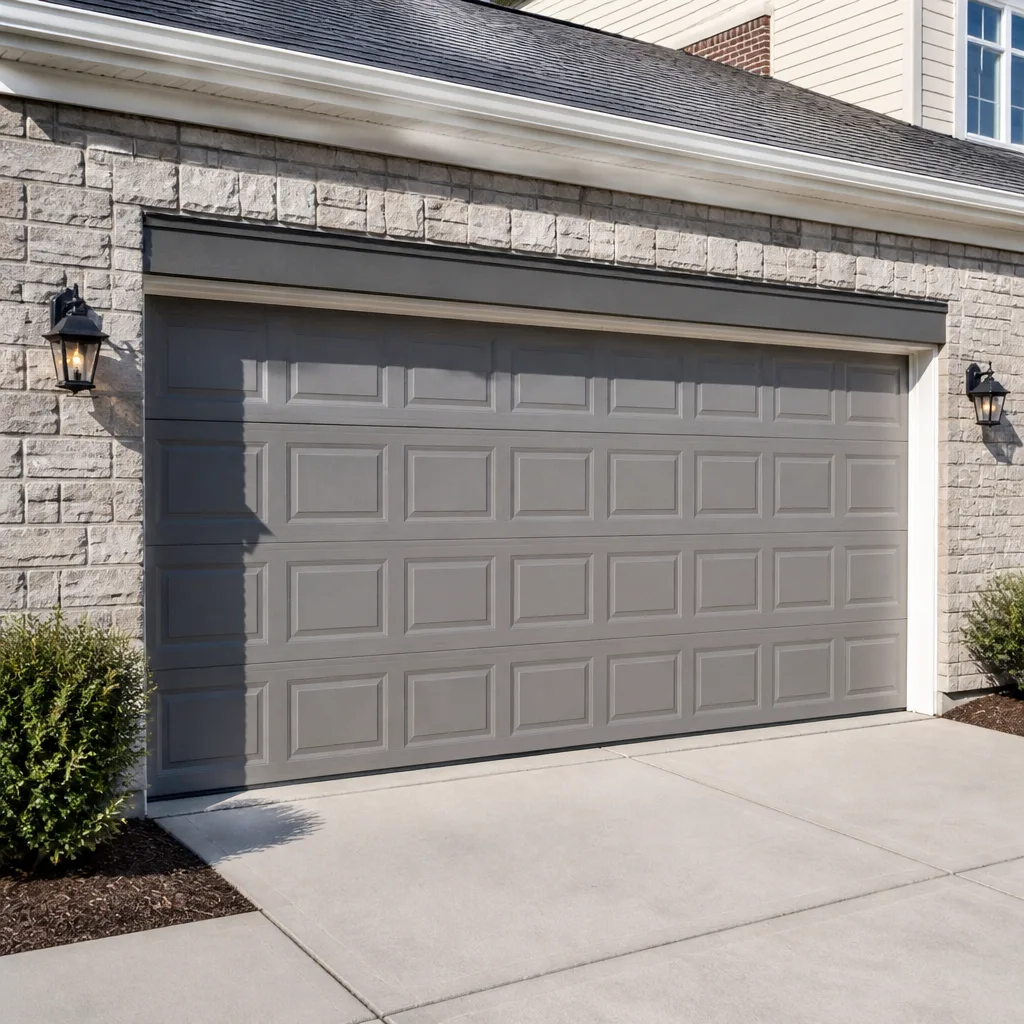 Raised-panel steel
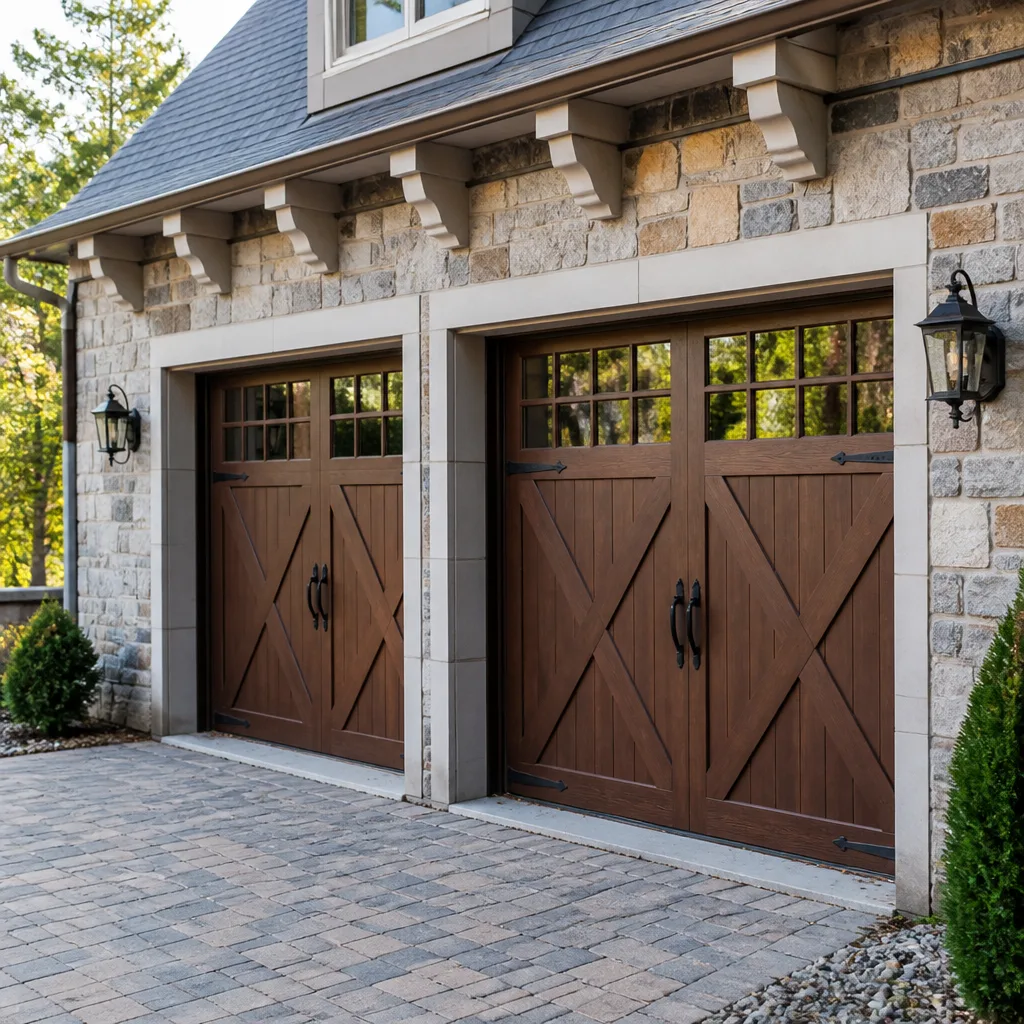 Carriage house
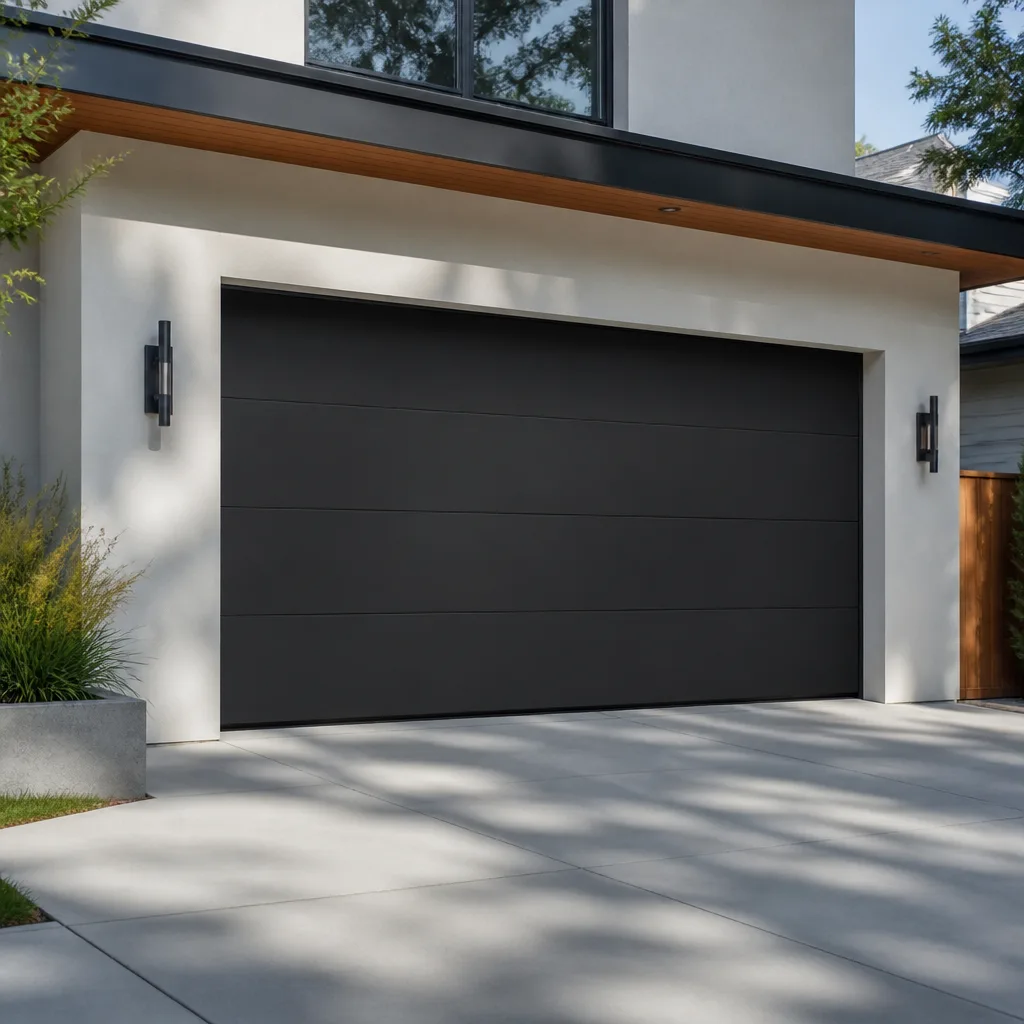 Modern flush
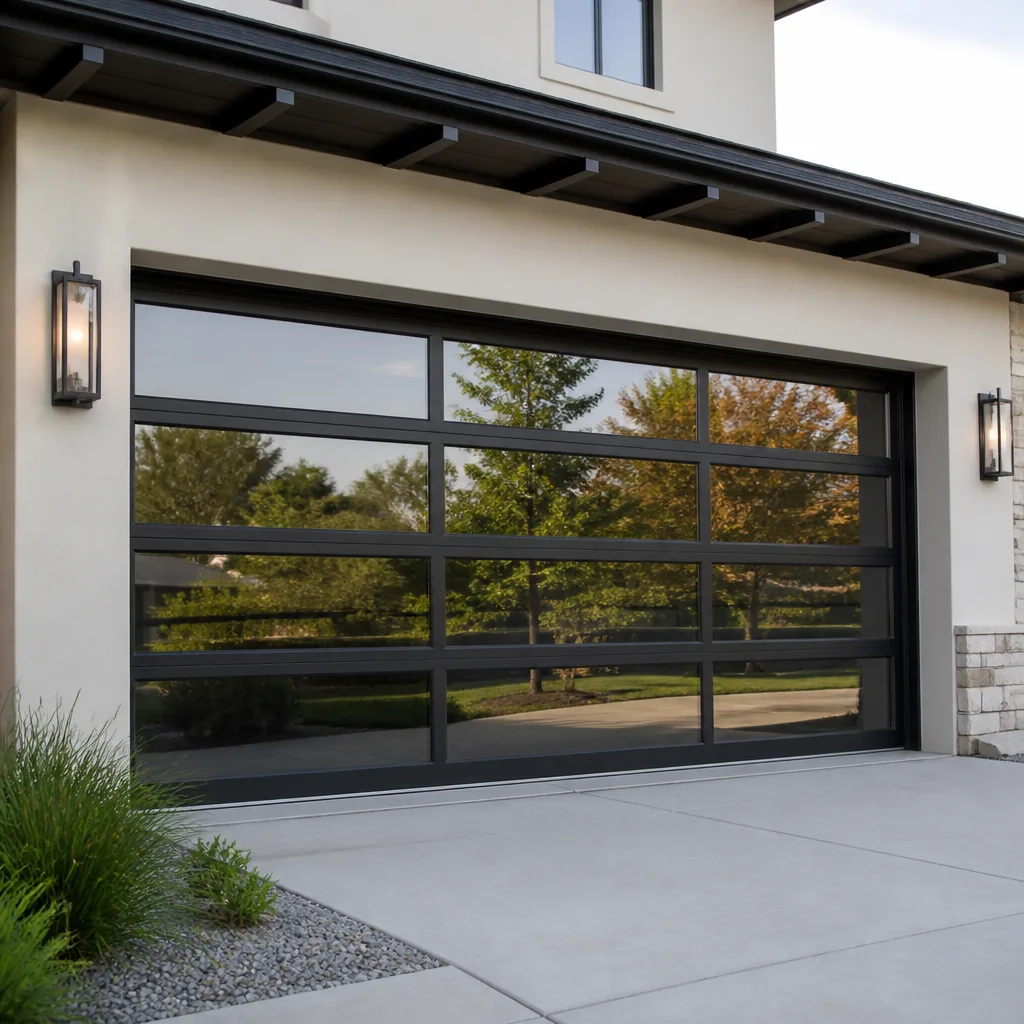 Full-view glass
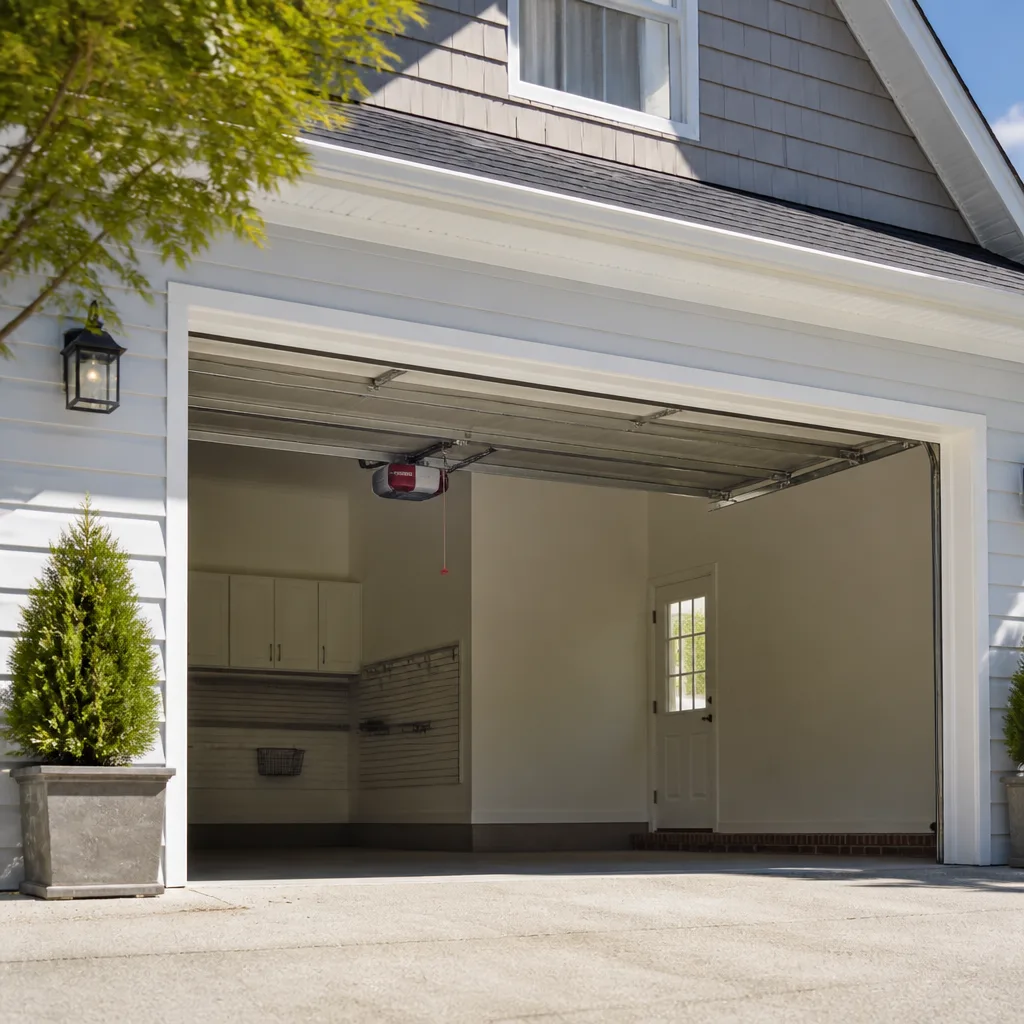 LiftMaster openers
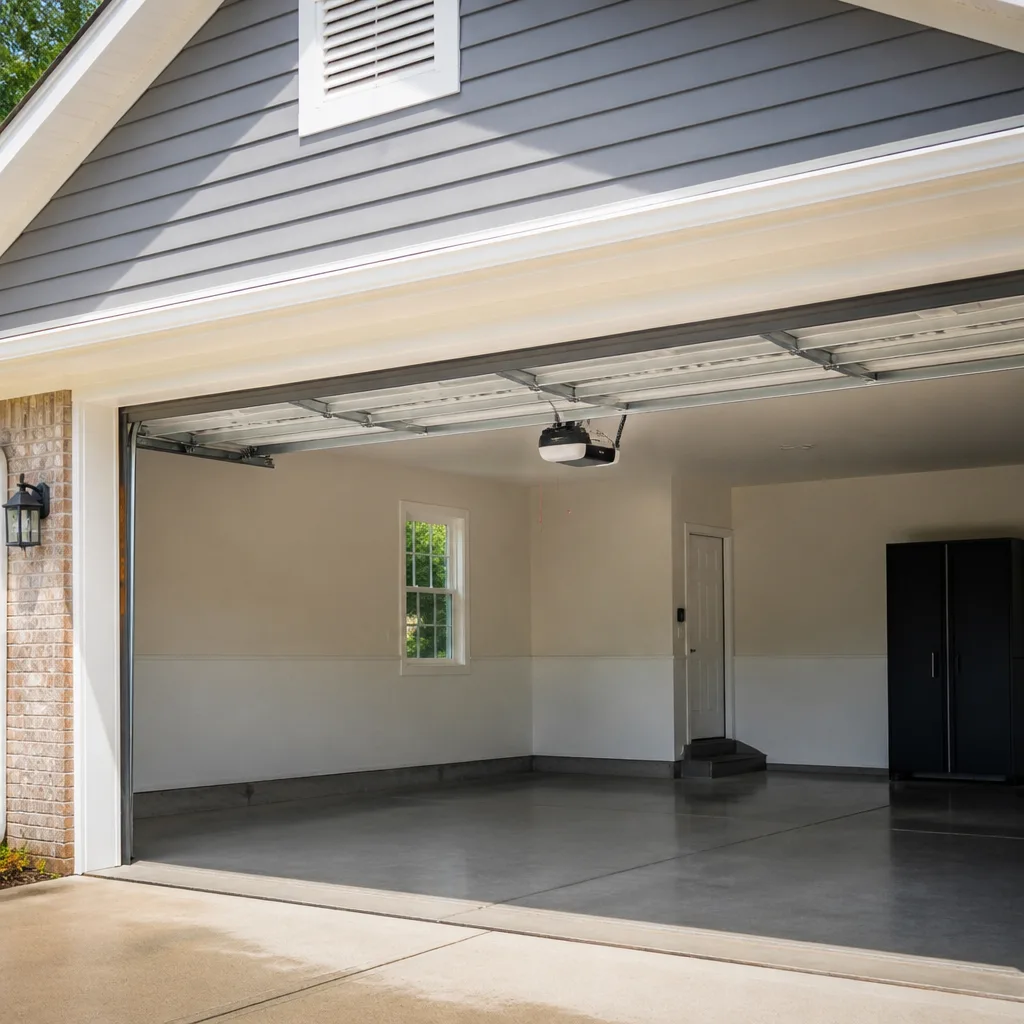 Chamberlain openers
Full 25-point door and opener safety check with every visit - springs, cables, rollers, tracks, and your LiftMaster or Chamberlain opener included
You get a price before we start. It does not change when the truck arrives.
Get your free estimateGarage Door Warning Signs: A Sunrise Manor Homeowner’s Reference Guide
Most warning-sign guides tell you a door that reverses before closing means a bad safety sensor. Sometimes that’s true. In Sunrise Manor’s heat, though, a reversing door is just as often a torsion spring that has lost tension through thermal fatigue and is now tripping the opener’s resistance threshold. Chasing the sensor when the spring is the problem wastes a service call and leaves the actual fix untouched. That’s the trouble with symptom lists: they tell you what you’re seeing, not which part is failing or how fast you need to act. This guide works backward from the failure to the component, with attention to the heat and housing that define Sunrise Manor, so you can tell a cosmetic annoyance from a real safety issue and know when a repair can wait a month or two.
Quick Answer
The warning signs that matter most are a door that reverses before closing, a door that moves slowly or unevenly, grinding or snapping noises, a sagging top panel, and any door that won’t stay up on its own. Heat makes several of these more likely in Sunrise Manor, where thermal cycling stresses springs, tracks, and opener motors. Signs like a broken torsion spring, a frayed cable, or a door that drops are same-day safety issues; cosmetic scuffs, a noisy roller, or a slow sensor can usually be scheduled within 30 to 60 days.
Styles & brands we work with
- Raised-panel steel
- Carriage house
- Modern flush
- Full-view glass
- LiftMaster openers
- Chamberlain openers
Table of Contents
- The Symptom-to-Component Matrix
- Heat-Specific Warning Signs You Won’t Find in National Guides
- Cosmetic vs. Structural Panel Damage
- Same-Day Danger vs. Scheduled Repair
- Opener Error Codes and What They Actually Mean
- What You Can Safely Check Yourself
- Common Mistakes to Avoid
- When to Call a Professional
The Symptom-to-Component Matrix
A warning sign is an output. The component is the cause. Read the door’s behavior as a diagnostic clue rather than a problem to fix in place, and you’ll get much closer to what actually needs attention.
- Door reverses before closing: Safety sensor misalignment, an obstruction in the sensor beam, or a torsion spring that has lost tension and is forcing the opener past its resistance limit. In heat-stressed doors, the spring is the more common culprit than homeowners expect.
- Door moves slowly or feels sluggish: Usually a failing opener motor, a worn drive gear, or a door that’s out of balance and asking the motor to lift more weight than it should.
- Door rises unevenly (one side higher than the other): A stretched or broken lift cable on one side, or a broken spring on a two-spring system.
- Grinding or scraping noise: Worn rollers, dry hinges, or a track that has bent out of alignment against the door.
- Snapping or popping: Almost always a torsion spring in the act of breaking. Stop using the door.
- Sagging top panel or bowed door: Lost structural support, often after a spring has failed and the opener has been lifting the full weight of the door.
- Door won’t stay up when you lift it manually: Springs have lost tension or broken. This is a safety issue, not a nuisance.
Every one of these signs points to a component the technician needs to look at, not just a behavior to be smoothed over. An accurate diagnosis before any repair recommendation is the difference between fixing the door once and fixing it three times.
Heat-Specific Warning Signs You Won’t Find in National Guides
Most warning-sign content is written for a generic climate. Sunrise Manor isn’t generic. The desert heat and daily temperature swings here put stress on a garage door system in ways that coastal or mild-climate guides don’t address, and several of the warning signs locals see don’t appear in national content at all.
Panel oil-canning
Steel and aluminum panels expand in the afternoon sun and contract overnight. Over hundreds of cycles, that movement can cause a panel to “oil-can” – a soft, wavy distortion across the face of the panel that stays put even when the door is cool. Oil-canning is often cosmetic, but on a door near the end of its service life it can signal that the panel has lost its structural rigidity. If a panel flexes when you press it, have it looked at.
Track joint separation
Vertical and horizontal tracks meet at a bracket joint. Thermal expansion pushes on that joint, and over time the fasteners loosen or the bracket shifts. A door that rattles at the top of its travel or jumps slightly as it transitions from vertical to horizontal track is often showing early track joint separation. Left alone, this can cause the rollers to jump the track entirely.
Opener motor thermal-cycling
An opener running in a hot garage works harder than the same unit in a cool climate. If the motor shuts off mid-cycle and won’t respond for several minutes, that’s the motor’s thermal protection kicking in. It’s a sign the motor is overheating, which points to a failing unit, an out-of-balance door, or a garage that needs better ventilation. Repeated thermal cycling shortens the life of the opener and should be diagnosed, not ignored.
If you notice any of these three heat-specific signs, it’s worth having the whole system looked at rather than waiting for a failure. We handle garage door repair across Sunrise Manor and know exactly what the local climate does to these systems.
Cosmetic vs. Structural Panel Damage
Not every dent or split matters. Some do. The distinction comes down to whether the damage has compromised the panel’s ability to hold its shape and carry its share of the door’s weight.
Cosmetic damage is surface-level: a shallow dent in a steel panel, a scuff, a spot of paint failure, or a small crease that doesn’t change the panel’s flatness. It’s a looks issue. It doesn’t affect how the door operates, and it can be addressed whenever it bothers you.
Structural damage is anything that changes the panel’s shape or its connection to the rest of the door. Signs include:
- Panel oil-canning that flexes under light hand pressure
- A dent deep enough to deform the panel’s edge where it interlocks with the next section
- Splits at the hinge stile or where the panel meets the vertical track
- A panel that has separated from a hinge point or shifted out of vertical
- A door that no longer sits flush across its bottom edge when closed
Structural panel damage on a steel door in Sunrise Manor is often the end result of a thermal expansion problem that went unaddressed – the door flexed one too many times and a panel finally gave. Replacement is usually the fix once a panel has lost its shape, because a bent panel puts extra strain on the rollers, hinges, and opener. We service doors from Clopay, Amarr, Wayne Dalton, Raynor, and other major brands, so we can tell you honestly whether a panel needs replacing or can be left alone.
Same-Day Danger vs. Scheduled Repair
Homeowners tend to treat every garage door problem as urgent. Not every problem is. Some warning signs mean the door should not be used until it’s fixed. Others mean the door works fine but needs attention within the next month or two.
Same-day danger – stop using the door and call now:
- A torsion spring has broken. You’ll hear a loud snap, and the door will be extremely heavy to lift. The door can drop on its own if the opener fails.
- A lift cable is frayed or has come off a drum. A broken cable can whip and cause serious injury.
- The door has come off one or both tracks.
- The door is hanging open or partially open and won’t close.
- A panel has separated or the door has visibly sagged.
Scheduled repair – the door is safe to operate for now:
- Slow movement or a sluggish opener
- Grinding or squealing from rollers or hinges
- A single sensor that’s out of alignment
- Cosmetic panel dents or scuffs
- A remote that works intermittently
- A minor track rattle that isn’t affecting travel
Springs, cables, and track work are the parts of a garage door that can kill or seriously injure someone. Don’t try to lift or hold a door with a broken spring, and don’t attempt to wind or unwind a torsion spring on your own. That’s a trained technician’s job, and it’s not worth the risk. For the rest, a scheduled visit within 30 to 60 days is usually fine. We answer 24/7, so call (877) 359-8085 when a door has failed.
Opener Error Codes and What They Actually Mean
Modern openers from LiftMaster, Chamberlain, and Genie flash error codes on the motor head or the wall control when something goes wrong. The code is the opener telling you which safety parameter it tripped – not the cause of the problem. The mechanical condition behind the code is what needs diagnosing.
The most common codes and what they usually flag:
- Repeated blinking on the motor head with the door reversing: Safety sensor circuit fault. Either the sensors are misaligned, the beam is blocked, or a wiring fault has interrupted the signal. Once the sensors are ruled out, check whether the opener is straining to close the door – a thermal-fatigued spring will trip the same code.
- Wall control flashing a specific number of pulses: A diagnostic code the opener uses to report a travel limit or force limit issue. Travel limit codes often mean the door’s up or down travel has drifted, which happens when a door is out of balance. Force limit codes usually mean the door is putting more resistance on the motor than it should.
- Opener runs briefly, then stops: The force sensor has detected too much resistance. This is the single code most often mistaken for a sensor problem when the door’s springs are actually the issue.
- Opener won’t respond to remotes but works from the wall control: A remote pairing or battery issue, or a radio interference problem. Rarely a mechanical fault.
- Motor cuts out and won’t restart for several minutes: Thermal overload. The motor is overheating – common in Sunrise Manor garages, but still a sign the opener needs service.
When you call, tell us the brand and model and what code you’re seeing. We work on LiftMaster and Chamberlain openers – along with the other major brands – and we handle garage door opener repair as its own discipline with its own diagnostic process. The repair needs to fix the code and the mechanical condition behind it. Not just reset the opener and hope.
What You Can Safely Check Yourself
There are a few things a homeowner can check safely. None of them involve tools on the moving parts of the door, and none of them involve the springs or cables.
- Look at the sensors. The small eye at each side of the door opening should be clean, pointed at each other, and lit. If one is dark, the sensor is either misaligned or not receiving power.
- Listen. Stand in the garage and listen to the door through one full cycle. Note any grinding, scraping, popping, or clicking. Write down where in the cycle it happens.
- Watch the door’s travel. Does it move smoothly, or does it hesitate? Does one side move faster than the other? Does it reverse before reaching the floor?
- Check the balance. With the opener disconnected (use the manual release), lift the door about halfway by hand. If it stays in place, the balance is roughly right. If it feels heavy or drops, stop and call a technician.
- Look at the panels. With the door closed, check the panels for visible bowing, separation, or flexing. Don’t press hard.
- Look at the tracks. Are the vertical and horizontal rails tight against their brackets? Any gap or rattling at the joint is worth mentioning to the technician.
Beyond these checks, leave the door alone. A garage door system is under constant spring tension, and the springs, cables, and torsion tube are dangerous to work on without training and proper tools. We’d rather you call us at (877) 359-8085 for a free estimate than put your hands anywhere near those parts.
Common Mistakes to Avoid
- Assuming every reversal is a sensor. In Sunrise Manor’s heat, a reversing door is frequently a torsion spring that has lost tension. If you’ve cleaned and realigned the sensors and the door still reverses, stop chasing the sensor and get the springs checked.
- Lubricating a broken spring. Lubricant won’t restore a broken or overwound torsion spring, and it won’t help a stretched lift cable. Lubrication is maintenance, not a fix, and spraying a part under tension can put you in a dangerous spot.
- Replacing the opener to fix a door problem. A sluggish door is usually a door problem – rollers, tracks, or springs – not an opener problem. Replacing the opener before diagnosing the door just costs more and leaves the real issue in place.
- Ignoring thermal-cycling behavior. An opener that shuts off mid-cycle in the afternoon heat is telling you something. Let it cool, then call a technician before it fails completely.
- Treating every panel dent as cosmetic. A shallow dent is cosmetic. A panel that flexes when you press it or has separated from a hinge point is structural. In Sunrise Manor, the difference is often thermal expansion cycles, not impact.
- Operating a door with a broken spring to get the car out. The opener will lift the full weight of the door, and the door can drop when the opener disengages. If the spring is broken, leave the door down and call a technician.
- Forgetting the door is one system. A door, a spring, a set of tracks, and an opener all work together. Fixing one piece while ignoring the others is how a repair turns into a full replacement inside two years.
When to Call a Professional
Call a professional immediately for anything on the same-day danger list: a broken spring, a frayed or off-track cable, a door that has come off its tracks, or a door that won’t close and leaves your home open. Those are safety issues, and a garage door with a broken spring or cable can hurt someone in the space of a second. For non-urgent signs – slow operation, noise, a sluggish opener, a cosmetic dent – schedule a visit within the next 30 to 60 days. Accuracy matters more than speed with these signs, and a proper diagnostic visit will save you both money and a repeat problem.
Olympus Garage Door Service offers free estimates in Sunrise Manor. Call (877) 359-8085. We answer 24/7. Fast dispatch from 7am to 7pm, Sunday through Friday, and our technicians work on all eight major residential brands, from LiftMaster and Chamberlain openers to Clopay and Amarr doors.
See the difference
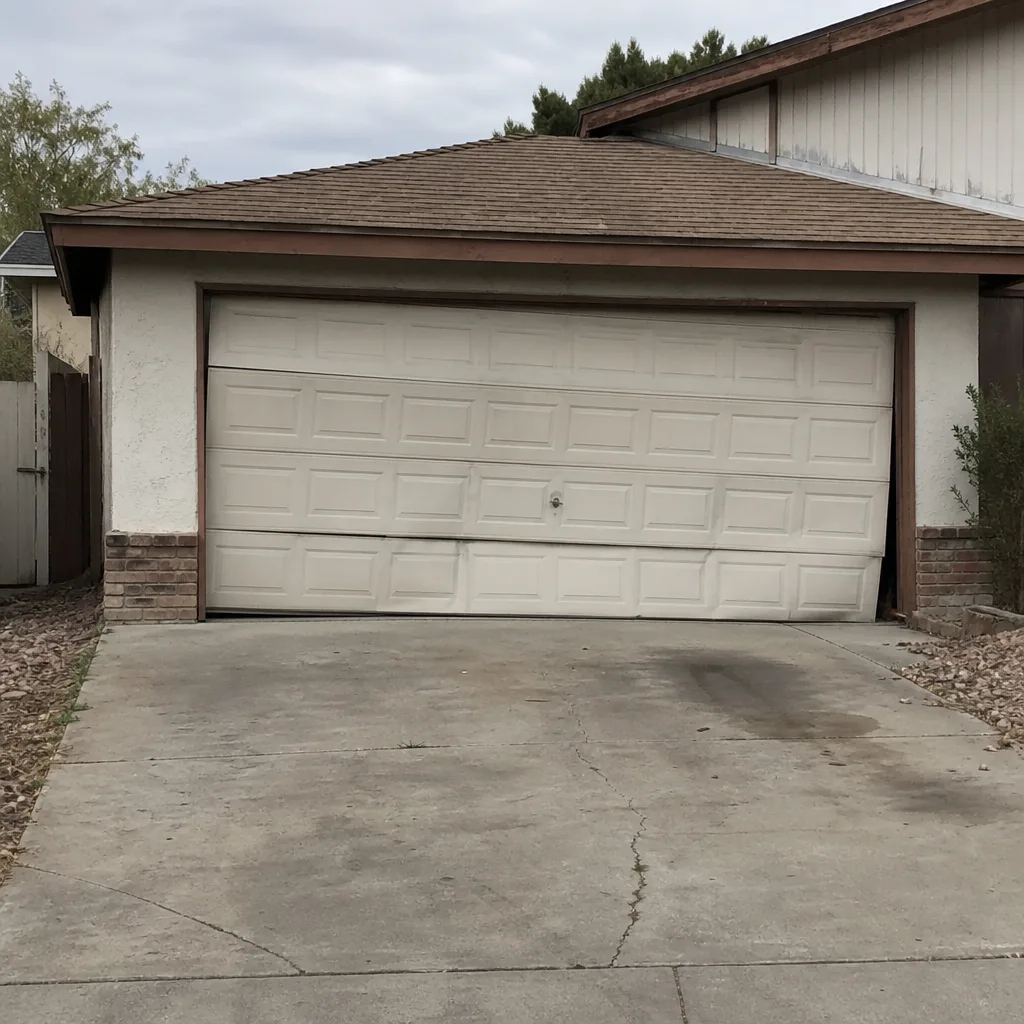 Before
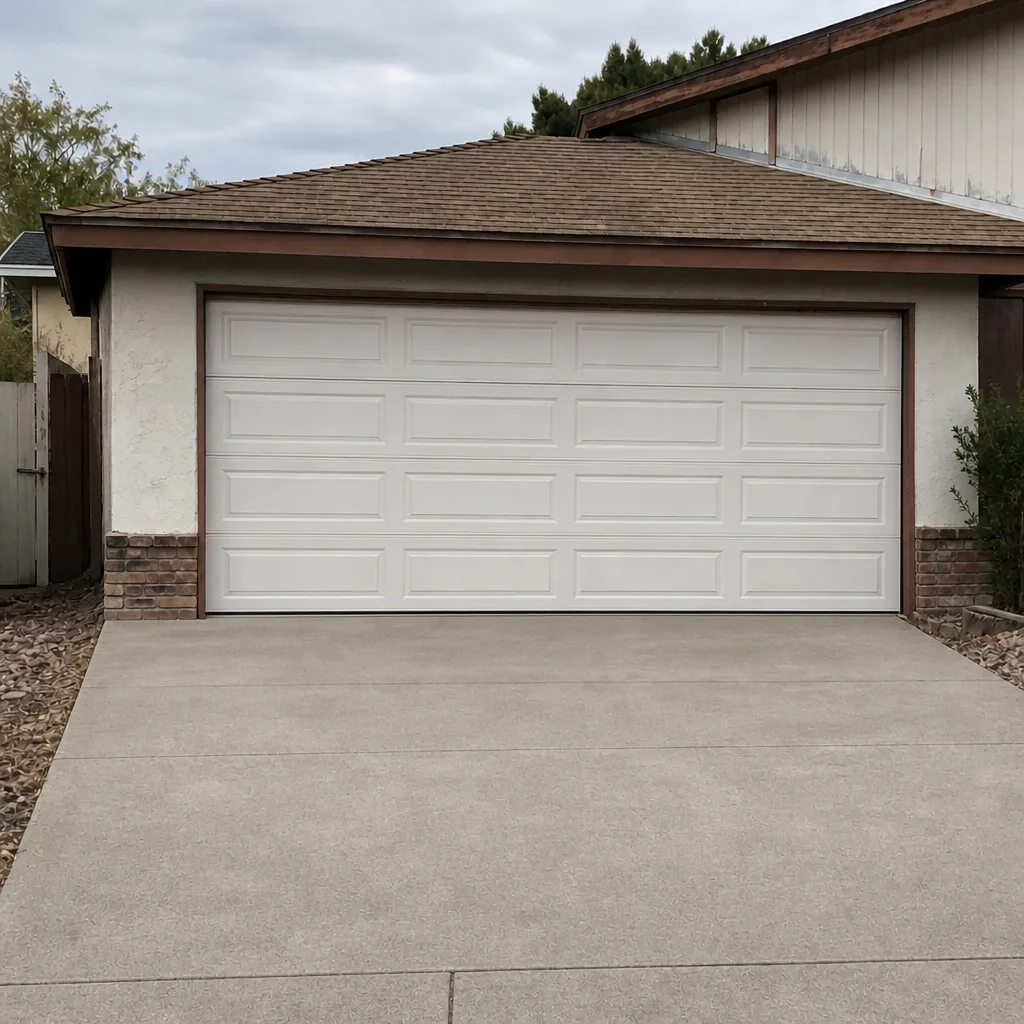 After
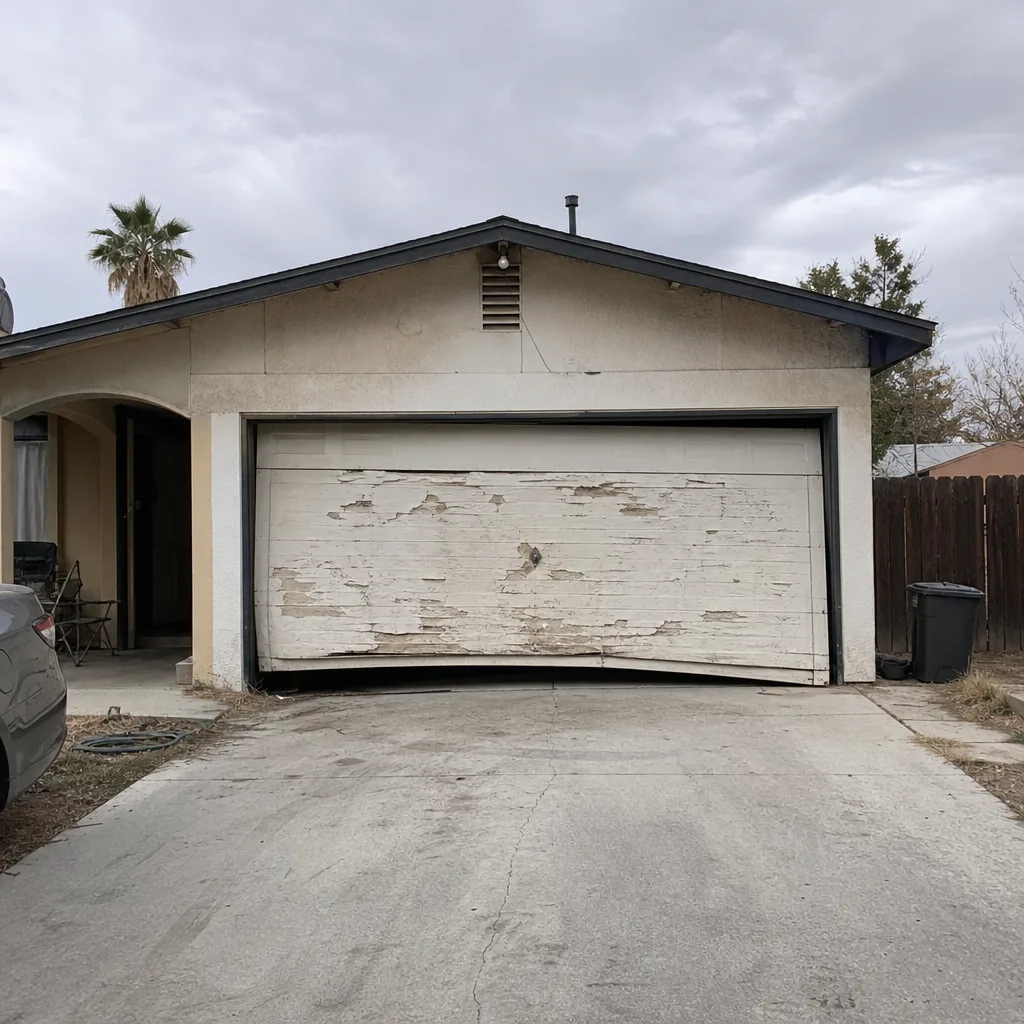 Before
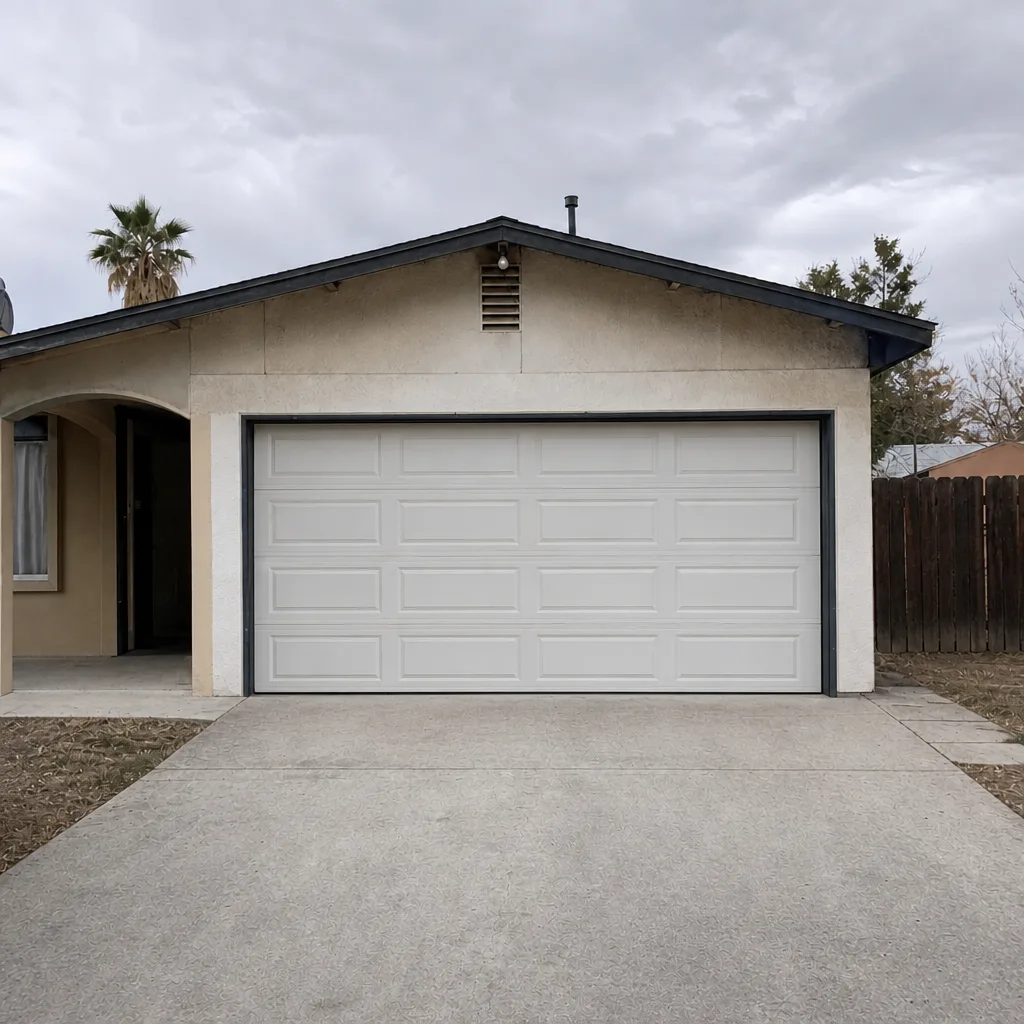 After
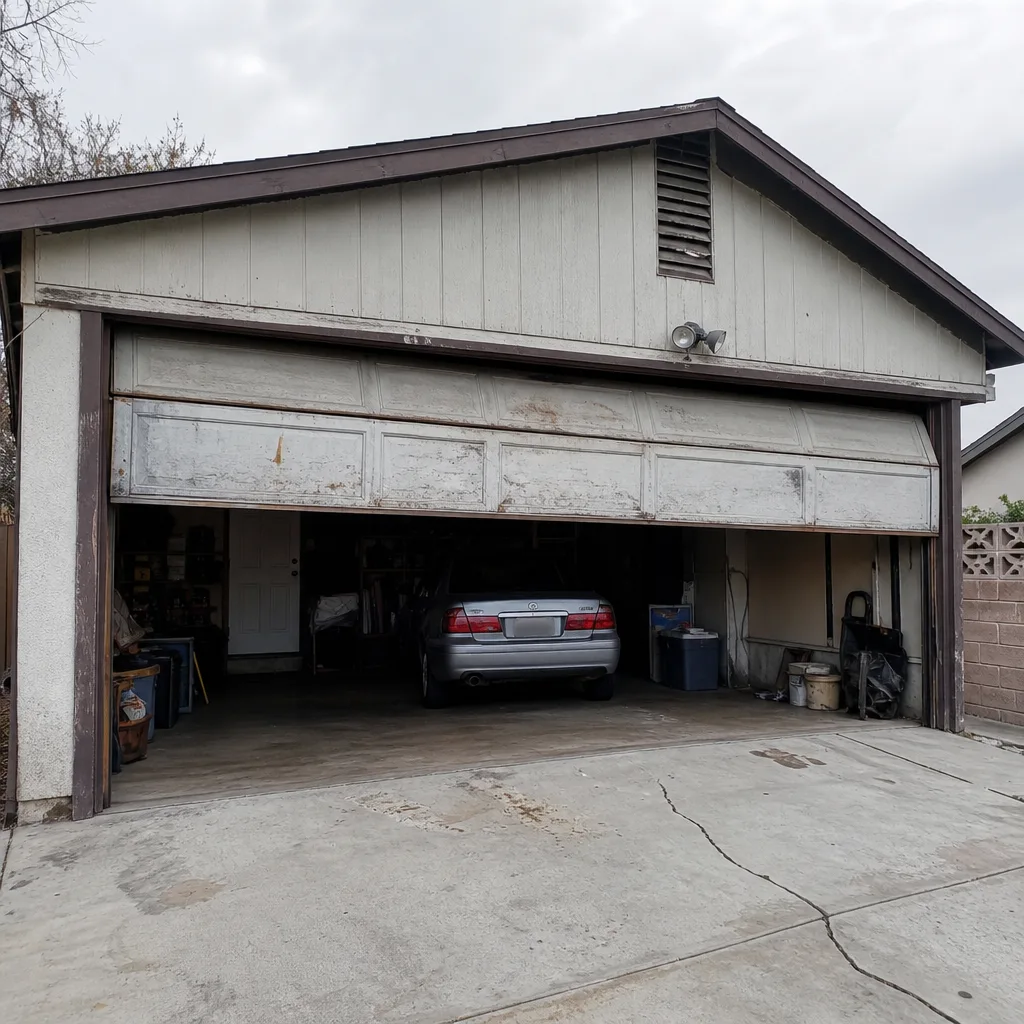 Before
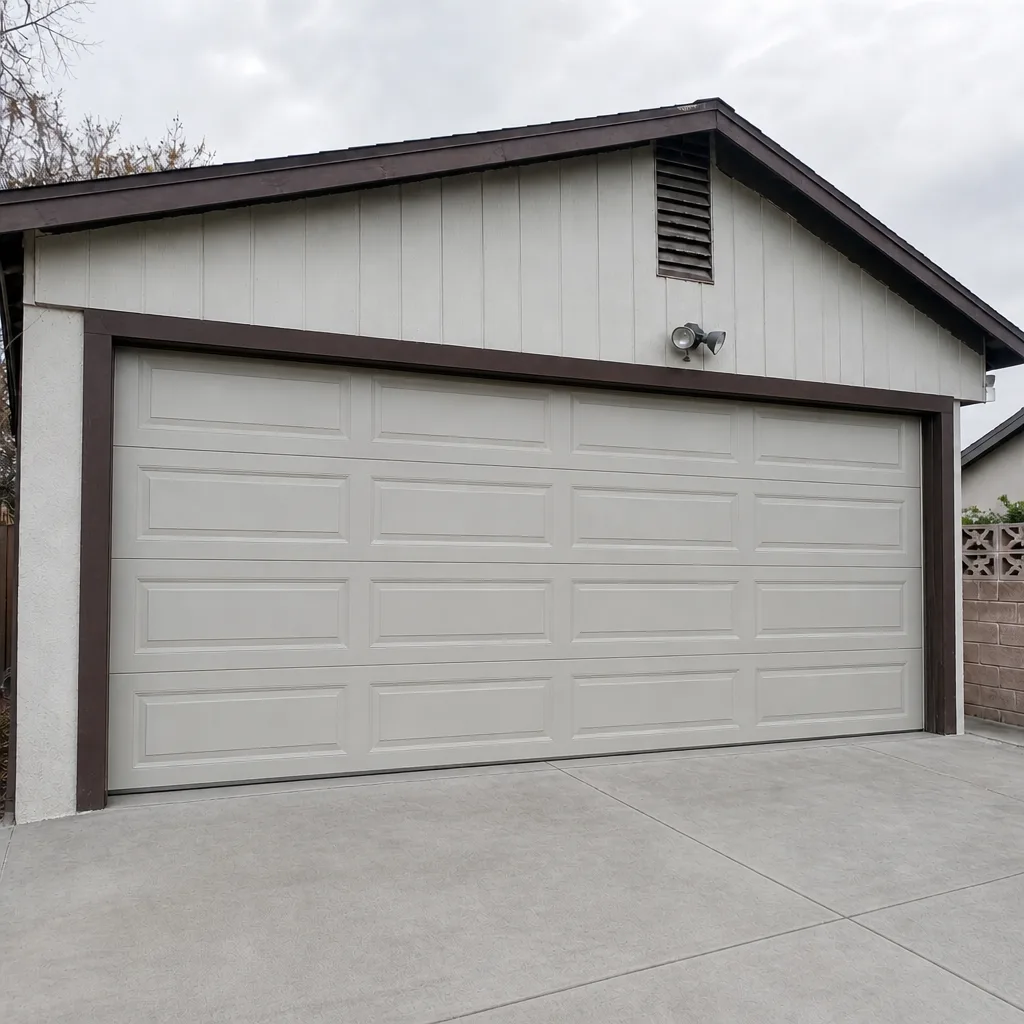 After
Frequently Asked Questions
The most common warning signs Sunrise Manor homeowners call about are a door that reverses before closing, slow or uneven movement, grinding or squealing from the rollers and hinges, and a door that won’t stay up when lifted by hand. Heat-driven signs like panel oil-canning, track joint separation, and opener thermal-cycling are also common here and often show up before the door actually fails. Call (877) 359-8085 for a free estimate if you notice any of them.
No. A reversing door can mean the safety sensors are misaligned or blocked, but it can also mean the torsion springs have lost tension and are tripping the opener’s resistance limit. In a hot climate like Sunrise Manor’s, the spring is a more common cause than people expect. If cleaning and realigning the sensors doesn’t fix it, have a technician look at the springs. Call (877) 359-8085 for a free estimate.
No. A torsion spring is under extreme tension, and winding or unwinding one without the right tools and training can cause serious injury. It’s one of the most dangerous parts of a garage door system. Leave a broken spring, a frayed cable, or a door that’s come off track to a trained technician. Call (877) 359-8085 and we’ll send one out.
Cosmetic dents are shallow surface damage that don’t change the panel’s shape. Structural damage changes the panel’s flatness or its connection to the door – a panel that flexes when pressed, splits at the hinge stile, or has separated from a hinge point is structural. Structural panel damage usually needs replacement. We work on Clopay, Amarr, Wayne Dalton, Raynor, and other major brands, and we’ll tell you plainly which you’re looking at. Call (877) 359-8085 for a free estimate.
Your opener is likely thermal-cycling, which means its motor is overheating and the built-in protection is shutting it down until it cools. In Sunrise Manor, this is common when a motor works harder than it should because the door is out of balance or the springs are tired. Repeated thermal cycling shortens the opener’s life and should be diagnosed, not ignored. We work on LiftMaster, Chamberlain, and Genie openers, and we handle opener repair as its own specialty. Call (877) 359-8085 for a free estimate.
For warning signs that aren’t safety issues – slow movement, noise, a sluggish opener, a cosmetic dent, a sensor that’s out of alignment – a scheduled visit within 30 to 60 days is usually fine. Anything on the same-day danger list (broken spring, frayed cable, door off track, door won’t close) should be treated as urgent. When in doubt, call (877) 359-8085 and describe what you’re seeing and we’ll help you place it.
The Bottom Line
Warning signs are clues, not diagnoses. The reversing door is a clue that points to a sensor or a spring. The grinding noise is a clue that points to rollers or tracks. The opener that shuts off mid-cycle is a clue that points to a thermal or balance problem. In Sunrise Manor, the heat adds a set of specific failure modes – thermal-fatigued springs, oil-canned panels, separated tracks, and overheated openers – that a national warning-sign list won’t mention. Read the sign, find the component, then decide how urgent it really is. And for anything involving a broken spring, a cable, or an off-track door, don’t touch it. That’s a same-day call.
Olympus Garage Door Service is a garage-door-only specialist. We repair doors, repair openers, and install new doors – and we work across eight of the most widely installed residential brands, including LiftMaster, Chamberlain, Genie, Clopay, Amarr, Wayne Dalton, Craftsman, and Raynor. We know these systems and we diagnose them accurately before recommending any repair. If you’re seeing something on this list and you want a straight answer, we’re here. Visit our Olympus Garage Door Service home page for our full range of service, or read more about our work in Sunrise Manor.
Call (877) 359-8085 for a free estimate. We answer 24/7. Fast dispatch from 7am to 7pm, Sunday through Friday. Your door, your brand, our expertise – and one call covers the door, the opener, and the installation.
Written by the team at Olympus Garage Door Service, serving Sunrise Manor since 2013.