
Last updated November 14, 2026
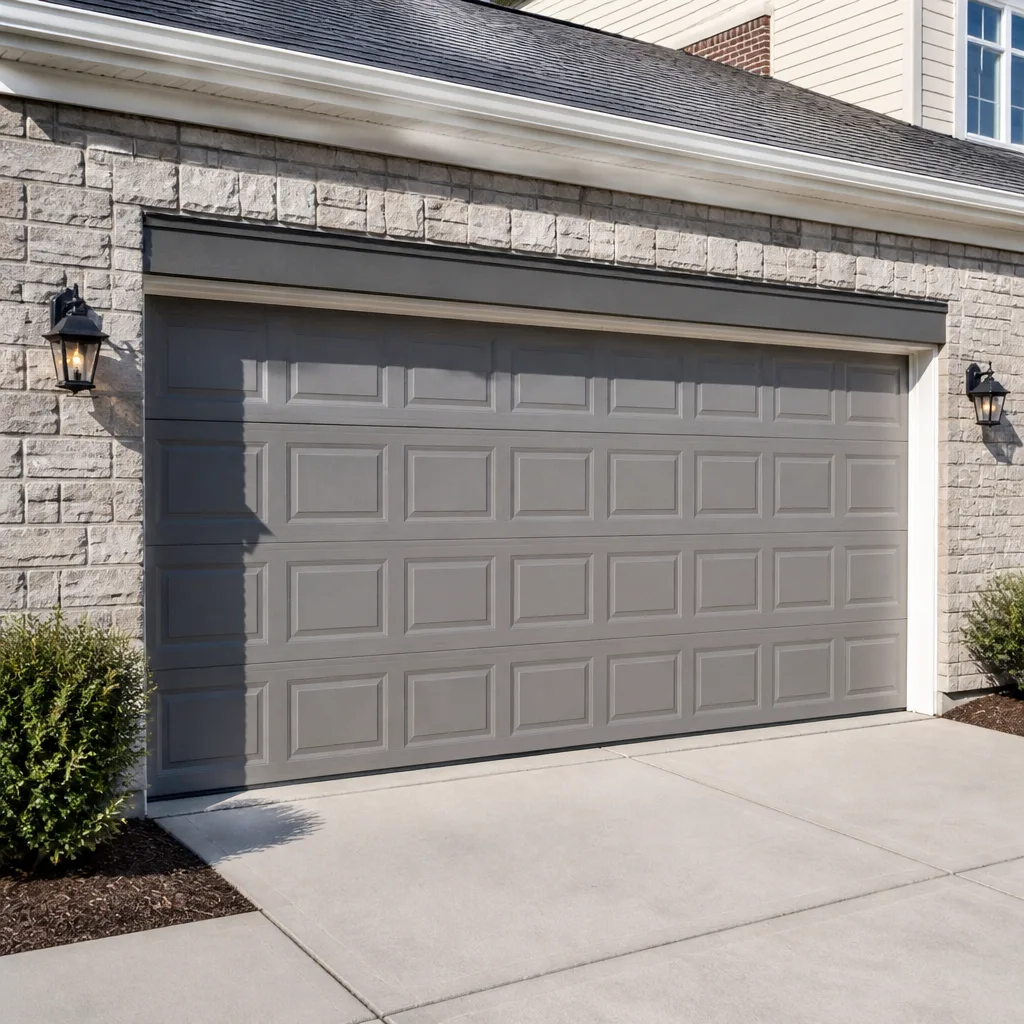 Raised-panel steel
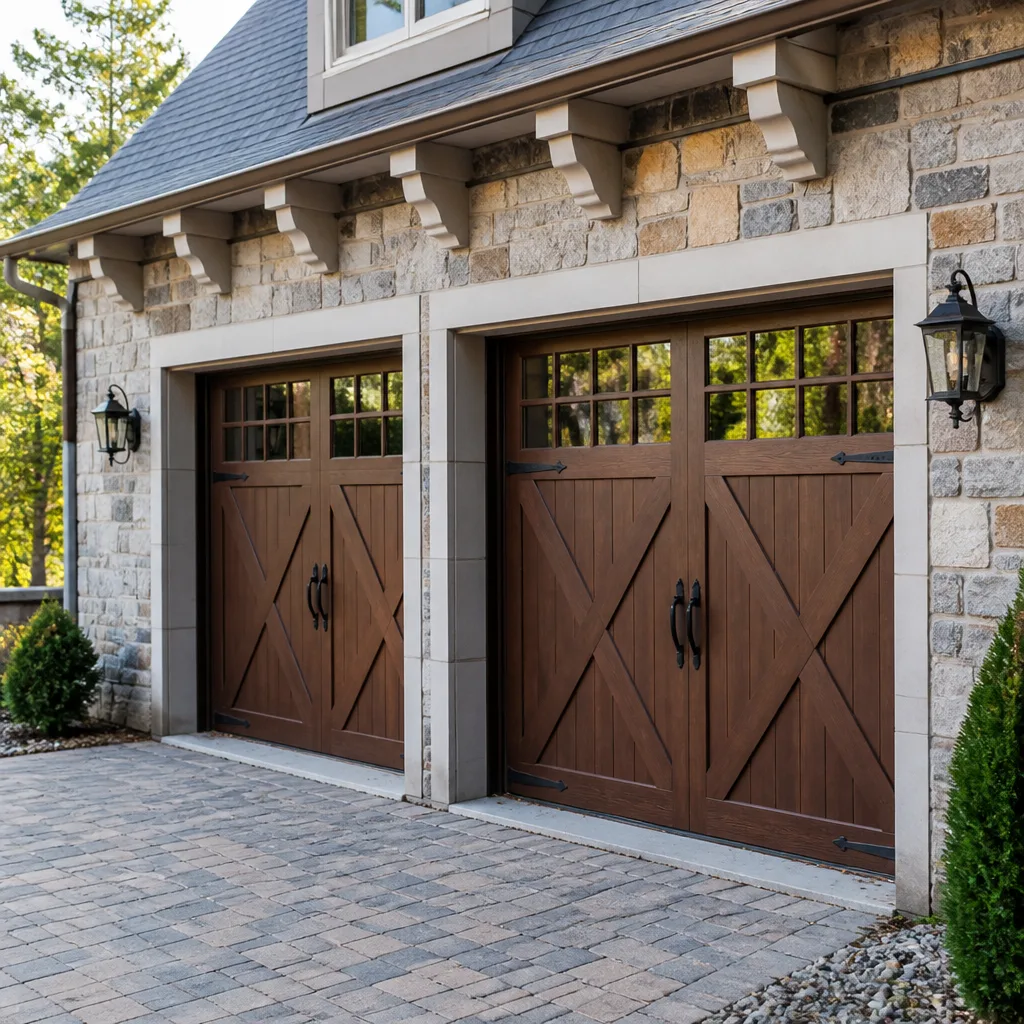 Carriage house
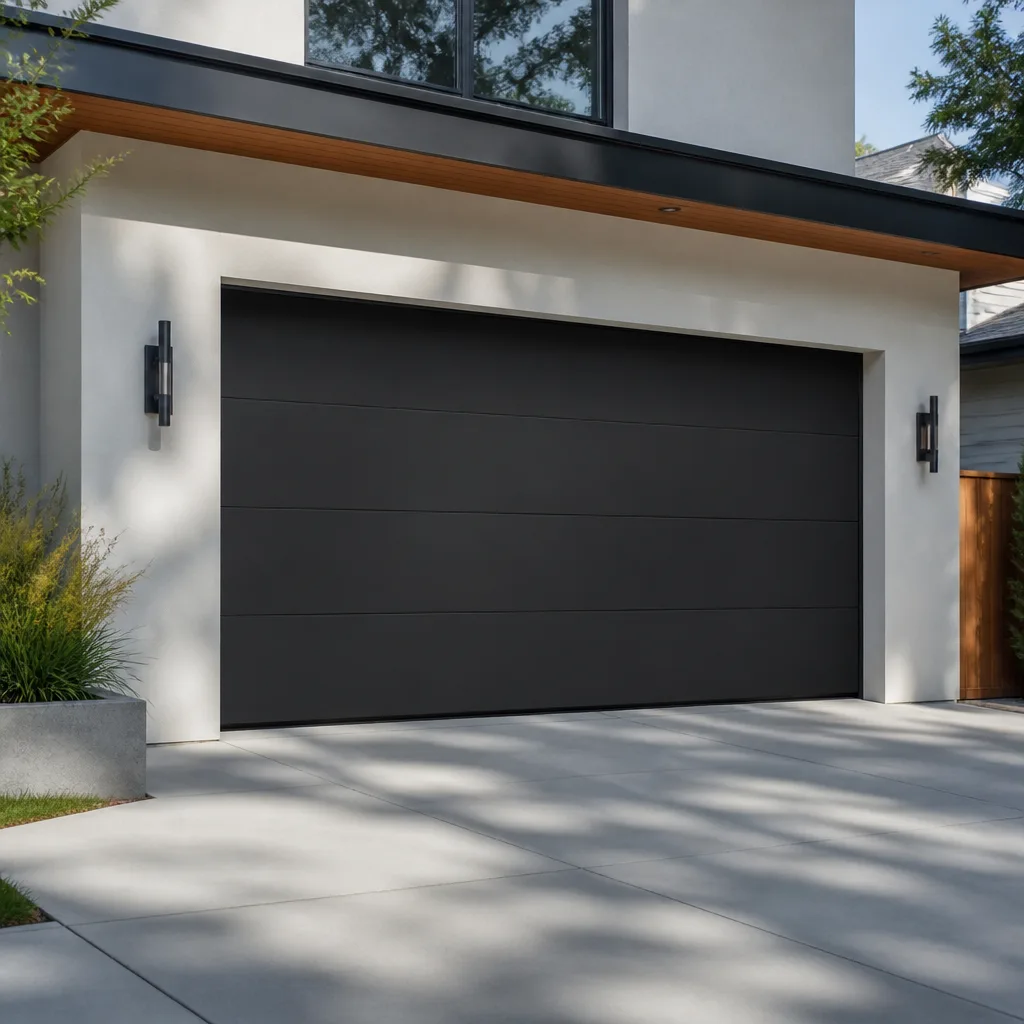 Modern flush
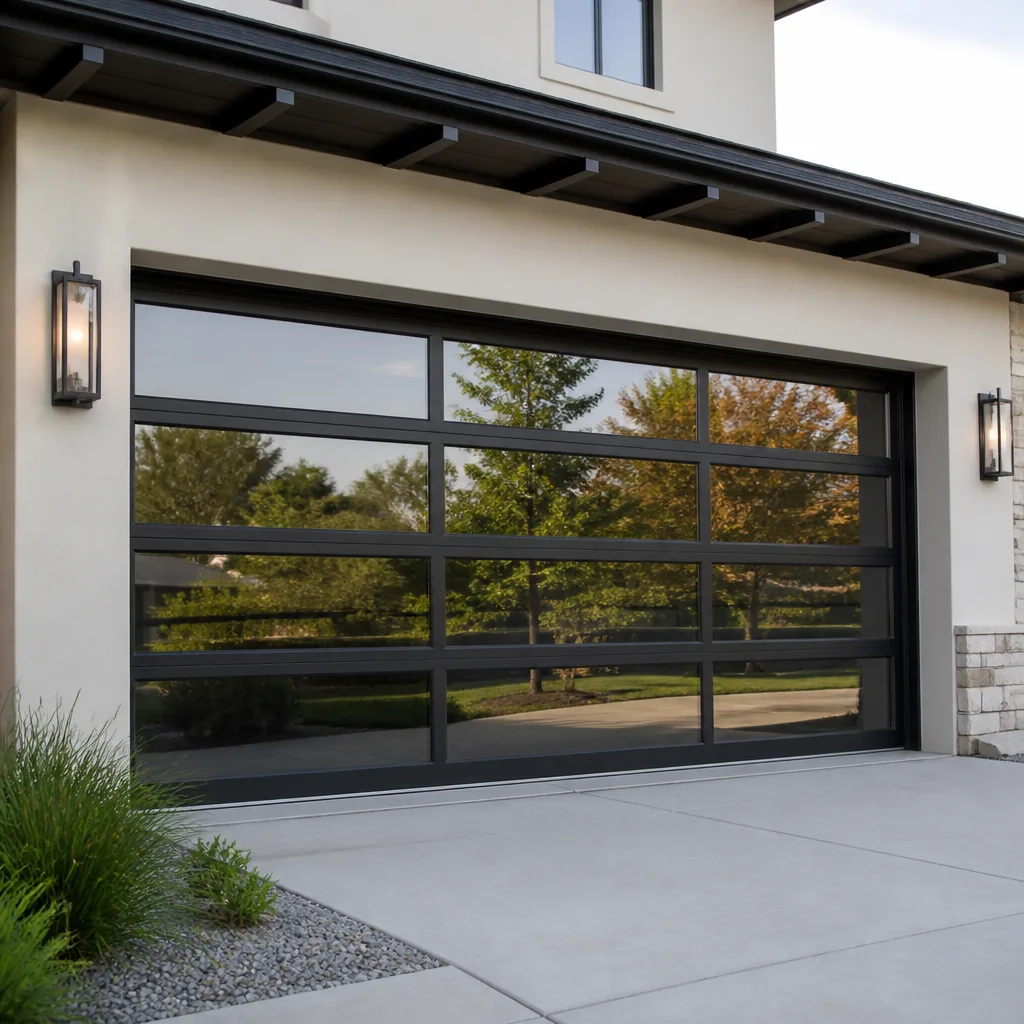 Full-view glass
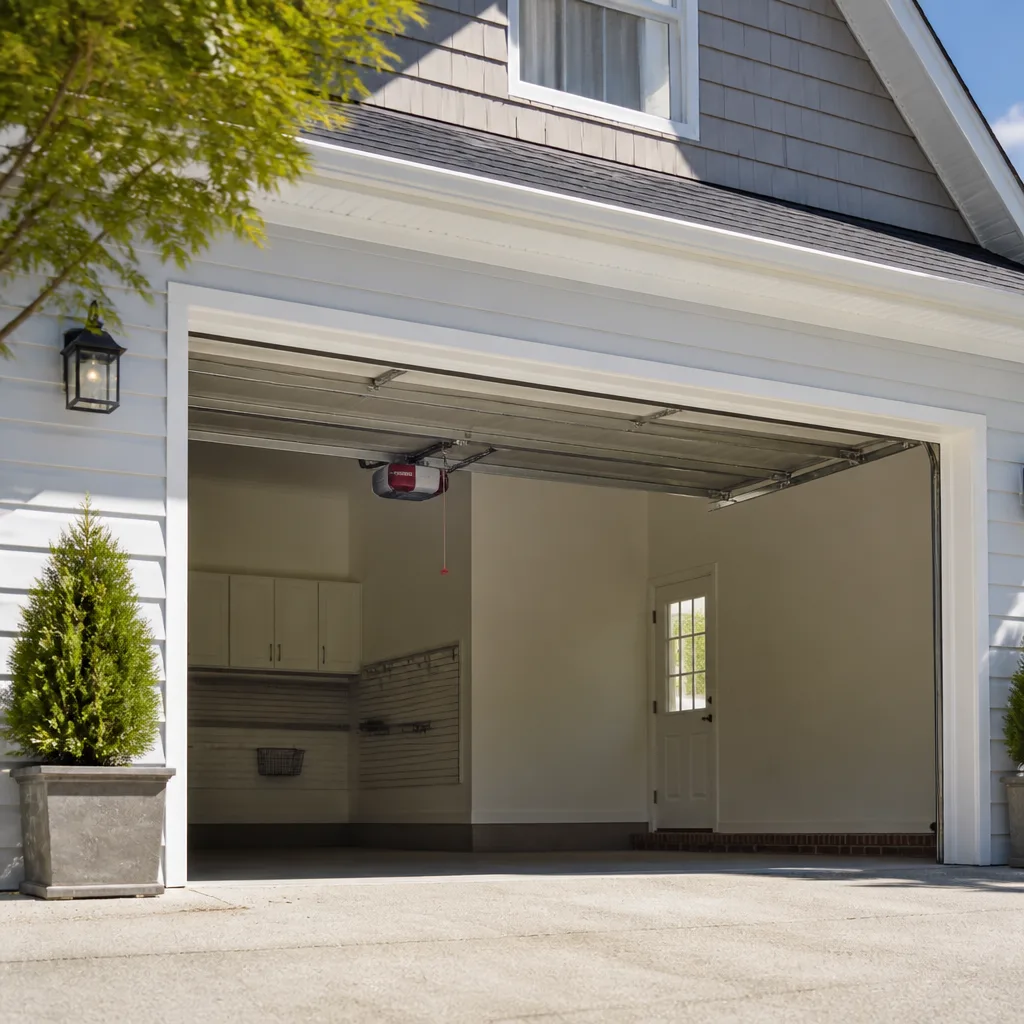 LiftMaster openers
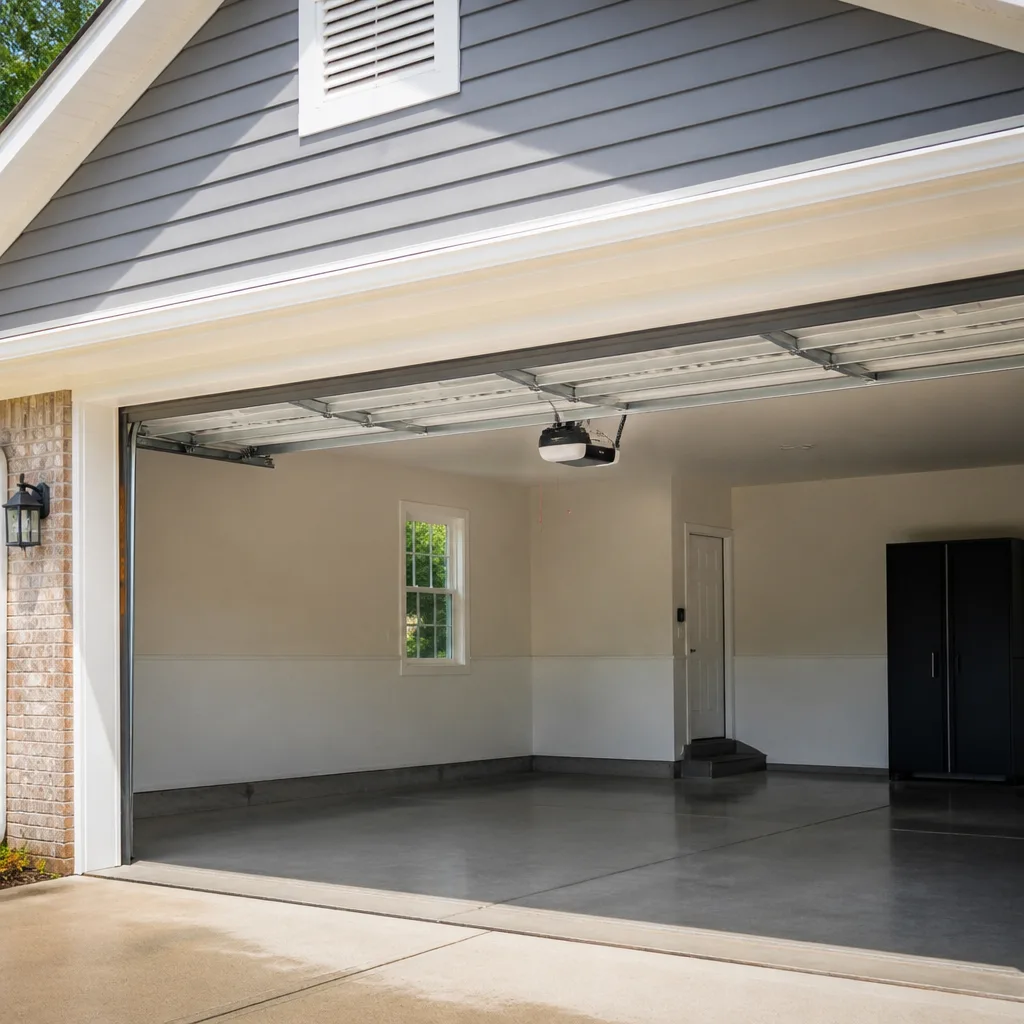 Chamberlain openers
Full 25-point door and opener safety check with every visit - springs, cables, rollers, tracks, and your LiftMaster or Chamberlain opener included
You get a price before we start. It does not change when the truck arrives.
Get your free estimateDIY vs Professional Garage Door: The Sunrise Manor Homeowner’s Decision Guide
Most DIY-versus-pro arguments about garage doors focus on skill. Can you follow the steps? Do you own the right tools? That framing misses what actually decides the question for a Sunrise Manor homeowner. The real dividing line is legal liability and warranty coverage. In a valley where the summer heat cycles a door hundreds of times a month and HOA boards inspect exteriors closely, the paperwork behind a repair can cost you more than the repair itself. A door that closes fine today can still leave you exposed if the work was done by the wrong hands. This guide walks through what Nevada law lets you do yourself, which manufacturer warranties survive a DIY install and which don’t, the three tasks where injuries cluster, and how to price each job so you can decide rationally instead of guessing.
Quick Answer
You can legally replace weatherstripping, bottom seals, rollers, and safety sensors on your own Sunrise Manor home, and you can program most openers yourself. But spring and cable work, header bracket installation, and full door replacement are jobs where a mistake voids manufacturer warranties and leaves you personally exposed if someone gets hurt. Professional installation in Sunrise Manor is priced per job, task by task, so you can compare the DIY savings against the real repair bill when a task goes wrong.
Styles & brands we work with
- Raised-panel steel
- Carriage house
- Modern flush
- Full-view glass
- LiftMaster openers
- Chamberlain openers
Table of Contents
- What Nevada Law Allows You to Do Yourself
- How Warranty Architecture Changes the Math
- The Three Tasks Where DIY Risk Concentrates
- Tasks That Are Genuinely Worth Doing Yourself
- What Professional Work Costs in Sunrise Manor, Task by Task
- A Go/No-Go Framework for Any Garage Door Task
- Why Sunrise Manor Heat Changes the Wear Pattern
What Nevada Law Allows You to Do Yourself in Sunrise Manor
Nevada homeowners have broad latitude to work on their own primary residence. You don’t need a contractor’s license to replace a bottom seal, swap a roller, or install a new wall button on the door of the house you live in. The state treats that as ordinary home maintenance, the same category as painting a fence.
What changes the picture is when the work is structural or regulated by building code. Garage door header brackets, torsion spring systems, and full door replacements touch the load path of the opening. Those fall under contractor licensing rules in most cases, and a licensed installer carries a C-3 specialty classification. If you’re ever unsure whether a specific task needs a permit, call your city’s building department and ask. They answer this question daily.
The practical consequence matters more than the legal chart. If a Sunrise Manor homeowner installs a door themselves and it later fails and injures a family member, neighbor, or delivery driver, their homeowner’s insurance carrier can point to unlicensed installation as grounds for denying the claim. That’s not a hypothetical about skill. It’s about how insurers read unpermitted structural work. The same door, installed by a licensed contractor, sits behind a policy that responds to the injury claim without an argument about who touched it last.
Our Sunrise Manor team sees this play out in HOA-governed neighborhoods where exterior modifications need board approval before work starts. Unapproved door work can trigger a violation notice even when the installation itself is solid.
Where the License Line Actually Falls
- No license needed: Weatherstripping, bottom seal, rollers, hinges, safety sensors, opener programming, remote pairing.
- Licensed specialty recommended: Torsion and extension spring replacement, cable and drum work, opener motor replacement, panel replacement.
- Licensed installation expected: Header bracket installation, full door replacement, track replacement, structural header work.
If you’re hiring out any of those tasks, an Olympus Garage Door Service technician arrives with the licensing and the parts knowledge to complete the work under an approved scope.
How Warranty Architecture Changes the Math
Manufacturer warranties on garage doors and openers are not uniform. Some honor coverage regardless of who installed the product, some require a licensed installer, and some require specific registration steps within a certain window after purchase. Knowing which category your door brand falls into is the single most useful piece of homework a Sunrise Manor homeowner can do before touching the door.
Take the major brands. Clopay and Amarr, two of the most common panel doors across Sunrise Manor subdivisions, typically publish limited warranties that require installation by a licensed contractor for structural coverage to apply. Wayne Dalton and Raynor have similar language on their higher-end models. On the opener side, LiftMaster and Chamberlain honor their motor warranties through authorized installation or registration, while Craftsman models sold through retail channels tend to carry consumer-level coverage that a homeowner can register directly, though the coverage terms tighten after unauthorized repairs.
Read your own paperwork, because brands change terms between product lines and model years. The pattern to look for:
- Does the warranty document name a licensed installer as a condition of coverage?
- Does it require registration within a set number of days after installation?
- Does it exclude damage from improper installation, adjustment, or repair?
- Does the labor warranty sit separately from the parts warranty?
That last one matters. A door brand may cover the panel for years and the labor for months. If a DIY spring job takes the opener motor out with it, that’s an improper repair excluded from the motor warranty, and you’re paying for the replacement motor out of pocket anyway. Our team at Olympus fields this all the time. We work on LiftMaster and Clopay, along with six other leading brands, and the warranty question usually decides whether a homeowner calls us or reaches for a wrench first.
The Three Tasks Where DIY Risk Concentrates
Every garage door injury story follows one of three patterns. Torsion spring failure, cable drum failure, and header bracket failure. All three involve stored mechanical energy or structural load, and none of them are “read the steps and try it” tasks.
1. Torsion Spring Replacement
The torsion spring above your door is holding hundreds of pounds of upward force while the door is closed. Winding bars are the only correct tool for releasing and re-tensioning that load, and the spring can release stored energy in an instant if a bar slips or the hook fails. The injury mechanism is a snapped spring, cable, or winding bar striking the face, hands, or head. It’s fast, and no amount of agility helps. Spring work is also the job where the manufacturer warranty and the liability question overlap, because a spring failure after incorrect installation can damage every component below it.
2. Cable and Drum Adjustment
The cable systems travel with the door under tension from the spring. When a cable jumps a drum, the door can drop or rotate unevenly. Attempting to reset a cable while the spring is even partially under tension is the second-fastest route to a serious hand or arm injury. Cable and drum work belongs with a trained technician who can inspect the spring and drum together.
3. Header Bracket Installation
The header bracket carries the top of the opener rail and is anchored into the framing above the door. If the bracket is bolted into drywall, masonry veneer, or a boxed-out header that doesn’t carry load, the whole opener assembly can pull free under operation. That’s a structural question, not a mechanical one. An installer needs to know what’s behind the wall.
We don’t walk homeowners through these three jobs. Your hands, your eyes, and your insurance policy are worth more than the labor savings. If you’re in Sunrise Manor and a spring has broken, don’t test the door. Call for a professional.
Tasks That Are Genuinely Worth Doing Yourself
Not every fix needs a technician. Several garage door tasks are simple, safe, and reasonable for a homeowner to handle, especially given how much of the work is inspection and adjustment rather than force. Here’s where DIY makes sense.
- Weatherstripping and bottom seal replacement: These wear out fast in Sunrise Manor’s heat. Most bottom seals slide out of a channel once the door is open and can be replaced with the same width material.
- Roller replacement: With the door fully open and the torsion system at rest, nylon or steel rollers swap out with basic hand tools. Worn rollers are a common source of grinding noise.
- Safety sensor cleaning and realignment: If the door reverses on close, check whether the sensors across the opening are lined up and free of dirt or cobwebs. This is the most common false trip.
- Opener remote programming: Most LiftMaster and Chamberlain remotes pair using a “learn” button on the motor housing. The manual walks you through it in two minutes.
- Lubrication: A light silicone-based spray on the hinges, rollers, and tracks keeps things quiet. Avoid heavy grease that collects dust.
These are the tasks where a homeowner saves the service-call cost without touching the spring, the cable, or the structural anchor points. Common sense applies. If a roller swap reveals a bent track or a snapped spring, stop and call a specialist for garage door repair before going further.
What Professional Work Costs in Sunrise Manor, Task by Task
Breaking the cost down by task is the only fair way to compare DIY against professional work. A single price for “garage door installation” tells you nothing about whether the job in front of you is worth hiring out. Below is how the work typically breaks down for a Sunrise Manor homeowner. Exact pricing depends on door size, material, model, and existing condition, and the written estimate sets the final price after a site visit.
- Bottom seal or weatherstripping replacement: Usually the smallest ticket on the board, priced per foot of door width.
- Roller or hinge replacement (full set): Moderate cost, mostly labor and a modest parts list.
- Safety sensor or wall button replacement: Minor electrical work, priced per component.
- Opener motor replacement (unit plus install): Mid-range, varying by belt versus chain drive and smart-home capability.
- Single torsion spring replacement: Mid-range job priced per spring.
- Matched spring pair replacement: Replacing both springs together is standard practice since they’re cycled the same number of times. A pair costs roughly twice the single-spring price.
- Cable and drum service: Priced per side, often paired with spring work.
- Panel replacement (single section): Varies substantially by brand and color match.
- Full door replacement (installed): The largest job, driven by door size, insulation, and brand. Clopay and Amarr panels typically price differently from Wayne Dalton and Raynor.
The economic comparison comes down to one question. Does the DIY savings exceed the cost of a professional repair when the job goes wrong? On a bottom seal, absolutely. On a spring, absolutely not.
Why a Written Estimate Before Work Starts Matters
Every job we take on is quoted first, then agreed, then started. That sequence isn’t a formality. It’s the difference between an informed decision and a mystery invoice. Whether the work is a spring replacement, a new opener, or a full installation, you’ll see the price in writing before any tool comes off the truck. And if you’re deciding between DIY and professional on a specific task, ask for the number first and compare.
A Go/No-Go Framework for Any Garage Door Task
Instead of a blanket recommendation, work the task through these steps. Give each a yes or no answer. Any no on the second through fourth questions is your signal to call a technician.
- Does the task involve the spring, the cables, or the header bracket? If yes, stop. That’s professional territory.
- Can the door be fully open with the torsion system at rest for the task? If no, stop.
- Does your warranty document name a licensed installer as a condition? If it does and the task affects covered components, hire out.
- Would a failure of this task injure someone or leave the door non-functional for a week? If yes, hire out.
- Is the part a wear item (seal, roller, sensor, remote battery) with a visible replacement method? If yes, DIY is fine.
- Does the task require moving or re-anchoring any structural element? If yes, hire out.
Run each task through that list once and you’ll see the pattern. The safe DIY list is short and the professional list handles everything with stored energy or structural load. If a task lands in professional territory and you want a free estimate in Sunrise Manor, we’ll come look and quote it in writing.
Why Sunrise Manor Heat Changes the Wear Pattern
The valley’s summer heat isn’t a footnote to garage door decisions. It’s a real driver of which components fail and when. Extended afternoon sun bakes the south- and west-facing doors across Sunrise Manor subdivisions, and that heat load is hard on the parts made of rubber, plastic, and lubricant.
Bottom seals dry and crack faster here than in cooler climates. Rollers wear out earlier because the tracks expand with heat and the clearances tighten. Torsion springs cycle through daily expansion and contraction that adds stress on top of normal use. What would be a five-year wear item in a mild climate can need replacement sooner in Sunrise Manor, and that’s worth factoring into whether to DIY a wear-item replacement or wait.
Lubrication also matters more here. The dry desert climate strips moisture from metal surfaces, so a light silicone spray kept on the hinges and rollers does more work than it would in a humid climate. Check your door’s balance once a month by disconnecting the opener and lifting it halfway. If it drifts down on its own, the spring tension needs attention. That’s a check a homeowner can do. Fixing it is a technician’s job.
Common Mistakes to Avoid
- Winding a torsion spring without the correct bars. Substituting screwdrivers or sockets is the most common cause of serious spring injuries. The right tools exist for a reason.
- Replacing one spring when both are worn. Springs cycle together. Putting a new one next to an old one shortens the new one’s life and can throw the door out of balance.
- Installing a new door or panel without checking HOA covenants. Sunrise Manor has community associations that care about door color and style. Get approval before the truck arrives.
- Ignoring warranty registration deadlines. A new LiftMaster or Chamberlain opener needs to be registered within the window your document specifies. Missing it can void coverage even on a valid claim.
- Bolting the header bracket into drywall or veneer. The bracket has to reach the framing. Anything else pulls free under load.
- Disconnecting the safety sensors to “fix” a reversal problem. Opening the door without functioning sensors is unsafe for children, pets, and vehicles. Diagnose the sensor instead of bypassing it.
- Buying a compatible-looking part without checking brand fit. Clopay panels don’t swap with Amarr panels. Panel profile, thickness, and hardware vary across brands.
See the difference
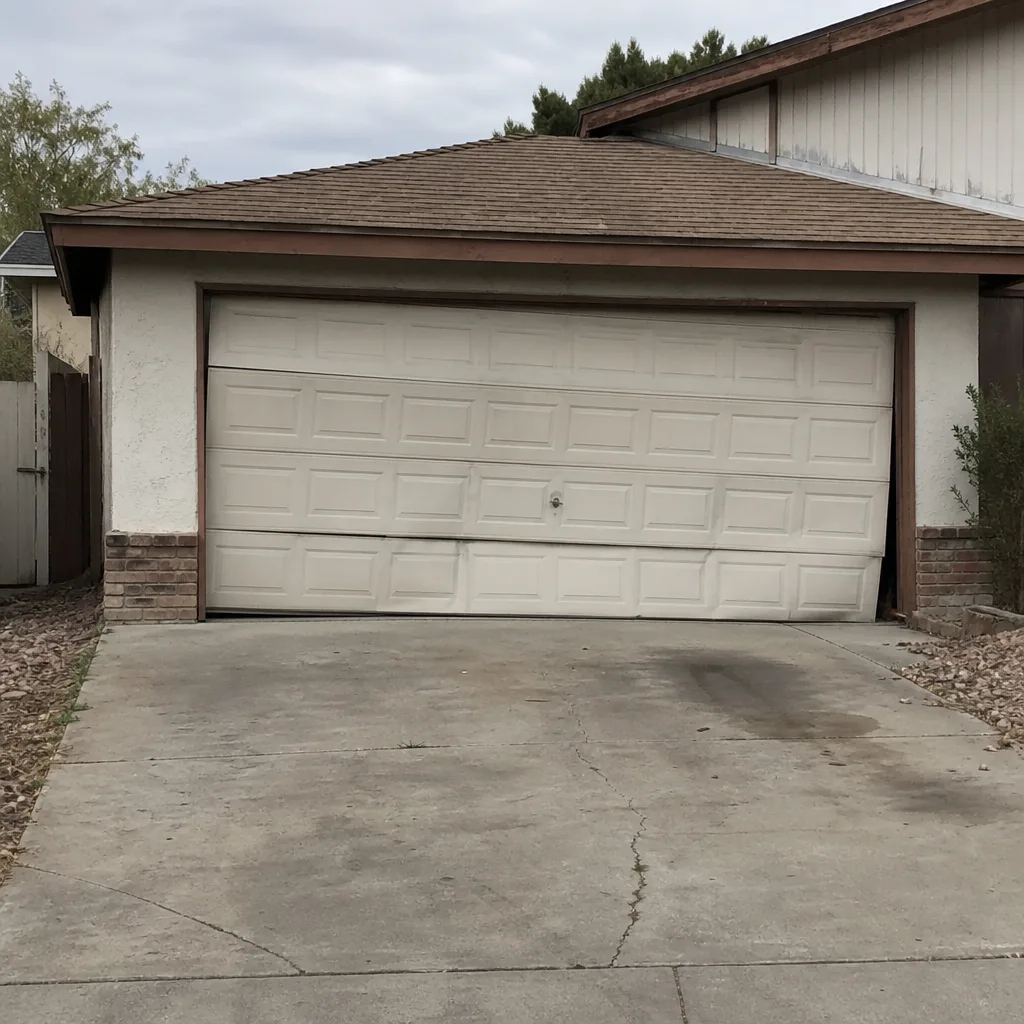 Before
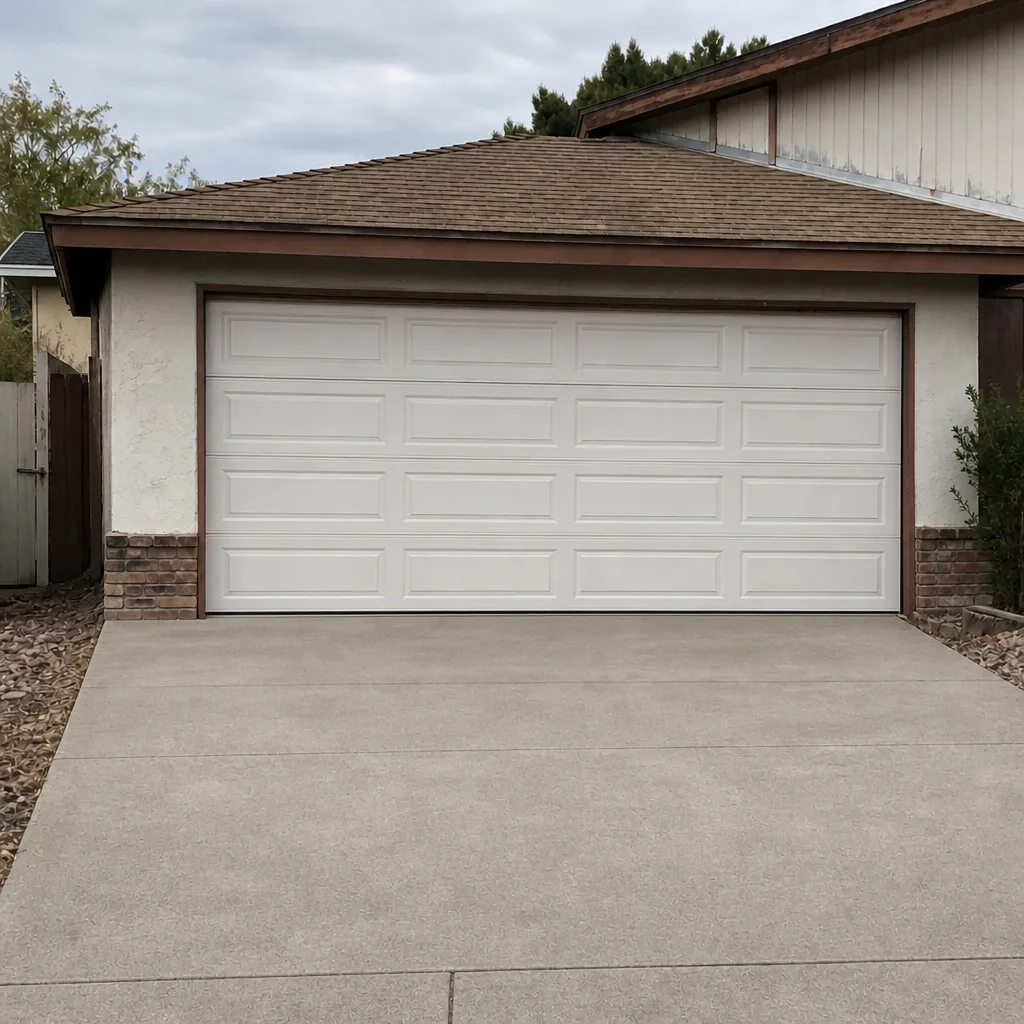 After
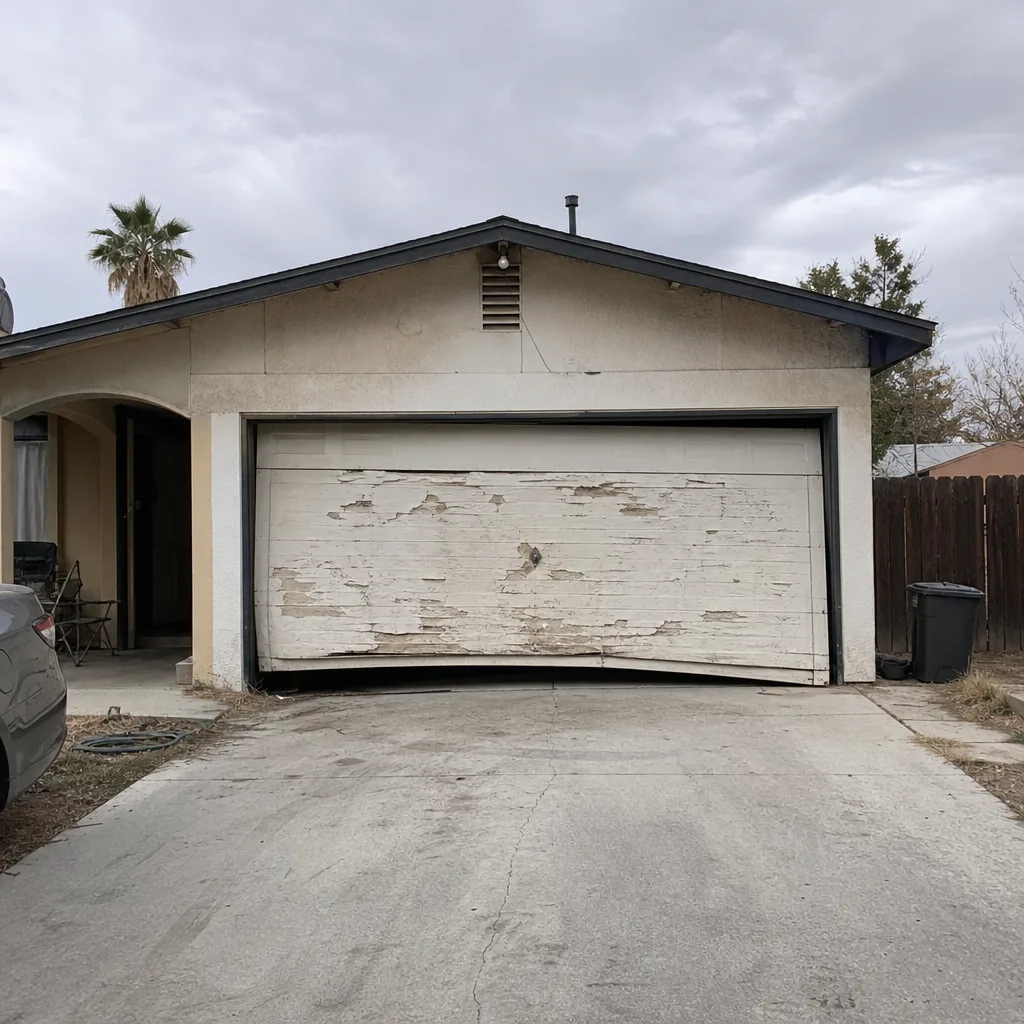 Before
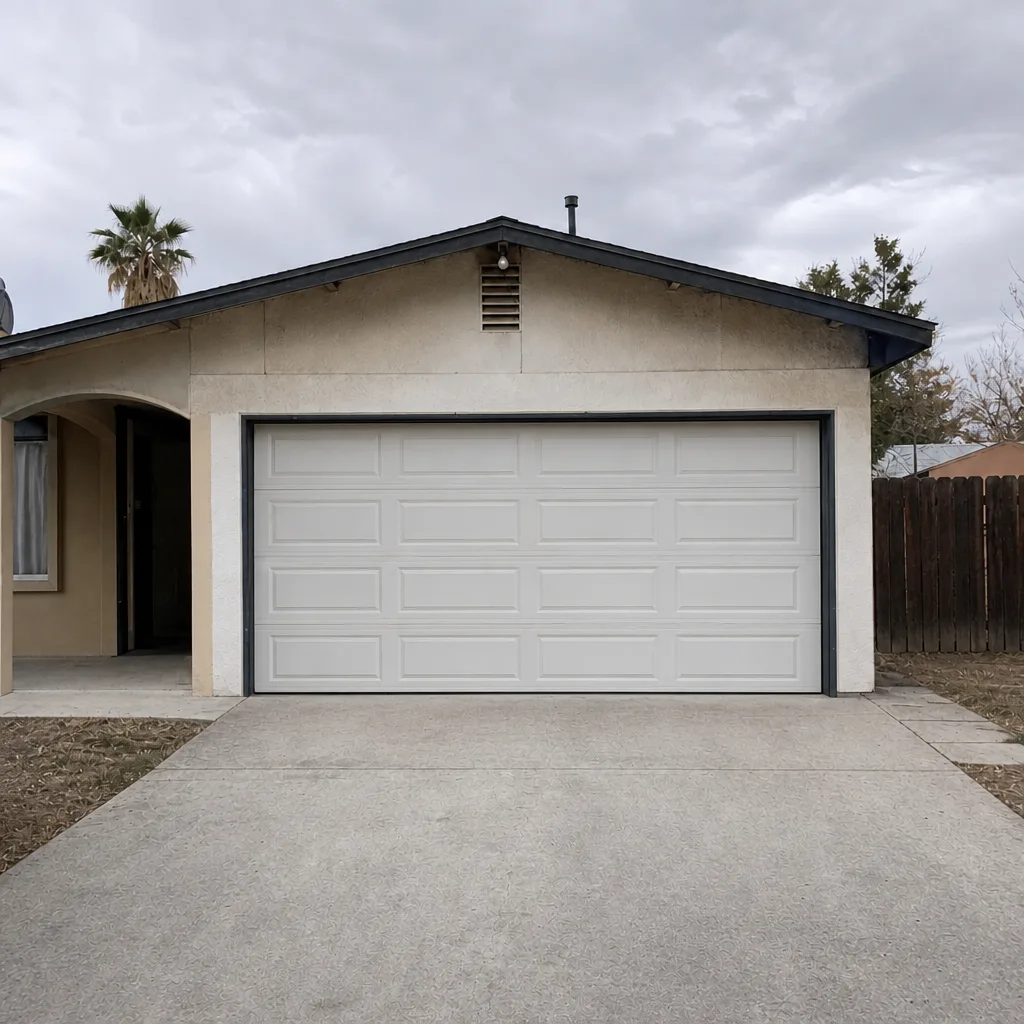 After
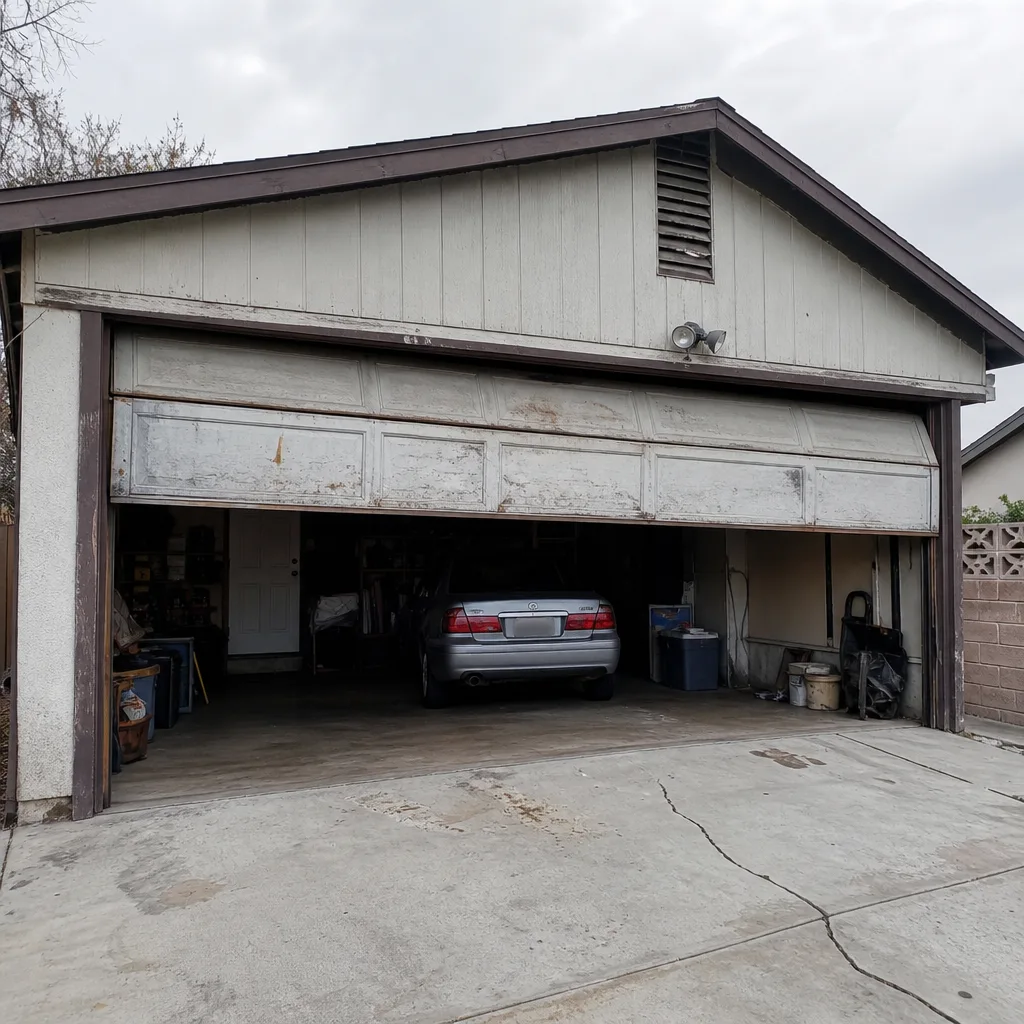 Before
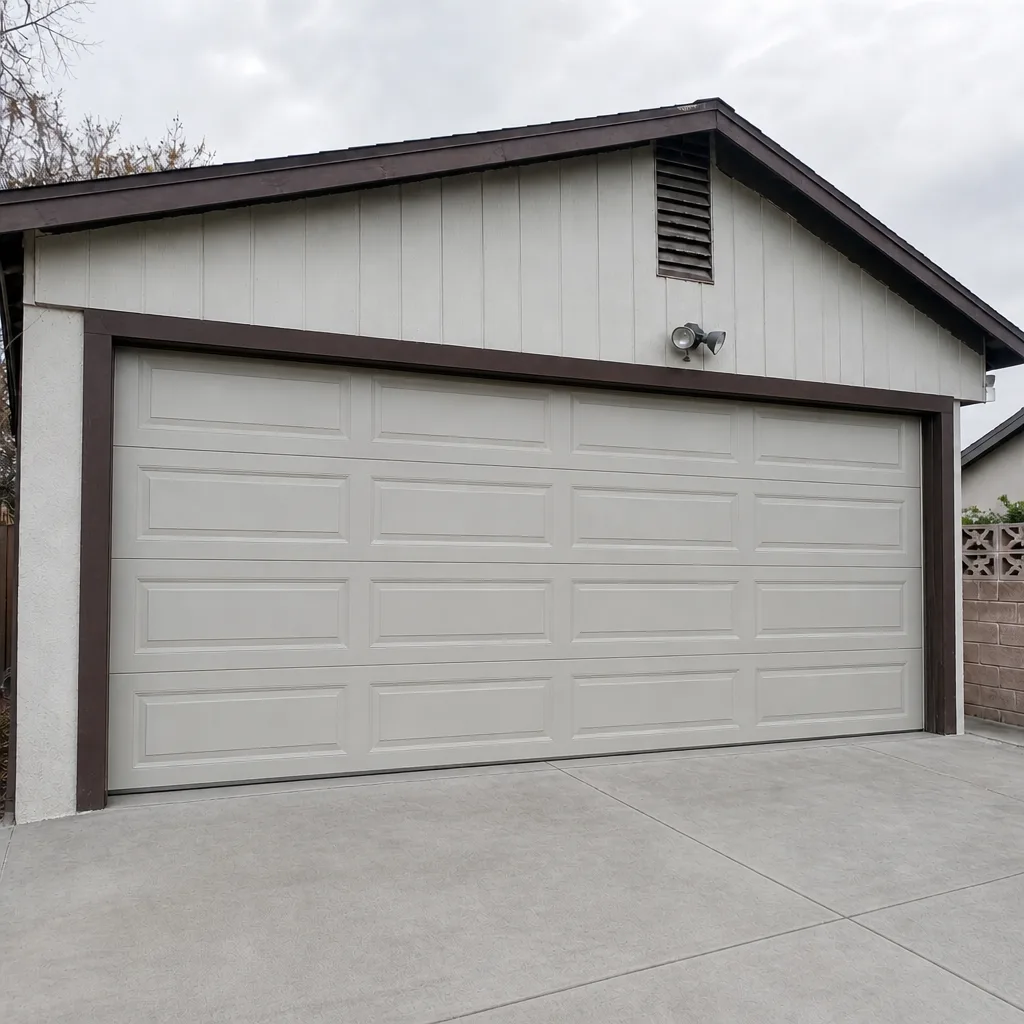 After
When to Call a Professional
Call a technician when the task involves torsion springs, cables, drums, header brackets, panel replacement, or full installation. Call when the door reverses on close without an obvious sensor obstruction. Call when the opener motor hums but the door doesn’t move, or when the door is running slowly and unevenly. Call when you don’t know what’s wrong, because diagnosis is a real skill and most repairs depend on getting it right the first time. Olympus Garage Door Service offers free estimates in Sunrise Manor. Call (877) 359-8085. We answer 24/7. Fast dispatch from 7am to 7pm, Sunday through Friday. Our garage door opener repair team treats motor, sensor, and remote issues as their own discipline, not as an afterthought to door work.
Frequently Asked Questions
Yes, you can legally self-install on your own residence, but most manufacturer warranties require professional installation for structural coverage, and homeowner’s insurance may not respond to a claim stemming from an unlicensed installation. The legal permission and the practical coverage are two different questions. Call your insurer before you decide.
Spring replacement, cable and drum work, header bracket installation, and full panel or door replacement typically void structural coverage when done without a licensed installer. Clopay, Amarr, Wayne Dalton, and Raynor all publish limited warranties with licensed-installer language on higher-end models. Read your own document, then check whether the task you’re considering falls under covered components.
It’s priced per spring, with a matched pair typically running about twice a single-spring price since the springs should be replaced together. The written estimate sets the final price after a look at the door. Call (877) 359-8085 for a free estimate.
Yes, both are safe to DIY. They’re wear items that don’t involve the spring tension or the structural anchor points. Once the door is fully open with the torsion system at rest, they swap with basic hand tools. If a roller replacement reveals a bent track or a suspected spring issue, stop and call a technician.
Not always. Remote compatibility depends on the opener’s radio frequency and security protocol. Modern LiftMaster and Chamberlain openers use rolling-code or encrypted signals, and older remotes usually won’t pair with them. Check the opener’s manual for compatible remotes before ordering replacements.
It’s priced per job based on door size, insulation level, and brand, with the written estimate setting the final price after a measure. A technician needs to see the opening and check the existing tracks and header before quoting. Call (877) 359-8085 to schedule a free measure and written price.
The Bottom Line
The DIY-versus-pro decision on a garage door isn’t about how handy you are. It’s about which tasks sit inside your legal and warranty safety zone and which don’t. In Sunrise Manor, the DIY list is real: bottom seals, rollers, sensor cleaning, opener programming, lubrication. The professional list is equally real: springs, cables, drums, header brackets, panels, and full installs. Doing the first group yourself saves money cleanly. Doing the second group yourself risks injury, voids manufacturer coverage on brands like Clopay and Chamberlain, and leaves you exposed if a failure injures someone. Read the warranty, price each task, and decide per job. Our specialists handle all three disciplines under one call, and garage doors are all we do. Call (877) 359-8085 for a free estimate. We answer 24/7. Fast dispatch from 7am to 7pm, Sunday through Friday.
Written by the team at Olympus Garage Door Service, serving Sunrise Manor since 2013.