
Last updated November 14, 2026
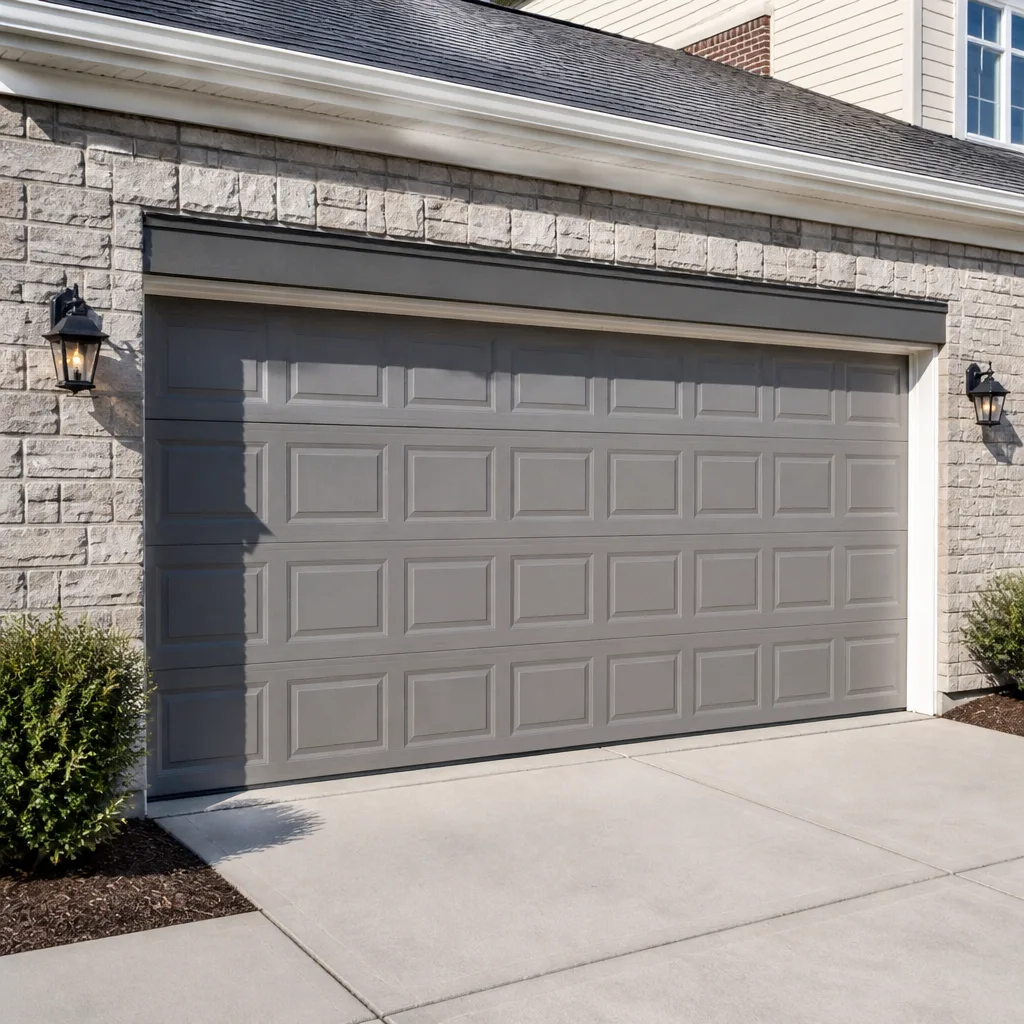 Raised-panel steel
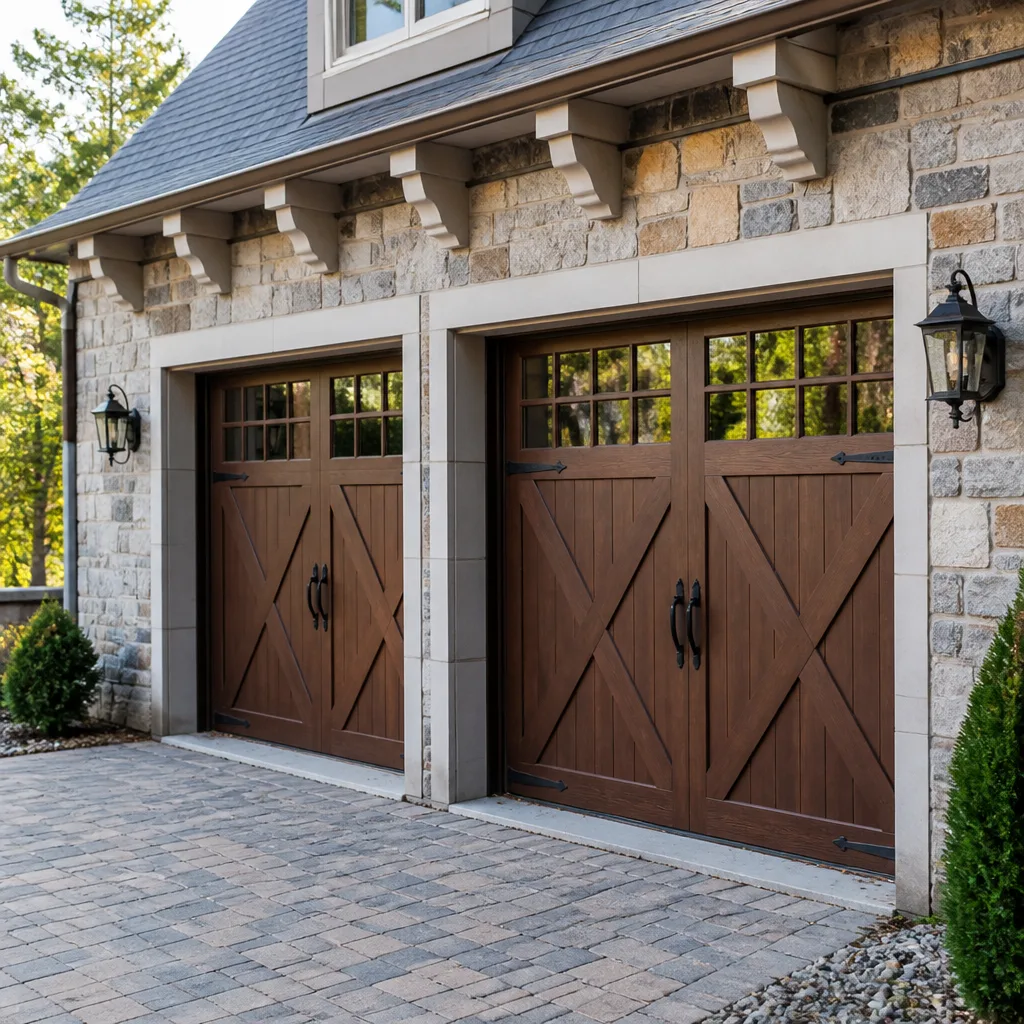 Carriage house
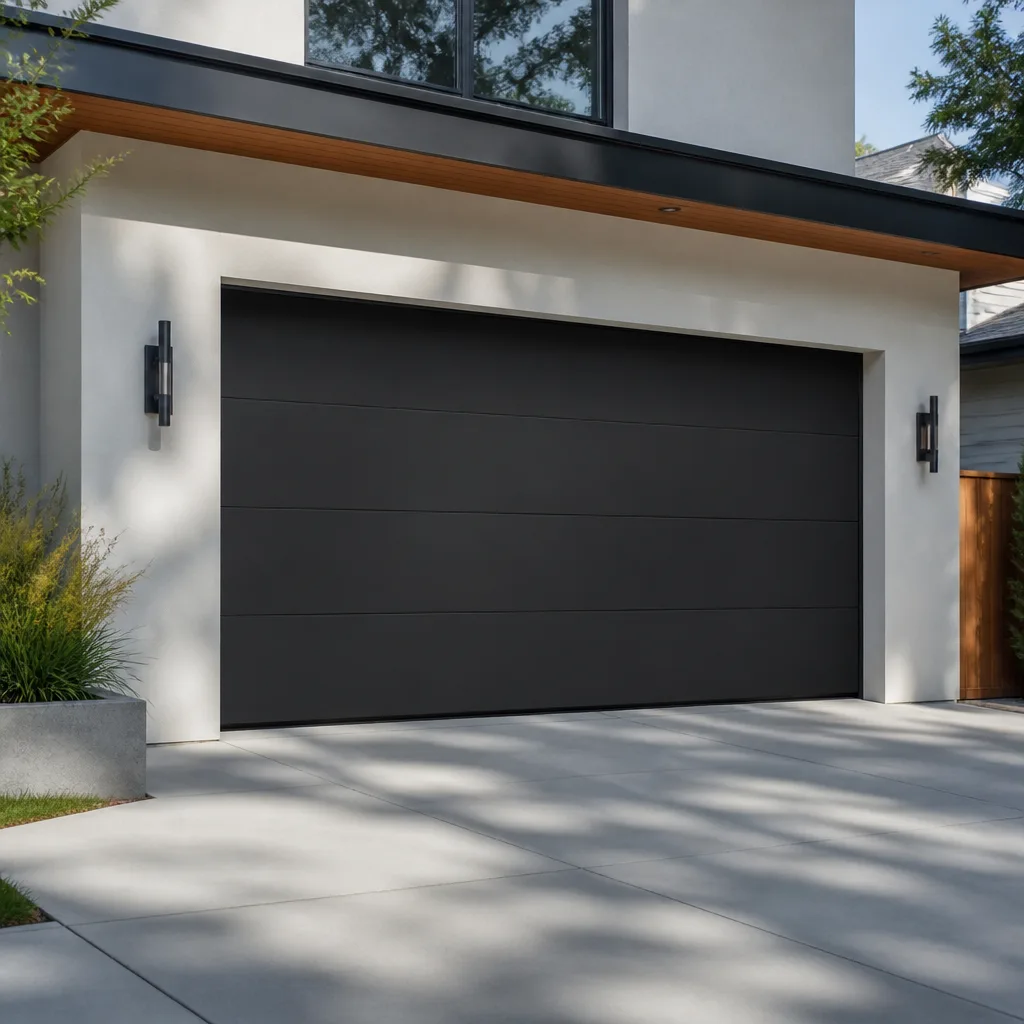 Modern flush
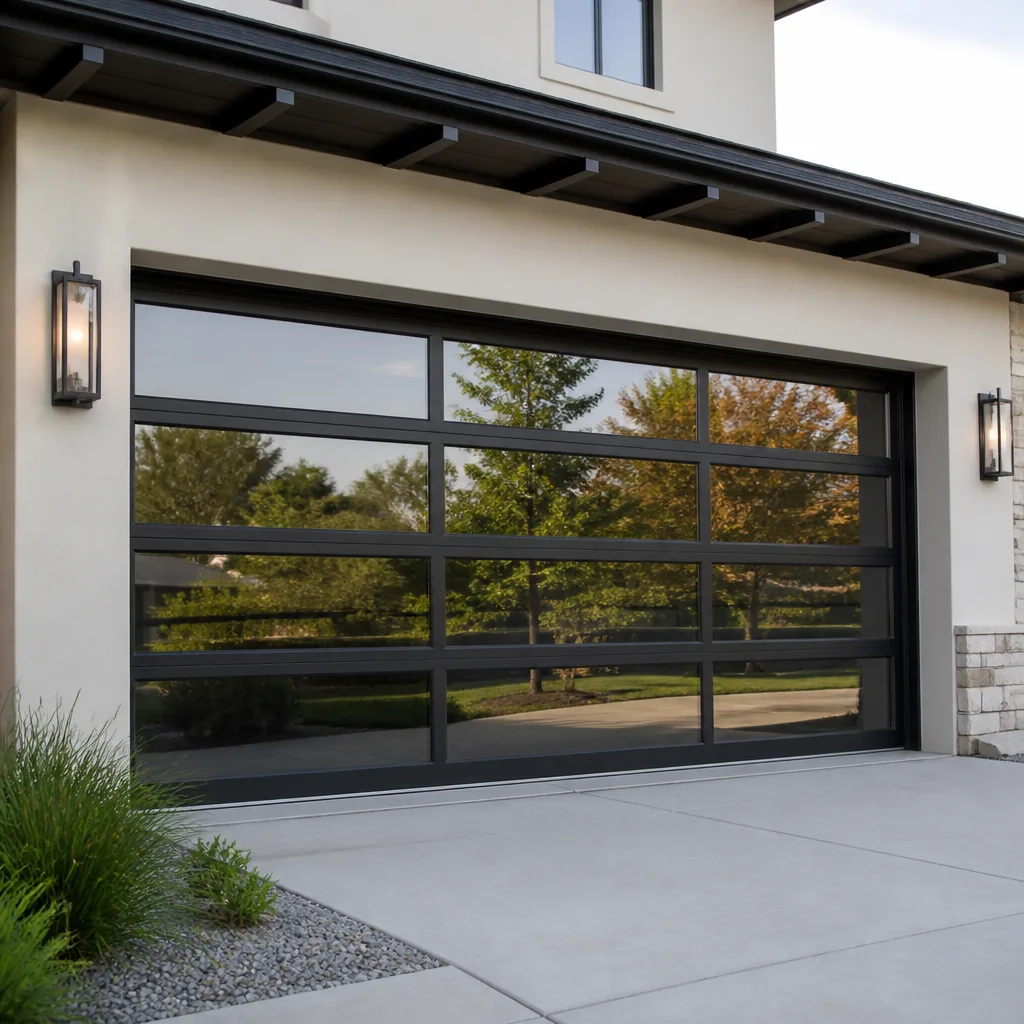 Full-view glass
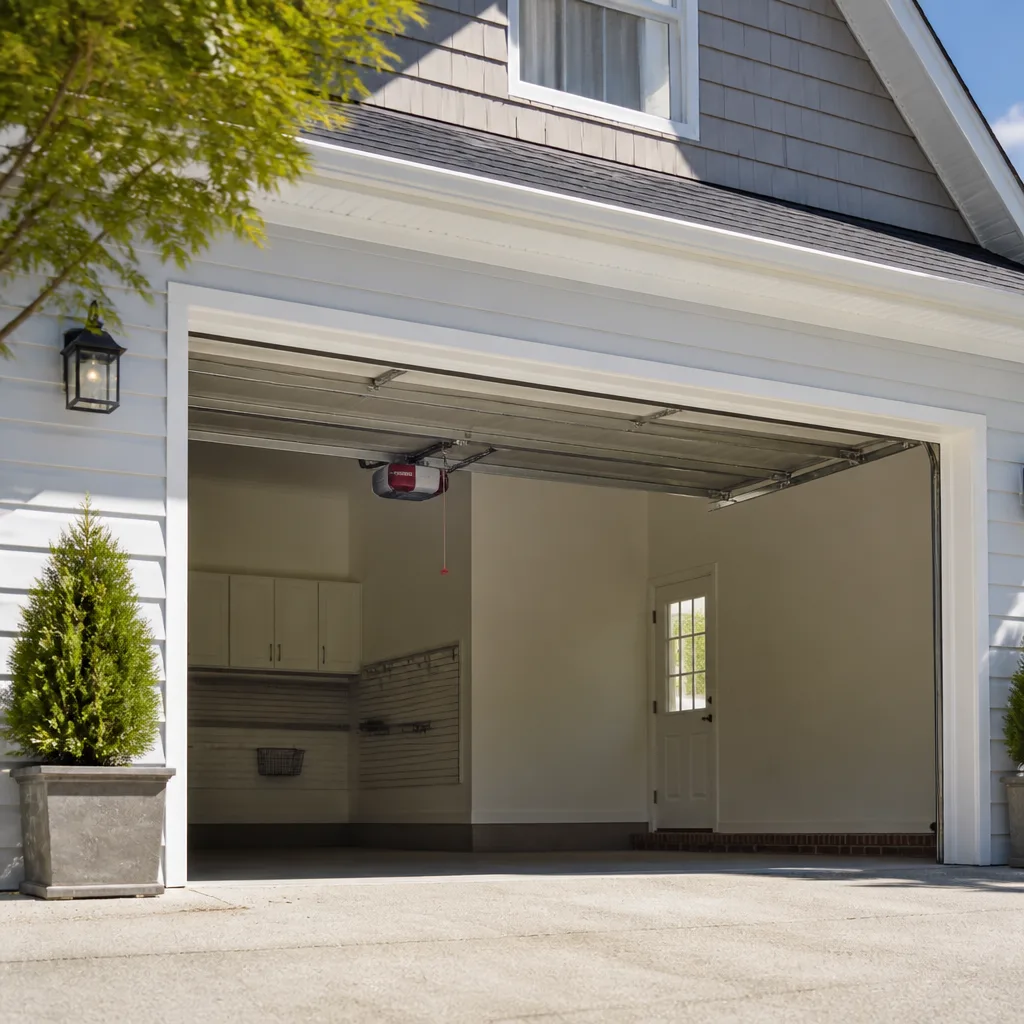 LiftMaster openers
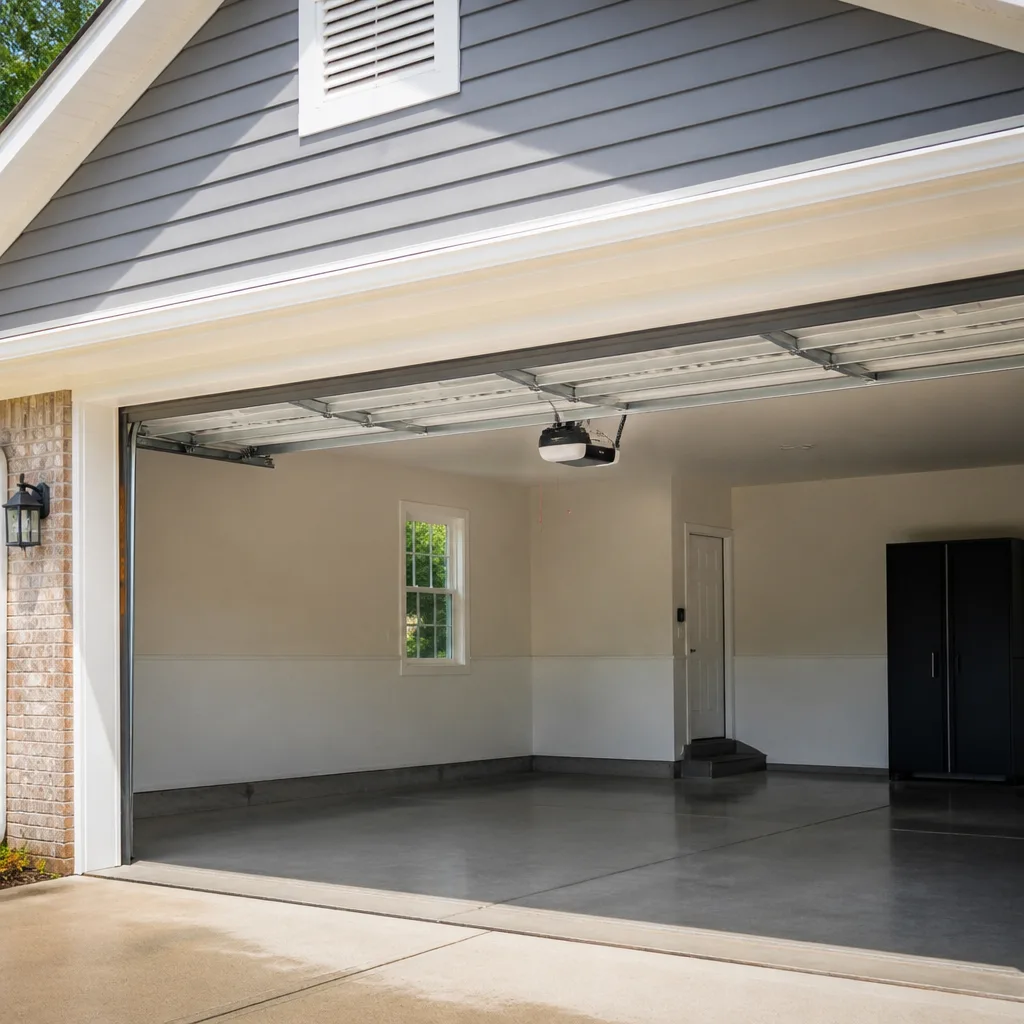 Chamberlain openers
Full 25-point door and opener safety check with every visit - springs, cables, rollers, tracks, and your LiftMaster or Chamberlain opener included
You get a price before we start. It does not change when the truck arrives.
Get your free estimateGarage Door Repair Troubleshooting in Sunrise Manor: Common Problems and How to Fix Them
A door that reverses before it closes is the most misdiagnosed garage door symptom in high-heat climates. Most homeowners blame the safety sensor, head out with a rag, and keep blaming it after the lenses are spotless. In our experience, a good share of those doors are actually fighting a warped track gap that opened up during triple-digit summer temperatures. Solving the wrong problem costs you an afternoon and teaches you nothing. This guide shows you how to separate the three root causes behind nearly every failure here – heat expansion, desert dust, and spring fatigue – so you know whether you’re looking at a cheap fix or a real repair. You’ll also learn how to read your opener’s own error signals before you call anyone in Sunrise Manor.
Quick Answer
Most garage door problems in Sunrise Manor come from heat expansion, dust buildup, or spring fatigue, and the symptom rarely points to the right one on its own. A reversing door is usually a track alignment issue, not a sensor problem, and a door that fails intermittently is often a dusty logic board or photo-eye rather than failed wiring. Diagnose the cause first, then decide whether it’s a task you can safely handle or one that needs a trained technician.
Styles & brands we work with
- Raised-panel steel
- Carriage house
- Modern flush
- Full-view glass
- LiftMaster openers
- Chamberlain openers
Table of Contents
- Why Heat Cycles Break Doors Here
- The 60-Second Track Test
- How Desert Dust Causes Electrical-Looking Failures
- Spring Tension Checks: Single-Car vs. Two-Car Doors
- Reading Opener Error Codes by Brand
- Five Repairs You Can Do, Two You Cannot
- Common Mistakes to Avoid
- When to Call a Professional
Why Sunrise Manor Heat Cycles Break Garage Doors
Summer temperatures around 115°F push a steel or aluminum garage door through a daily expansion and contraction cycle. A door in full western sun can measure noticeably longer across its width by mid-afternoon than it did at dawn. The panels absorb that movement. So do the vertical tracks, the hinges, and the hardware connecting them. Nothing snaps all at once. Instead, the system slowly works itself out of alignment over a season, and the first symptom shows up as a door that doesn’t sit square, rubs on one side, or reverses before reaching the floor.
This is why Sunrise Manor homeowners see track problems that look like sensor problems. It’s also why a door that worked fine in April can act up by July without anyone touching it. The heat didn’t break a part. It moved one.
Sunrise Manor’s housing plays into it too. Much of the housing stock is single-story ranch construction with uninsulated or lightly insulated garages, and those spaces run hotter than a shaded or conditioned garage. A west-facing door on a block wall along a wide residential street absorbs the full afternoon load. Doors in that position tend to show alignment symptoms earlier than shaded ones.
Add the caliche dust that settles over the valley and you get a compounding effect: heat moves the hardware out of true, dust lodges in the gap it opens, and the door starts sticking in one spot. Catch it early and it’s an adjustment. Ignore it for a year and you’re replacing rollers and possibly a section.
The 60-Second Track Test: Heat Warp or Sensor Misalignment?
A door that reverses before closing is usually the track, not the safety sensor, and you can tell which one in under a minute without tools. This is the single most useful test in this guide, because it saves you from the most common wrong turn.
Here’s the sequence:
- Stand inside the garage, door closed, and look at each vertical track from floor to the curve. You’re checking for a gap between the track and the door edge. On a healthy door, the gap is even top to bottom.
- Look for daylight or a visible widening at the bottom third. A gap that grows toward the floor on one side is the signature of a heat-warped track.
- Run the door up about a foot with the wall control and stop it. Watch the door’s edge as it moves. If it shifts sideways or the gap changes, that’s track misalignment.
- Now check the sensors. Both photo-eye lenses should point at each other across the opening, roughly 4 to 6 inches off the floor. If one is knocked sideways or the indicator light on it flickers, you have a sensor issue instead.
The key distinction: a sensor problem stops the door at the same point on every cycle, or won’t let it start at all. A track warp is usually intermittent and worse in the afternoon when the steel is hottest. If the door closes fine in the morning and reverses at 4pm, you’re looking at heat expansion, not electronics.
For a track that’s out of true, adjustment is a job we handle as part of garage door repair, and it’s usually straightforward once the cause is confirmed. The important thing is not to loosen track bolts yourself and start tapping – the vertical track carries the door’s weight and alignment, and a bad adjustment can pull a roller out of the channel.
How Desert Dust Creates Failures That Look Electrical
Caliche dust is fine, alkaline, and everywhere in the Sunrise Manor area. It gets into the garage on the wind, on tires, and through gaps you didn’t know existed. On its own, dust is a cleaning problem. On a garage door system, it’s a fault generator that mimics electrical failure.
The two places it does the most damage:
- Photo-eye lenses. A film of dust on either lens dims the infrared beam the sensors use to detect obstructions. The opener reads a weak beam as a blocked door and reverses. Homeowners replace sensors that were only dirty.
- Logic board contacts and terminal screws. Dust bridges the small gaps around low-voltage terminals on the opener’s circuit board. Combined with summer heat, it can cause intermittent faults: the door works, then doesn’t, then works again. That pattern looks exactly like a failing board or bad wiring, and it’s often neither.
This is where a lot of Sunrise Manor openers get misdiagnosed or replaced prematurely. A technician who opens the unit and finds a dust film on the board has a real answer. One who doesn’t look past the symptom may sell you a new opener you didn’t need.
You can safely handle the cleaning side yourself. Wipe both photo-eye lenses with a soft dry cloth once a month, and blow or brush dust out of the opener housing vents if your model has them. Don’t spray cleaner into the housing or onto the board. If the intermittent behavior continues after a thorough lens cleaning, that’s when it’s worth having someone look at the board and terminal connections properly. Air filters in the garage, sealed door gaps, and keeping the door closed during windy periods all cut down the dust load.
Spring Tension Checks: Single-Car vs. Two-Car Doors
Torsion springs carry the door’s weight, and when they lose tension the opener works harder, the door gets heavy, and eventually the spring breaks. The standard lift test – disconnecting the opener and lifting the door by hand from the middle – tells you different things on a single-car and a two-car door.
| Door Type | What the Lift Test Should Feel Like | What It Means If It Doesn’t |
|---|---|---|
| Single-car (roughly 8-9 ft wide) | The door lifts with light, steady effort and stays put about waist-high when you let go. | A door that feels heavy from the start or drops immediately usually has a spring that’s lost tension or is fatigued. On a single-car door the difference is obvious. |
| Two-car (roughly 16 ft wide) | Effort should feel balanced side to side. The door stays where you leave it. | A door that lifts easily on one side and fights you on the other can indicate uneven spring tension or a failing spring on one side – not simply a heavy door. |
On two-car doors especially, owners mistake a sluggish but functional door for “it’s just a big door.” It shouldn’t be. If you have to lean into it, the springs are telling you something.
A safety note before you test anything: disconnect the opener using the release cord, do the lift test by hand, and reconnect. Do not try to adjust, wind, or unwind a torsion spring yourself. The springs are under high tension and a mistake can cause serious injury. Spring replacement is work for a trained technician, and we treat it as such.
Watts of stored energy aside, spring fatigue in Sunrise Manor runs on the heat cycle too. The daily expansion and contraction of the door and hardware adds stress cycles that a cooler climate wouldn’t produce as quickly. If your door is older and suddenly feels heavy, fatigue is the likely cause, not a broken opener.
Reading Your Opener’s Error Signals by Brand
Openers tell you what’s wrong if you know the language. The three common systems communicate differently, and knowing which signal you have narrows the diagnosis before you make a call.
LiftMaster Error Codes
LiftMaster units typically flash the diagnostic LED on the motor housing a set number of times, pause, then repeat the sequence. Counting those flashes and matching them to the chart inside the opener’s cover or manual tells you whether the unit is seeing an obstruction, a sensor problem, a travel limit issue, or an internal fault. It’s the most precise of the three systems, and worth a minute of your time before you call.
Chamberlain Beep Sequences
Chamberlain openers often use beep patterns from the motor unit combined with the up and down light codes. A repeating set of beeps usually points to a sensor alignment or wiring issue, while light flashes alone often flag a travel or force setting. The pattern matters more than the count.
Genie LED Patterns
Genie units use LED indicator patterns on the power head to signal things like a sensor fault, a force limit trip, or a remote issue. The pattern is your starting point; the manual maps it to a cause.
If you have Raynor or another brand’s opener, the manual will have its own code chart, and most are findable by model number. Whatever the brand, write down what you saw – number of flashes or beeps, and when they happen – and you’ll get faster, more accurate advice. That’s part of how we approach garage door opener repair: read the signal, confirm the cause, then recommend the fix. Accurate diagnosis before any repair recommendation is the standard we hold to.
Five Repairs You Can Do, Two You Must Not
Some garage door issues are genuinely within reach for a careful homeowner. Others look easy in a video and aren’t. Here’s the honest split.
Safe for You to Handle
- Cleaning photo-eye lenses. Dry cloth on both lenses, monthly in dusty months. Fixes a surprising number of reversing doors.
- Replacing remote batteries and re-pairing remotes. Straightforward, and usually the whole problem when a remote stops working.
- Realigning the safety sensors. If a sensor got bumped, nudging it back so both lenses face each other is safe as long as the mounting bracket is intact.
- Lubricating rollers, hinges, and the spring with a proper garage door lubricant. Quiets the door and reduces wear. Don’t use a general-purpose spray on the tracks.
- Clearing obstructions and tightening visible, accessible hardware. Bolts on brackets you can safely reach with the door down, plus clearing debris from the track.
Not Safe for You to Handle
- Torsion spring replacement or adjustment. The springs hold the door’s full weight under high tension. This is the repair that sends homeowners to the emergency room every year. It requires the right tools and training, and it isn’t a YouTube project.
- Track replacement or major track realignment on a door under load. A vertical track that’s badly warped or loose carries weight and controls alignment. Adjusting one wrong can drop a door or throw a roller. The line between a small track tap and a structural adjustment is not one to guess at.
The rest of the system – the opener mechanism, the door panels, the cables – falls somewhere in between. If you’re not sure which side of the line a repair falls on, that uncertainty is your answer. Ask a technician.
What a Typical Sunrise Manor Service Call Looks Like
Homeowners often want to know what happens before they commit, so here’s the general shape of a visit. A technician starts with the symptom you describe, then works through the likely causes in order: track alignment, roller and hinge condition, spring tension, sensor function, and opener diagnostics. The door gets cycled a few times, hardware is inspected, and the opener’s signal is checked if the door is a motorized unit undergoing issues.
From there you get a diagnosis and a written estimate before anything is repaired. The price is set per job and agreed with you before work starts, so there’s no surprise at the end. If the likely repair is something you can safely do yourself – cleaning lenses, a remote battery – a good technician will tell you that and save you the visit. We’d rather give you an accurate answer than a padded invoice.
The kinds of calls we see across Sunrise Manor tend to cluster around a few recurring patterns. We work on LiftMaster and Chamberlain openers regularly, along with the other leading brands, and the diagnosis process is the same regardless of what’s on your ceiling. One call covers the door, the opener, and the installation, so you’re not juggling contractors over a single failure.
See the difference
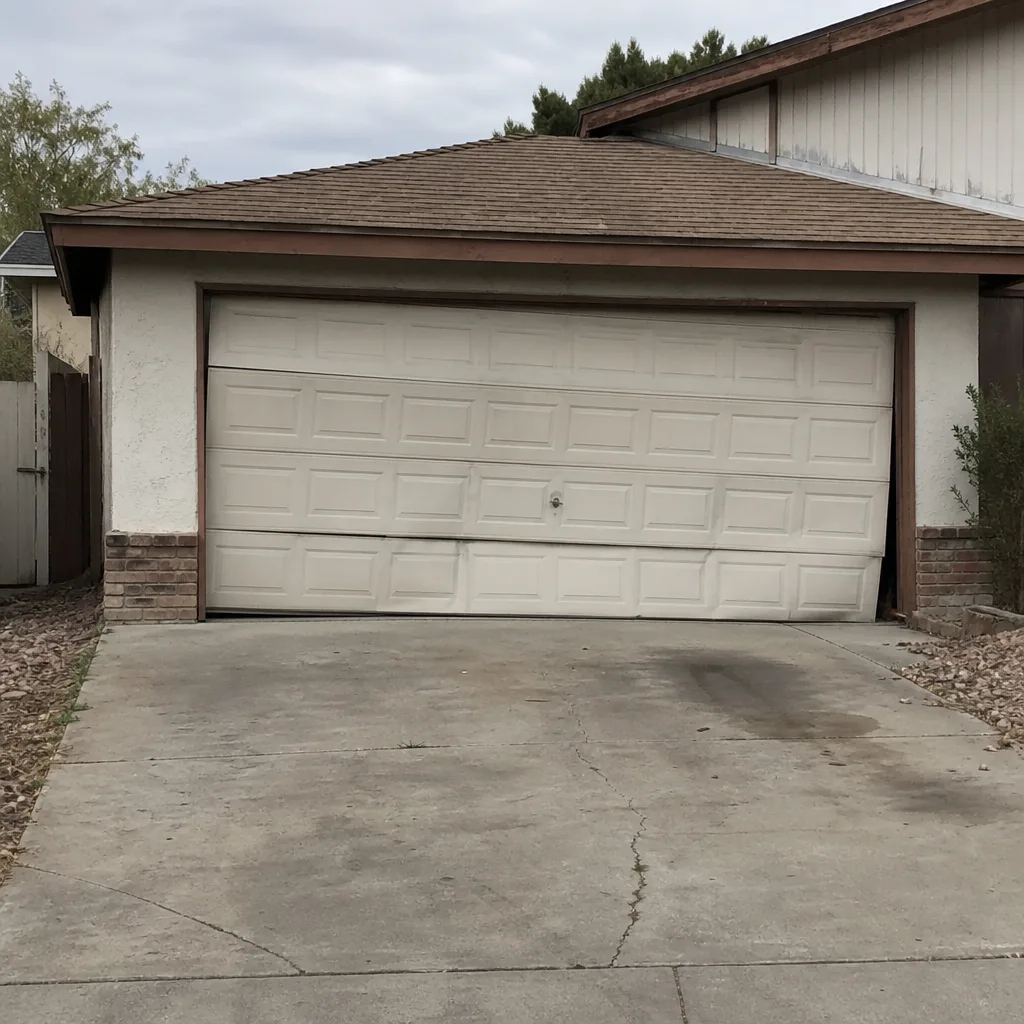 Before
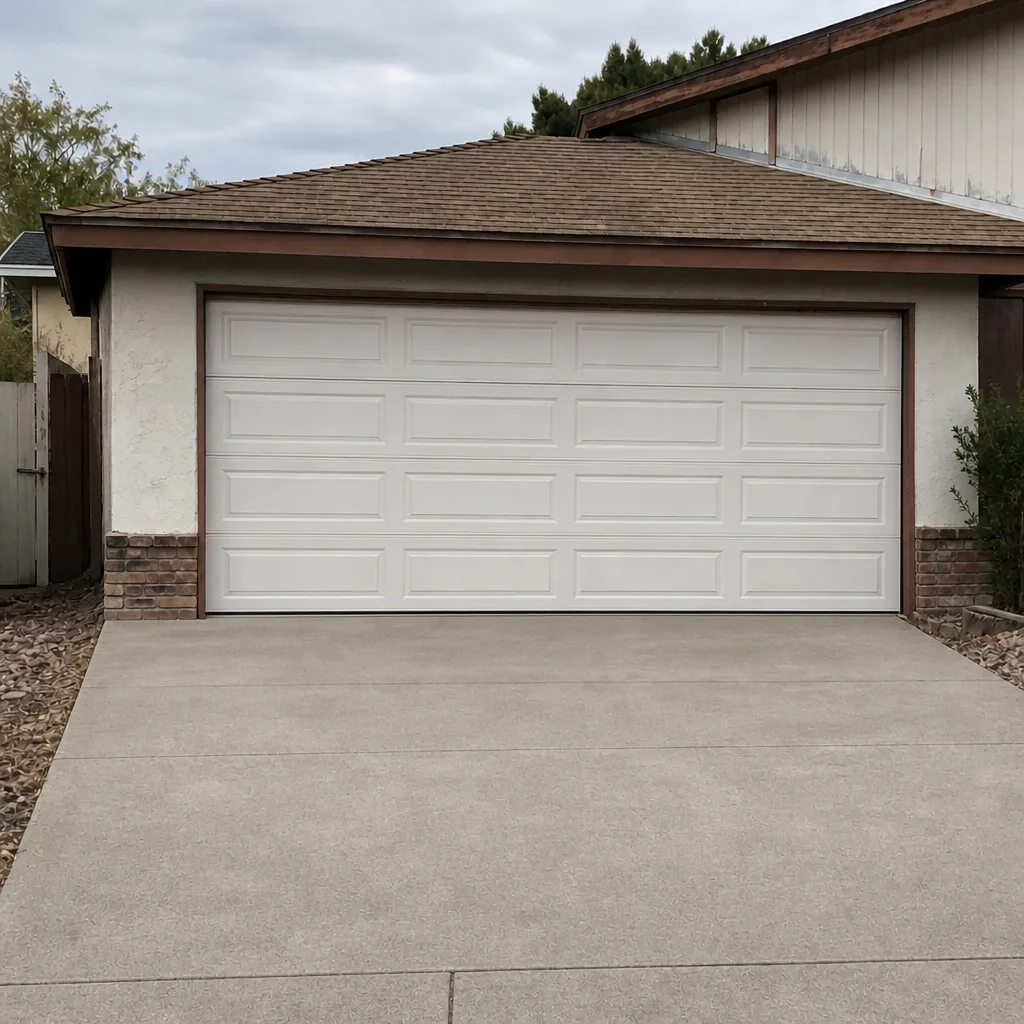 After
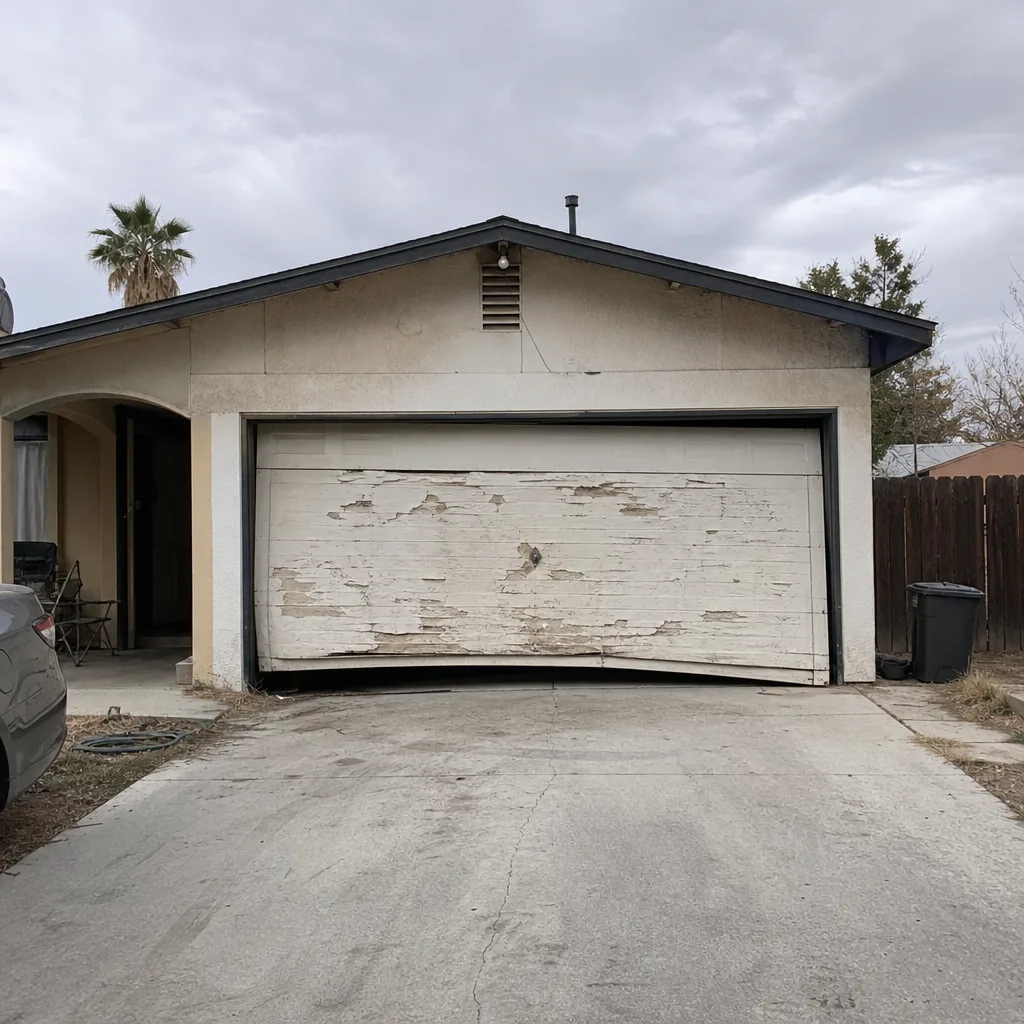 Before
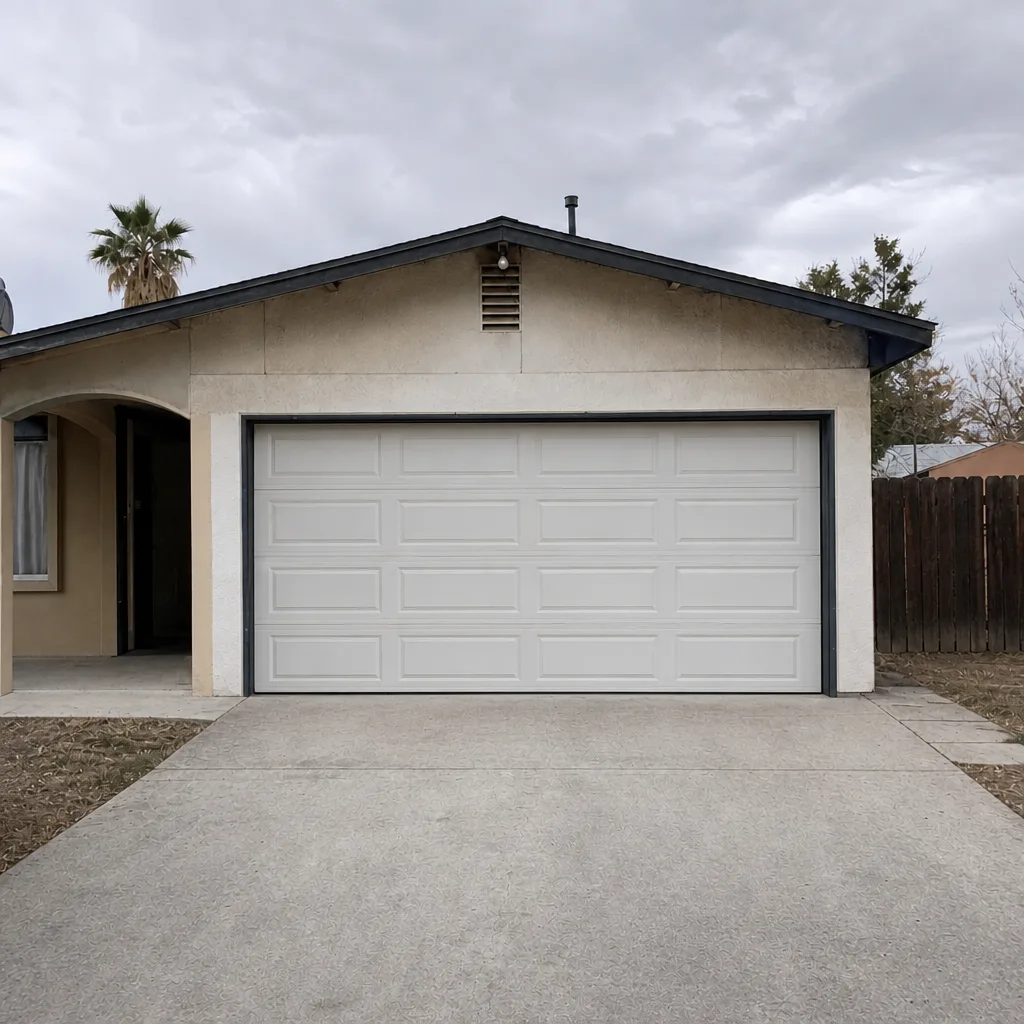 After
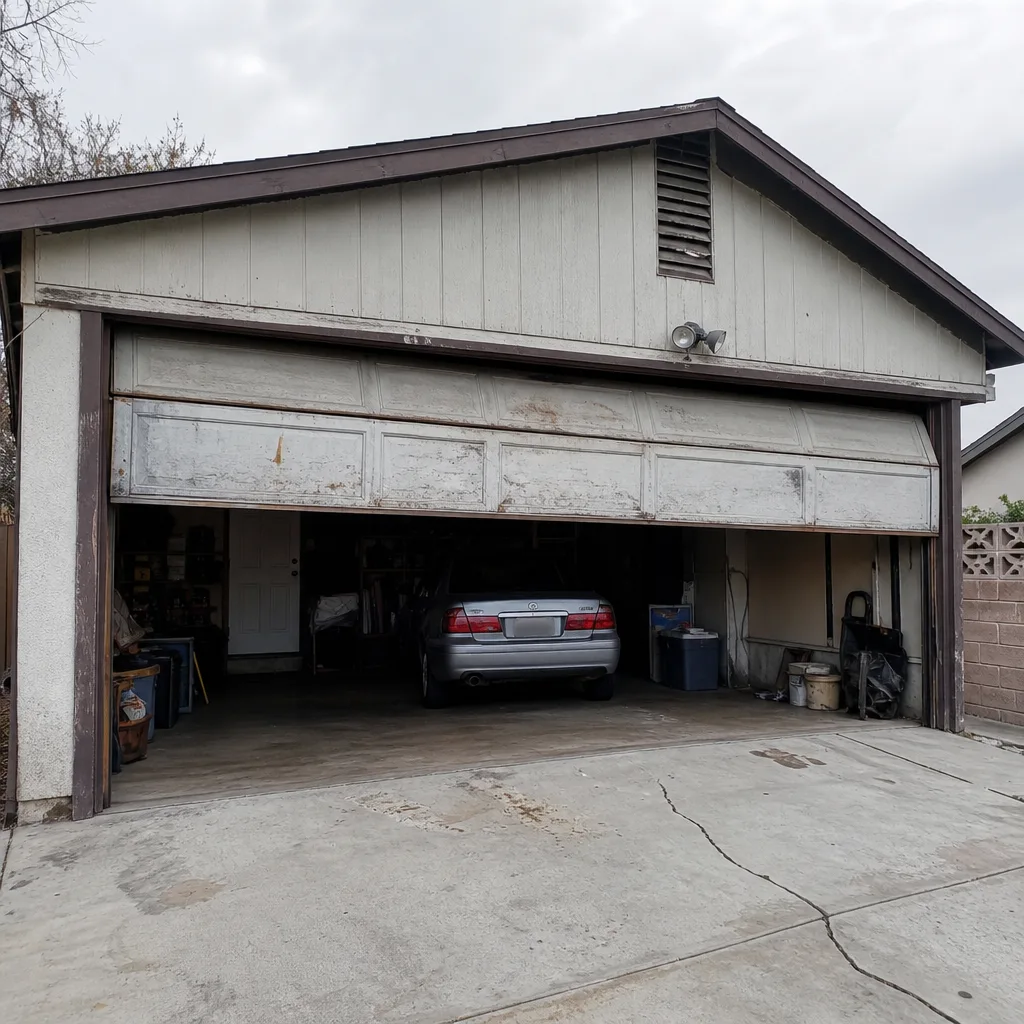 Before
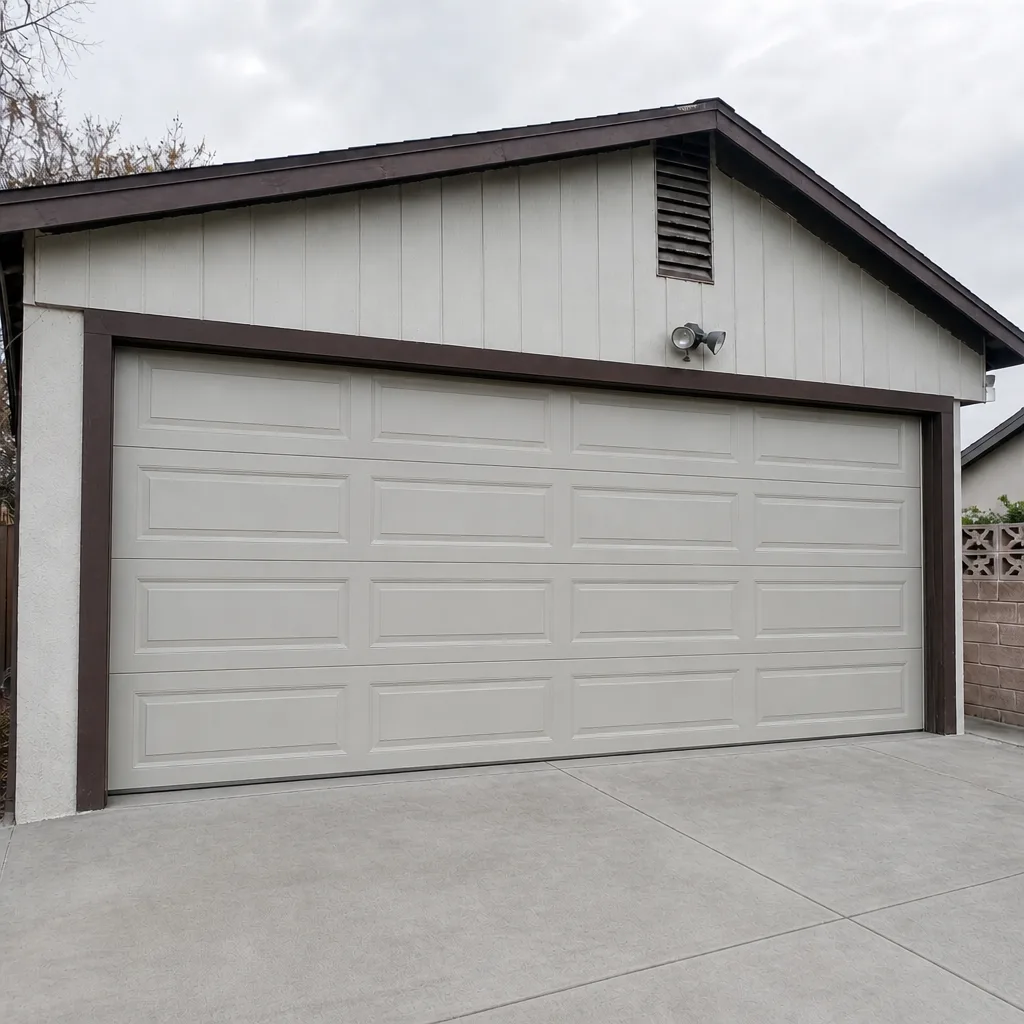 After
Seasonal Maintenance That Prevents Most of This
Most of the troubleshooting in this guide is preventable with a short seasonal routine. In this climate, the two checkpoints that matter are late spring, before the summer heat peaks, and late fall, after it.
- Spring: clean the photo-eye lenses, lubricate rollers and hinges, and run the lift test while the weather is mild and the door is at its baseline.
- Fall: repeat the lift test – this is when fatigue from the summer cycle shows up most clearly – and check track gaps on both sides.
- Year-round: keep dust out of the opener housing, clear the tracks of debris, and listen for new sounds. A grinding or popping noise is a signal, not a personality trait.
Doors on west-facing walls in Sunrise Manor earn extra attention because the heat load is highest. A door that faces the afternoon sun will always run warmer than a shaded one, and warmer means more expansion, more hardware movement, and more chances for a gap to open and dust to settle in.
If you’d rather not run the checks yourself, a maintenance visit is a reasonable annual habit, and it’s cheaper than replacing a spring and a set of rollers after a season of ignored symptoms. Keeping the tracks clean and the hardware lubricated also keeps the noise down, which makes any new problem easier to hear.
Common Mistakes to Avoid
- Blaming the sensor for every reversing door. As this guide shows, a heat-warped track is the more common culprit in Sunrise Manor summers. Do the 60-second track test before you touch the sensors.
- Lubricating the tracks with grease. The tracks need to stay clean and dry so the rollers move freely. Grease traps caliche dust and turns the track into a grinding paste.
- Adjusting torsion springs yourself. The spring holds the whole door’s weight under high tension. There is no safe shortcut here.
- Replacing the opener when the board is just dusty. An intermittent fault after a lens cleaning is often dust on the logic board contacts. Get it diagnosed before you buy a new unit.
- Ignoring a heavy door. If you have to lift hard, the springs are fatigued or failing. Waiting for the spring to snap means the door may come down with it.
- Calling a general handyman for a stranded door. A stuck door can be a security gap or a safety hazard. A garage-door-only specialist has the parts and the training to solve it correctly the first time.
- Running the door with a visibly bent track. A track out of true wears rollers and can bind the door in an open or closed position, which is a far more expensive fix than an early adjustment.
When to Call a Professional
Call a technician when the lift test feels heavy on either door type, when a track is visibly warped or the door binds, when the door won’t stay down or reverses intermittently after a lens cleaning, or when the opener shows a fault code you can’t clear. Also call if you have a broken spring, a door stuck open, or a cable that’s come loose. On a stranded door, don’t run the opener repeatedly trying to shake it loose – that’s how a small problem becomes a panel replacement.
Olympus Garage Door Service offers free estimates in Sunrise Manor. Call (877) 359-8085. We answer 24/7. Fast dispatch from 7am to 7pm, Sunday through Friday. Garage doors are all we do, and we’ve served Sunrise Manor since 2013.
Frequently Asked Questions
The most likely cause is a heat-warped track, not a bad sensor. Run the 60-second track test above: a gap that widens toward the floor on one side points to track misalignment, while a sensor fault stops the door at the same point every time. Call (877) 359-8085 for an exact diagnosis – estimates are free.
Afternoon failures are a strong sign of heat expansion. Steel tracks and panels lengthen as the garage heats up, opening gaps and misaligning the door. If the pattern holds across several days, it’s alignment, not electrical. We can confirm the cause and adjust the track as part of garage door repair. Call (877) 359-8085 to book a free estimate.
No. Torsion springs hold the door’s full weight under high tension, and adjusting or replacing one without training is dangerous. Most Sunrise Manor homes with a standard door should leave both spring work and track realignment to a technician. Call (877) 359-8085 if your door feels heavy or won’t lift.
That’s your opener telling you what’s wrong. LiftMaster units typically flash a diagnostic LED a set number of times, Chamberlain units often use beep patterns, and Genie uses LED patterns on the power head. The manual maps the pattern to a cause. If you’re still unsure after checking, call (877) 359-8085 – we’ll diagnose it for free.
Sometimes. In Sunrise Manor, dust on the photo-eye lenses is a real cause of reversing doors, but only when the delay and the reverse point stay consistent. If the behavior is intermittent or worse in the afternoon, the problem is usually track alignment or dust on the logic board, not the lenses. Call (877) 359-8085 for a clear answer.
Some repairs are safe and others aren’t. Cleaning lenses, replacing remote batteries, and lubricating hardware are all fine to do yourself. Spring work, track replacement, and heavy door adjustment under load are not. When you’re unsure which category a job falls in, ask a trained technician before you start. Call (877) 359-8085 – the estimate is free.
The Bottom Line
Nearly every garage door problem in Sunrise Manor traces back to heat, dust, or spring fatigue. The symptom rarely points to the right one, which is why diagnosis matters more than guessing. A reversing door is usually a track issue. An intermittent failure is usually dust. A heavy door is usually a tired spring. Handle the safe repairs yourself – cleaning, lubrication, remotes – and leave the springs and heavy track work to a technician. If you’re not sure which problem you have, that’s the moment to call.
Call Olympus Garage Door Service at (877) 359-8085 for a free estimate. We answer 24/7, and we dispatch from 7am to 7pm, Sunday through Friday. Your door, your brand, our expertise.
Written by the team at Olympus Garage Door Service, serving Sunrise Manor since 2013.