
Last updated November 14, 2026
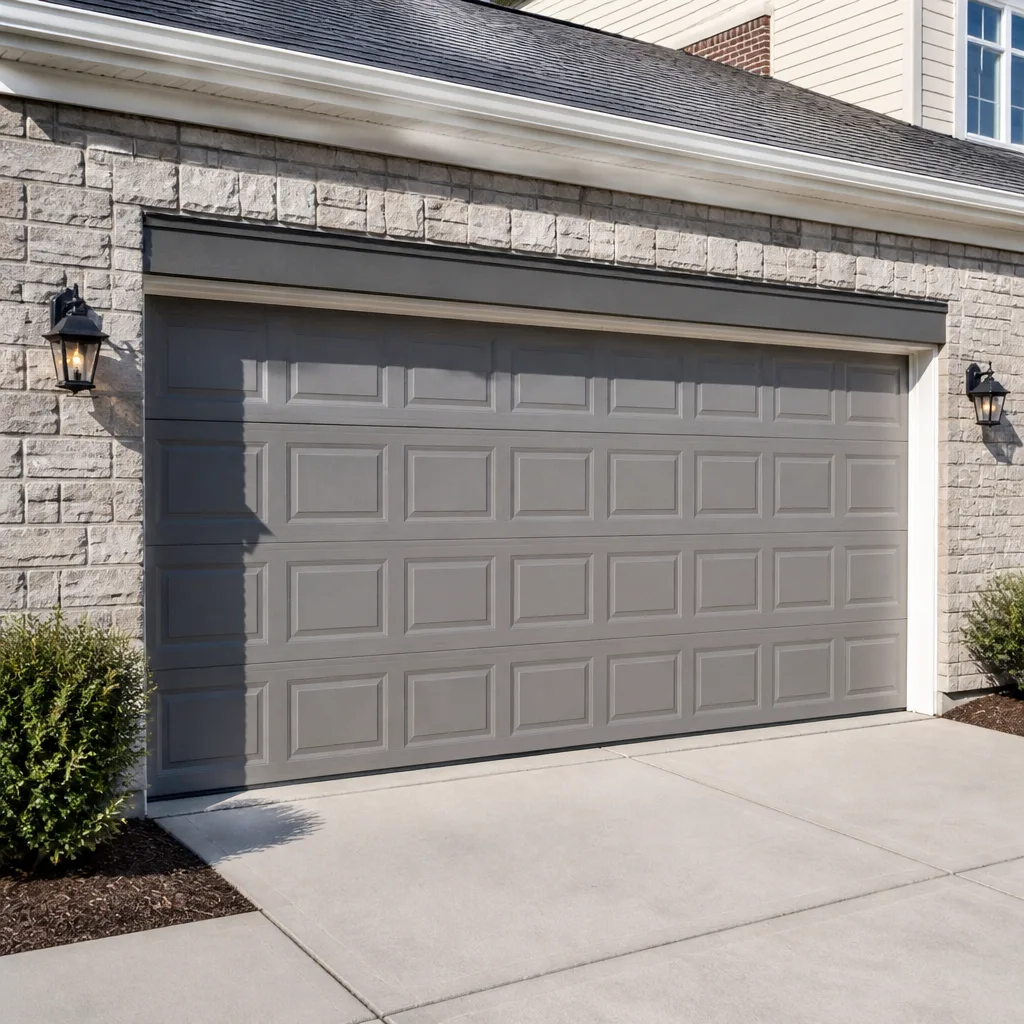 Raised-panel steel
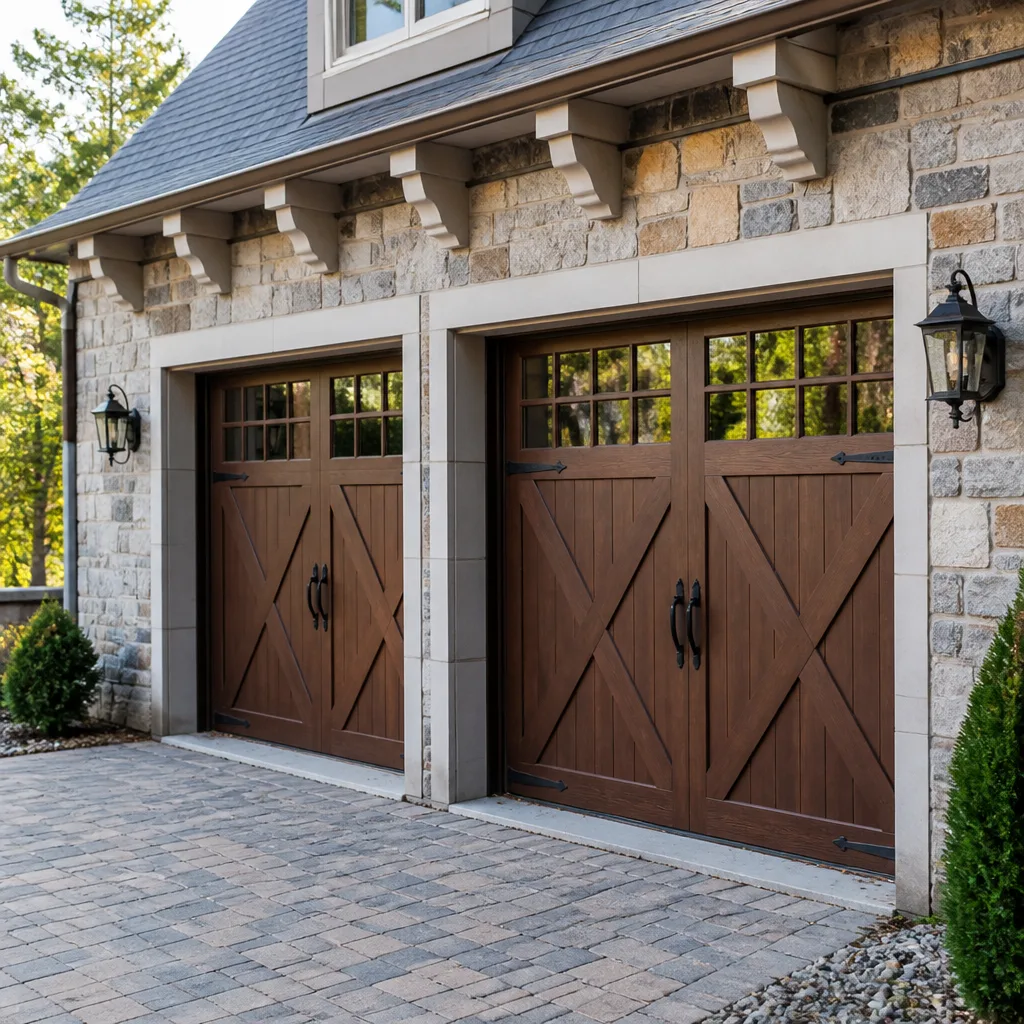 Carriage house
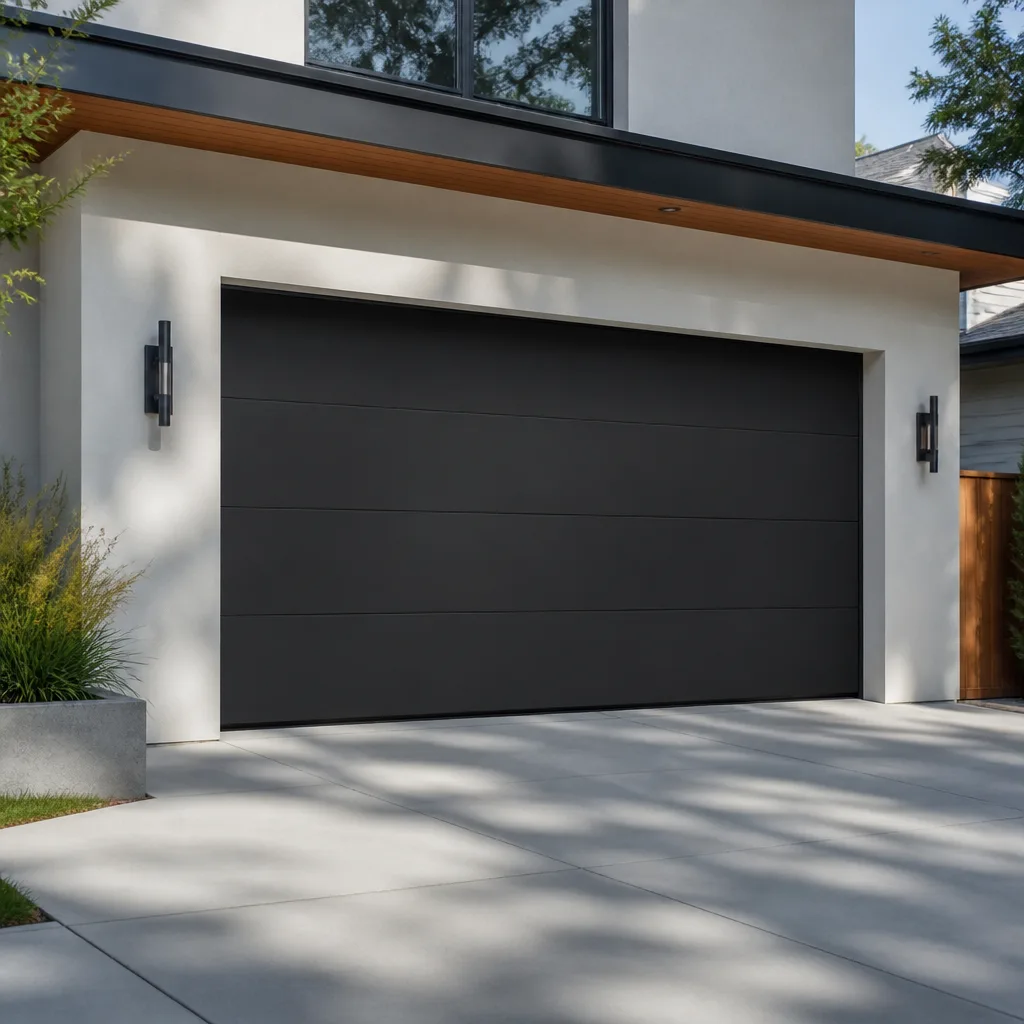 Modern flush
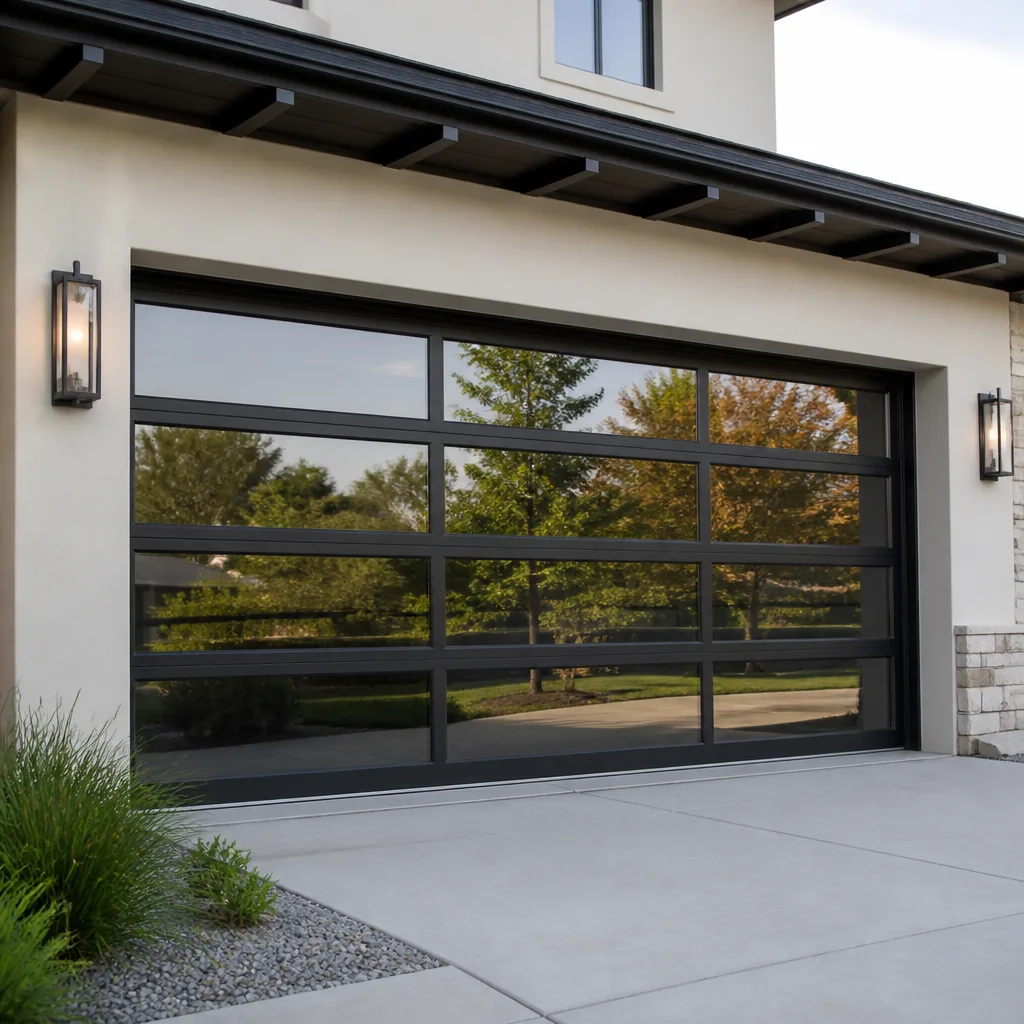 Full-view glass
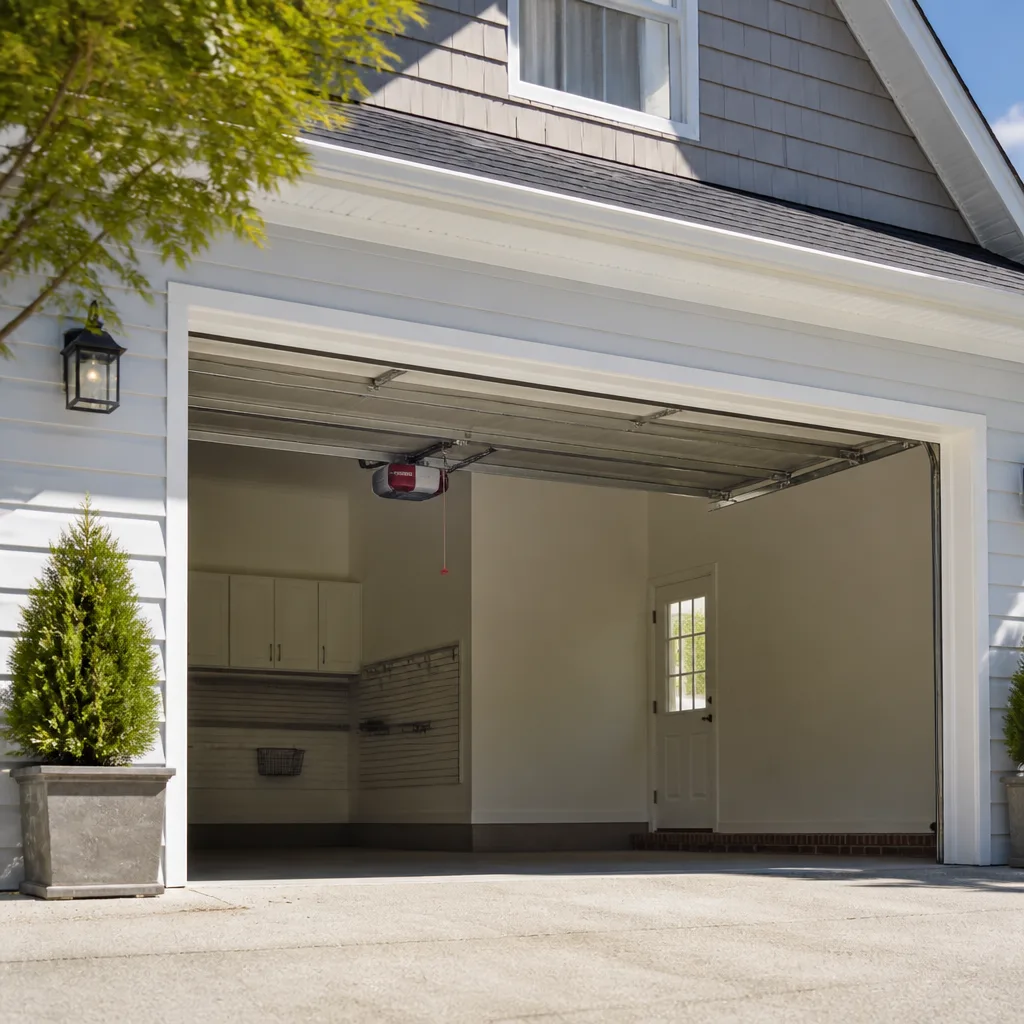 LiftMaster openers
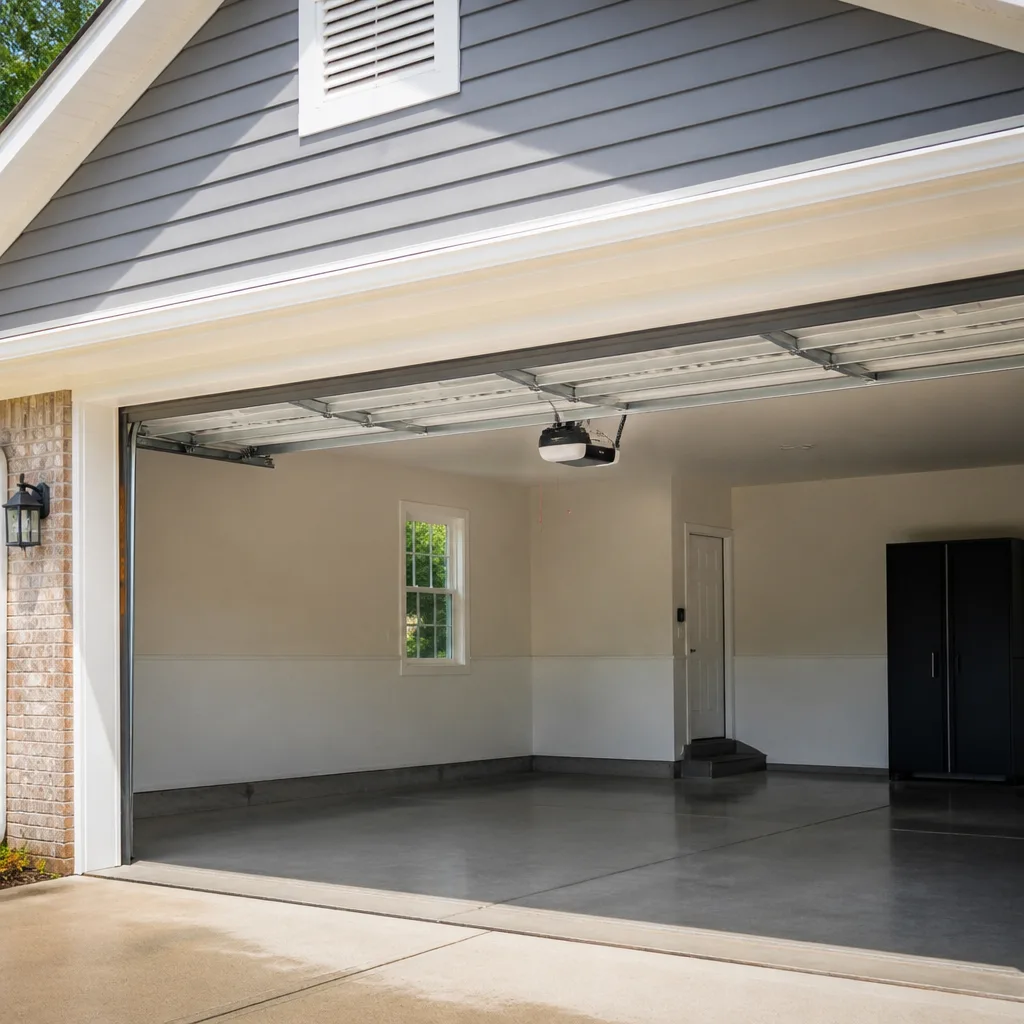 Chamberlain openers
Full 25-point door and opener safety check with every visit - springs, cables, rollers, tracks, and your LiftMaster or Chamberlain opener included
You get a price before we start. It does not change when the truck arrives.
Get your free estimateSeasonal Garage Door Care for Sunrise Manor: Year-Round Homeowner’s Guide
Most seasonal garage door guides were written for a climate that Sunrise Manor doesn’t have. They tell you to winterize in October, worry about ice in the tracks, and rinse road salt off the bottom seal before the first freeze. You don’t get a freeze and you don’t get road salt. What you get instead are two long, punishing seasons and two short, forgiving ones, and the parts of your door that fail here fail for reasons the national guides don’t mention: relentless sun, heat that can warp a panel’s alignment, and monsoon microbursts that slam the valley in late summer. This guide remaps the garage door calendar to the way Sunrise Manor actually works. You’ll learn what to check in each of four real windows, how long UV exposure takes to eat a bottom seal, why your opener sometimes quits in the midafternoon heat, and when a problem is a ten-minute adjustment versus a call.
Quick Answer
Garage door care in Sunrise Manor follows a four-window calendar, not four traditional seasons: pre-summer prep in April, a peak-heat protocol from May through September, a monsoon-transition check from late August through October, and a full service window from November through March. The two biggest local threats are UV degrdation of weatherstripping and threshold seals, and thermal expansion that can knock panels out of alignment during the hot months. Tracks, hardware, and openers all need attention in these windows too, but the timing is driven by heat and sun, not by freezing temperatures.
Styles & brands we work with
- Raised-panel steel
- Carriage house
- Modern flush
- Full-view glass
- LiftMaster openers
- Chamberlain openers
Table of Contents
- Why Standard Seasonal Advice Doesn’t Fit Sunrise Manor
- The Four-Window Sunrise Manor Garage Door Calendar
- UV Degradation: The Real Deadline for Seals and Gaskets
- How Monsoon Microbursts Stress Your Tracks
- Opener Thermal Cutout: What Those Error Codes Mean
- Panel Finish Care for West- and South-Facing Doors
- Common Mistakes to Avoid
- When to Call a Professional
Why Standard Seasonal Advice Doesn’t Fit Sunrise Manor
The standard advice assumes winter is the enemy. In most of the country, garage doors fail because water gets into the tracks, freezes, and splits them, or because ice builds up under the bottom seal and tears it when the door opens. Sunrise Manor doesn’t deal with any of that. Our winter is the mildest, easiest stretch of the year for a garage door, which is exactly why the national guides fall short when you try to apply them.
What we do deal with is heat. A lot of it. And the way heat fails a garage door is different from the way cold does. Cold makes materials brittle. Heat makes them expand, soften, dry out, and slowly break down at the molecular level when UV light hits them day after day. The parts of your door that take the most direct sun are the parts that age fastest, and in Sunrise Manor those parts age faster than the same parts would in almost any other climate in the country.
There’s a second local factor the generic guides skip: the monsoon. Late summer storms roll through the Las Vegas Valley with sudden, violent wind gusts, and those gusts load the door and tracks in ways that dry heat never does. A door that’s been baking in the sun for three months and has loosened hardware is more vulnerable to that wind, not less.
So when we talk to homeowners here, we don’t talk about winterizing. We talk about four real windows in the calendar year, each with its own checklist. The framing sounds simple, but it changes what you actually do and when you do it.
The Four-Window Sunrise Manor Garage Door Calendar
Think of the year as four windows rather than four seasons. Each one asks something different of your door, and each has a short list of tasks that matter. If you get these four windows right, you’ll catch most problems before they turn into a repair call.
Window 1: Pre-Summer Prep (April)
April is the last comfortable stretch before the heat locks in, and it’s the best month to get ahead of summer. This is the window where you want to inspect everything and fix anything that’s marginal, because once the heat is here, working on a door in a hot garage is unpleasant and some materials behave differently at temperature.
- Check the bottom seal and threshold gasket for cracks, stiffness, or gaps. If either one has started to harden, replace it now rather than in July.
- Test the door balance. Disconnect the opener (pull the release handle) and lift the door by hand to about waist height. It should stay put or move easily, not hang heavy or slam down. A door that’s out of balance is being worked harder by the opener, and that matters more when it’s hot.
- Inspect and tighten hardware. Rollers, hinges, and the bolts that hold them should be snug. Heat expansion and daily cycling gradually loosen fasteners.
- Lubricate the moving parts with a garage-door-specific lubricant on the rollers, hinges, and springs. Skip the tracks themselves unless the manufacturer says otherwise; grease in the tracks collects grit.
- Look at the panels for warping or gaps where the sections meet. Any misalignment now will get worse by August.
Window 2: Peak-Heat Protocol (May through September)
This is the stretch that separates Sunrise Manor from most of the country. Your job during the hot months is mostly monitoring, not maintenance. Watch for these signs:
- A bottom seal that’s starting to crack or curl at the edges after a few seasons of sun.
- Panels that look slightly out of line or that catch when the door is moving.
- An opener that runs but hesitates, stops partway, or throws a code on a hot afternoon.
- New noises: scraping, popping, or a track that sounds like it’s binding.
If any of these show up, note the time of day and the conditions when it happens. That detail helps a technician diagnose the problem faster. And resist the urge to force the door open and closed repeatedly to “work it out” – that’s how a small alignment issue turns into a bent track.
Window 3: Monsoon-Transition Check (Late August through October)
As the monsoon season winds down, do a post-storm inspection. The microbursts that come through the valley can knock the door’s alignment out of true even if nothing looks broken at a glance.
- Close the door and look at the gaps along the sides and bottom. A gap that wasn’t there in spring is a sign the tracks or panels shifted.
- Run the door slowly and listen. Grinding, popping, or a door that seems to move unevenly suggests the tracks need attention.
- Check the track brackets and mounting points for anything that looks loose or bent. Wind load can flex the tracks even when the door itself is fine.
- Clean out debris that wind pushed into the tracks, then re-lubricate the hardware you cleaned.
Window 4: Mild-Season Full Service (November through March)
This is the easy window, and it’s the best time for anything that requires more than a quick check: a full hardware service, a planned replacement of worn parts, or scheduling a new installation if your door is at the end of its life. Our winters are mild enough that you can work in the garage comfortably and materials are at a stable temperature. If your door needs new panels or a new opener, this is the stretch to line it up.
UV Degradation: The Real Deadline for Seals and Gaskets
Bottom seals and threshold gaskets are the parts most affected by Sunrise Manor sun, and they fail on a predictable timeline. Most garage door bottom seals and threshold gaskets last somewhere in the range of three to five years of sun exposure before the rubber or vinyl starts to harden and crack. In direct-sun conditions like ours, plan on the shorter end of that range, especially on a door that faces west or south.
The trick is that a UV-damaged seal doesn’t always fail dramatically. It hardens first, which turns a seal that once flexed into one that can crack at the edges and start letting in dust, wind, and the occasional insect. Then the cracks widen. By the time you can see daylight under the door, the seal is well past its useful life.
Here’s a practical replacement trigger list:
- The seal feels stiff or brittle to the touch instead of pliable.
- You can see cracks, tears, or missing chunks at the edges or bottom.
- Daylight shows under the closed door in more than one spot.
- The seal has been in place for three or more years and has taken direct sun.
- There’s a visible gap that wind and dust push through.
When you replace a bottom seal, replace the threshold gasket at the same time if it’s showing the same wear. They age on the same clock, and replacing them together saves you another round of work later. This is one of the parts of garage door repair that’s straightforward to get right – if the seal is measured correctly and installed without pinching. A seal that’s too short will pull out; one that’s too tight will bind the door’s travel.
How Monsoon Microbursts Stress Your Tracks
Dry heat alone mostly affects the top of your door and the seals and finish. Wind is a different stress. The microbursts that come through the Las Vegas Valley during monsoon season can generate sudden, strong gusts that push on the door with a force it wasn’t designed to absorb. In a lot of homes the door is the largest moving panel facing the weather. That gust load can flex the tracks, loosen the brackets that hold them to the wall, and knock the door’s vertical alignment out of true.
A door that’s been sitting through a hot summer with slightly loosened hardware is more likely to shift than a door that’s been maintained. This is why the monsoon-transition check matters so much here: the storm is the trigger, but the door’s condition is what determines whether it comes through clean. If you notice the door struggling to close evenly after a storm, or if one side of the door lags behind the other, that’s a track or alignment issue, not something to ignore and hope it settles.
A good way to tell the difference between a minor issue and a track problem: close the door slowly and watch the gaps on both sides. If one side is noticeably tighter than the other, or if the door catches partway down, the tracks need a professional look. Don’t try to bend the track back by hand – that’s a good way to make it worse and load the door unevenly.
Opener Thermal Cutout: What Those Error Codes Mean
If your opener sometimes refuses to cycle in the midafternoon heat and then works fine in the evening, you’re probably seeing thermal cutout. Smart openers, including many LiftMaster, Chamberlain, and Genie units, have built-in protection that shuts the motor down when the internal temperature gets too high, and a hot garage in mid-summer can push those electronics into that zone. The opener throws a code, refuses to run, and then behaves normally once things cool off.
The codes are mostly a warning, not a failure. But they’re still worth knowing:
- A code that appears only during the hottest part of the day and clears on its own points to thermal protection, not a broken motor.
- A code that stays after the opener cools at night, or comes with unusual cycling, points to a problem in the control board, sensor, or motor.
- A code the opener throws while the door is partway open is more serious and needs attention.
What you don’t want to do is keep forcing the opener through thermal shutdown. Each time it tries to run while overheated, it pushes the motor and board harder than they were designed to work. If your opener is cutting out on hot afternoons, treat it as a signal to investigate rather than a quirk to live with. Our garage door opener repair work starts with an accurate diagnosis: we check the motor, the safety sensors, the wiring, and the door’s own balance before recommending anything. An opener that’s pushing a heavy, out-of-balance door is working harder and running hotter than it should. Fixing the door’s balance sometimes solves the thermal problem entirely.
Homeowners who’ve been told the safer move is a full replacement before a diagnosis deserves a second opinion. A Raynor or LiftMaster unit that’s cutting out from heat is often recoverable. The right first step is figuring out whether the issue is the opener, the door’s balance, or the garage environment itself.
Panel Finish Care for West- and South-Facing Doors
Panel finish takes the most punishment on doors that face west or south, because those orientations get the direct afternoon sun. The finish on a steel or aluminum door is what protects the metal underneath, and when it fades or breaks down, the metal is exposed. You’ll see it first as chalky or dulled paint, then as small cracks or a finish that feels rough to the touch.
What helps:
- Wash the door periodically with a mild soap and water to remove dust and grit that hold heat and speed up breakdown.
- Check the finish every spring. Run your hand across the panel. If it feels chalky or the color has shifted, the finish is degrading.
- Touch-up matters. Small chips or scratches in the paint should be touched up to keep the metal sealed, especially on older doors.
- Watch for panel warping at the top and bottom sections. Thermal expansion can push panels out of alignment, and a warped panel won’t close evenly no matter how good the finish is.
If the door is old and the finish is failing across the panel, repainting or refinishing can buy you several more years. If the panels themselves are warping, refinishing won’t fix the alignment; that’s when a panel replacement or a new installation is the right conversation. Either way, we start with an accurate diagnosis before recommending anything.
Common Mistakes to Avoid
- Applying winter-focused advice to a Sunrise Manor door. Ice and salt aren’t your problems; sun and heat are. Any maintenance calendar that assumes freezing weather is going to point you at the wrong tasks.
- Waiting for a seal to tear before thinking about it. A UV-damaged bottom seal is often hardened long before it cracks. If it’s been in the sun for three or more years, plan the replacement instead of waiting for a visible failure.
- Forcing an overheated opener. If the opener cuts out in the midafternoon heat, don’t keep cycling it. That’s the way a thermal-protection event turns into a motor problem.
- Bending a bent track back into place by hand. Track alignment takes measurement, not muscle. A hand-bent track loads the door unevenly and can turn a small adjustment into a full replacement.
- Greasing the tracks themselves. Lubricant in the tracks attracts grit that accelerates wear. Keep the lubricant on the rollers, hinges, and springs.
- Assuming a hot-day error code means the opener is dead. Many of those codes are a thermal warning. The right move is a diagnosis, not a replacement call.
- Ignoring wind damage after a monsoon. A door that’s slightly out of line after a storm will drift further out of true. Catch it in the transition window.
When to Call a Professional
Some issues are safe to handle yourself: cleaning tracks, checking seals, replacing a worn bottom seal, keeping hardware tight. Others need a trained technician. If your springs look worn, if a cable is frayed or loose, or if the door feels dangerously heavy when you lift it, stop and call someone. Rusted or failing torsion springs are under high tension, and working on them without the right tools and training is dangerous.
Call us if the door won’t close evenly or catches partway, if a panel is visibly warped, if an error code stays after the opener has cooled, or if you’ve had a storm and the door no longer looks aligned. We work on Raynor and LiftMaster and six other major brands, and we diagnose before recommending any repair. We’re a garage-door-only shop, and that focus is the point. Olympus Garage Door Service offers free estimates in Sunrise Manor – call (877) 359-8085.
It’s also worth calling before you assume a replacement is needed. A door that’s out of balance, or an opener that’s cutting out from heat, can often be brought back to working order once the actual cause is identified.
See the difference
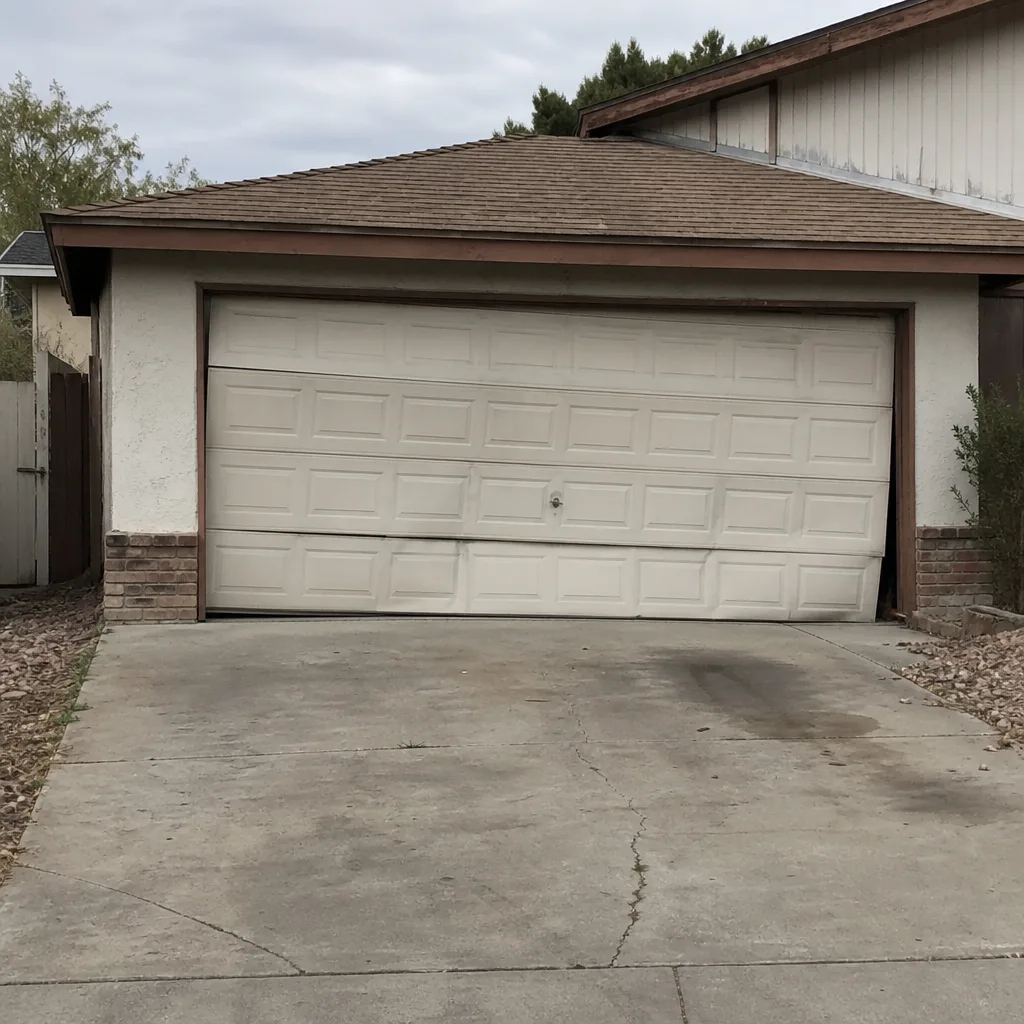 Before
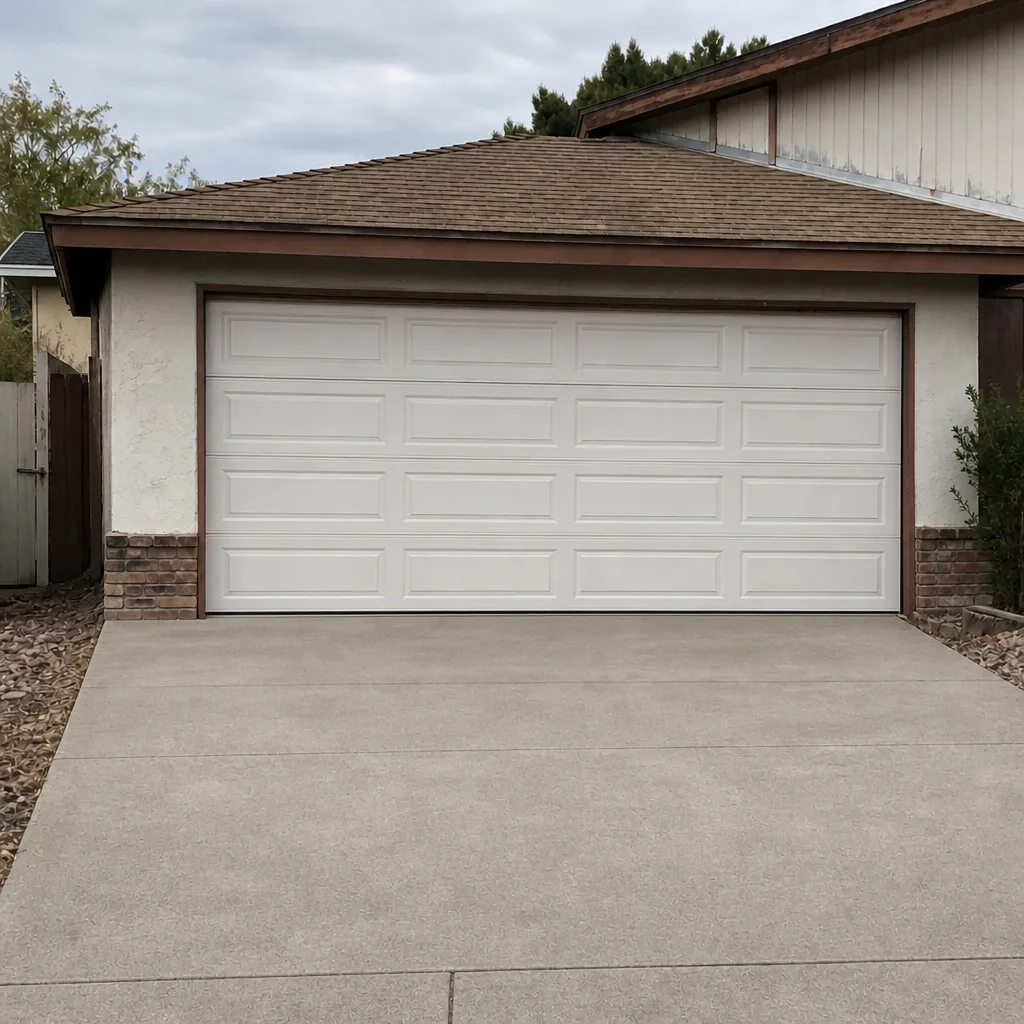 After
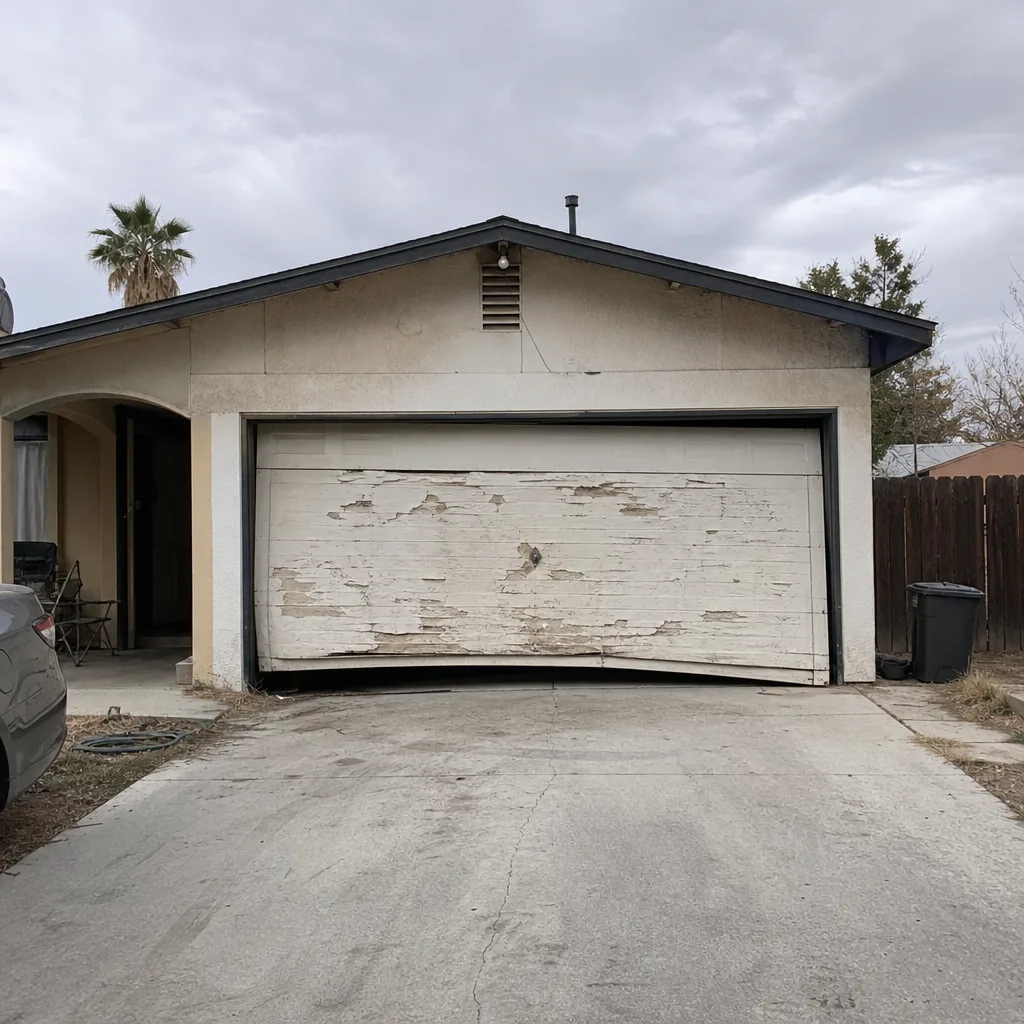 Before
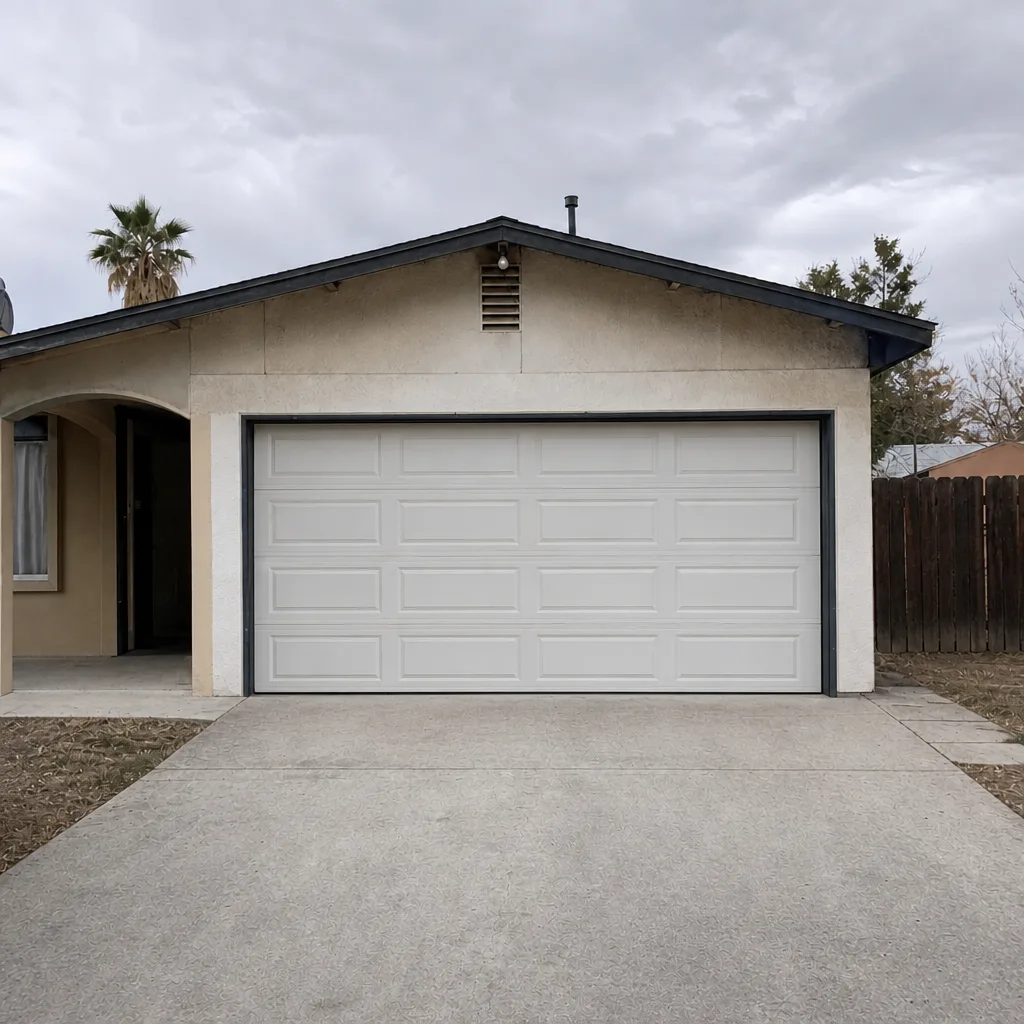 After
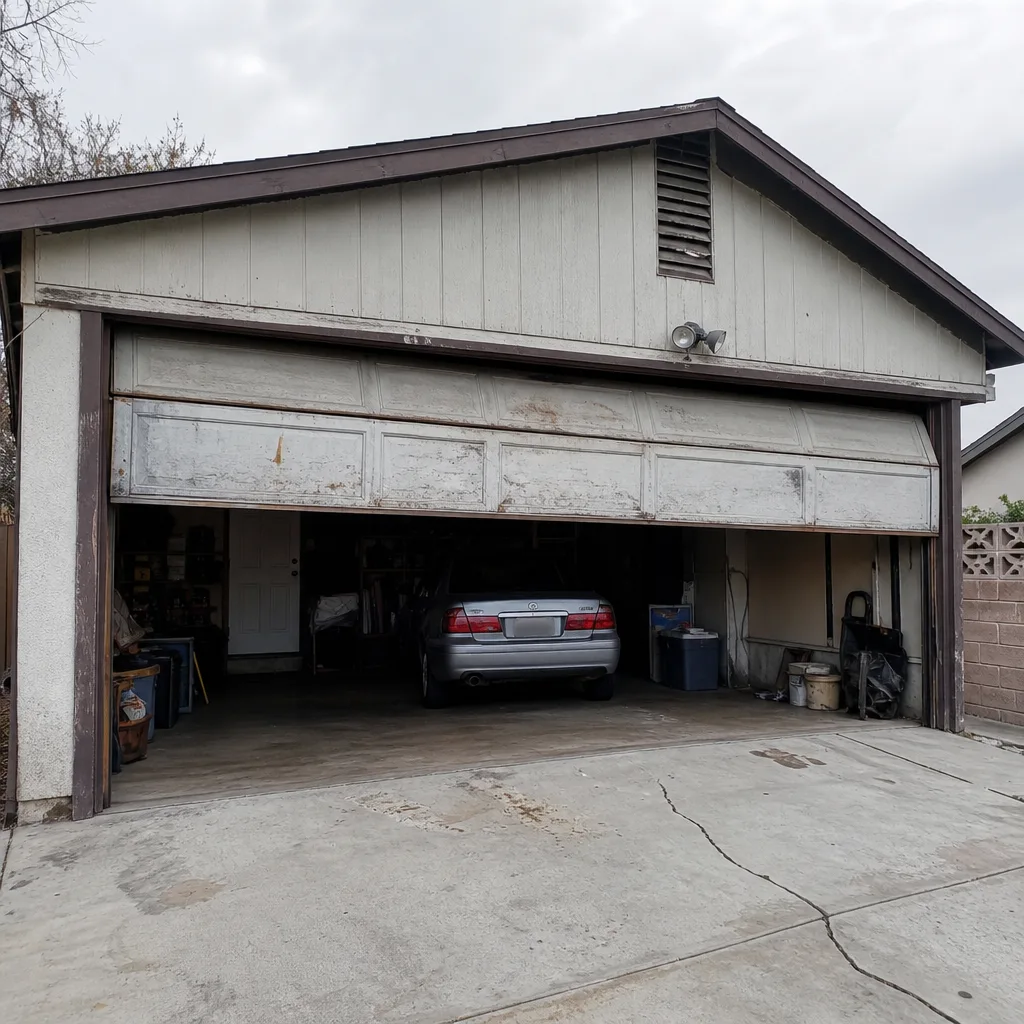 Before
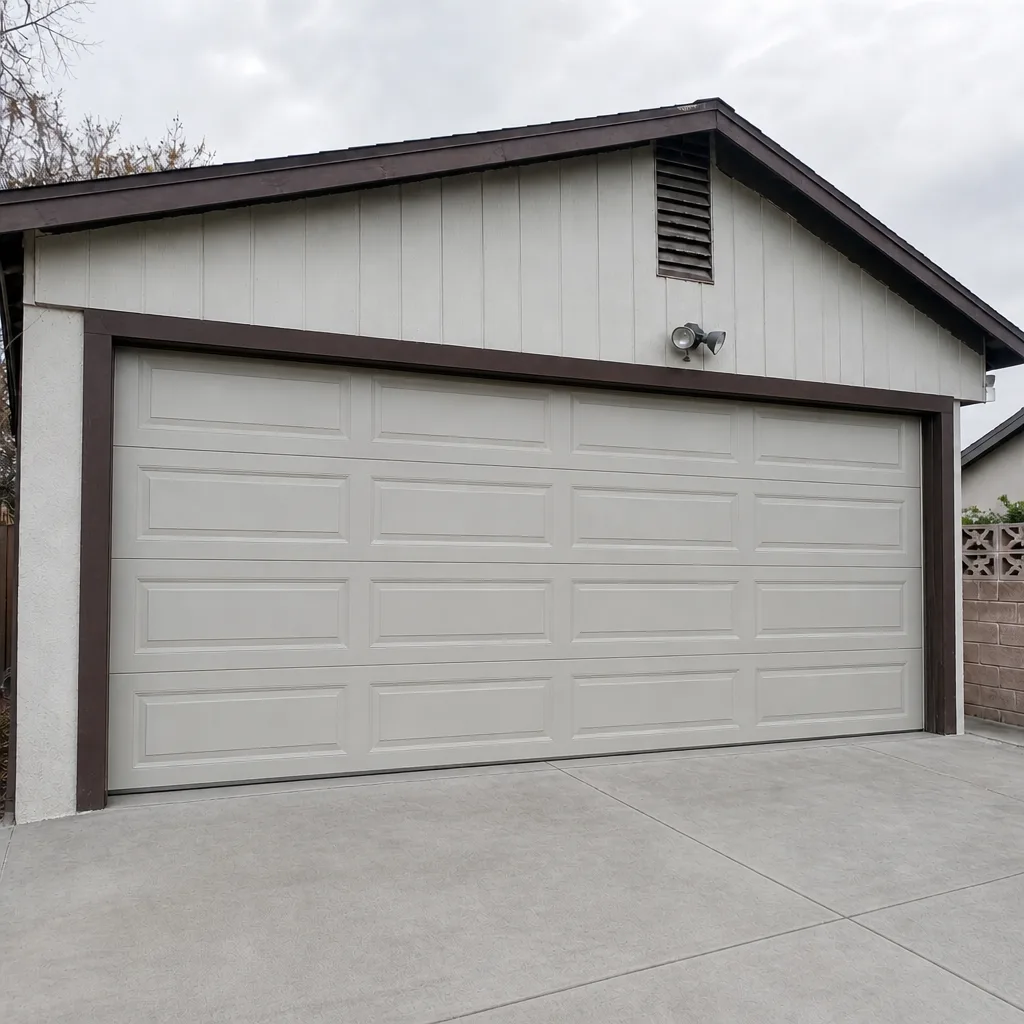 After
Frequently Asked Questions
The most important task is checking and replacing the bottom seal and threshold gasket on a realistic schedule, because UV exposure is the thing that wears them out fastest here. Most seals last three to five years, and in direct sun they trend toward the shorter end. If your seal feels stiff or is starting to crack, that’s the signal to replace it, not the point where you wait a little longer.
It probably isn’t broken. Many modern openers have thermal protection that shuts the motor down when the garage gets too hot, and a hot midafternoon garage can trigger it. If the opener works again once it cools, that points to thermal cutout rather than a failed motor. Still worth a diagnosis, because an opener fighting a heavy or out-of-balance door will run hotter than it should. Call (877) 359-8085 for a free estimate on a proper diagnostic check.
Once or twice a year is usually enough for most doors, ideally at the start of a season. Spring is a good time for the rollers, hinges, and springs, and late fall is a good second pass. Keep the lubricant off the tracks – that’s the part homeowners get wrong most often.
A strong enough microburst can flex the tracks and loosen the brackets even on an otherwise healthy door, though a well-maintained door is far less vulnerable. The key is to check alignment after a storm rather than assuming everything is fine because the door still opens. Close it slowly, look at the gaps on both sides, and listen for any new sounds.
Replacing a bottom seal is a reasonable DIY job if the measured length is right and the door is balanced, but getting the fit wrong causes binding or the seal pulling out in the first season. If the seal has been hardened for a while, or if the door is showing alignment problems, it’s better to have a professional inspect it. A new seal on a door with bent tracks won’t stay in place. Call (877) 359-8085 if you’re not sure.
Not automatically. A door that’s faded but structurally sound and well balanced is often a repaint or refinished panel, not a replacement. If the panels are warped or the finish is failing across the whole door, that’s the point to talk about a new installation. We diagnose before recommending, and we don’t push replacement as the first answer.
The Bottom Line
Sunrise Manor doesn’t give you four traditional seasons, and if you follow winterizing advice built for freezing weather, you’ll spend your attention on problems you don’t have. Build your year around four windows instead: April prep, May through September monitoring, a late-August-through-October post-monsoon check, and November through March for the bigger work. Watch the seals for UV wear, know the signs of opener thermal cutout, keep the panel finish on sun-facing doors protected, and take a monsoon storm seriously. If you need a hand reading what your door is telling you, garage door repair and garage door opener repair are what we do, along with new installations, and we start with an accurate diagnosis every time. Olympus Garage Door Service covers Sunrise Manor and the wider valley with a garage-door-only focus, and we work on LiftMaster, Chamberlain, Genie, Raynor, and four other major brands. One call covers the door, the opener, and the installation. Call (877) 359-8085. We answer 24/7. Fast dispatch from 7am to 7pm, Sunday through Friday.
For a look at the wider area we serve, see Sunrise Manor, and for the full range of what we do, our Olympus Garage Door Service home page has the overview. Your door, your brand, our expertise – and a calendar built for the climate you actually live in.
Written by the team at Olympus Garage Door Service, serving Sunrise Manor since 2013.