
Last updated November 14, 2026
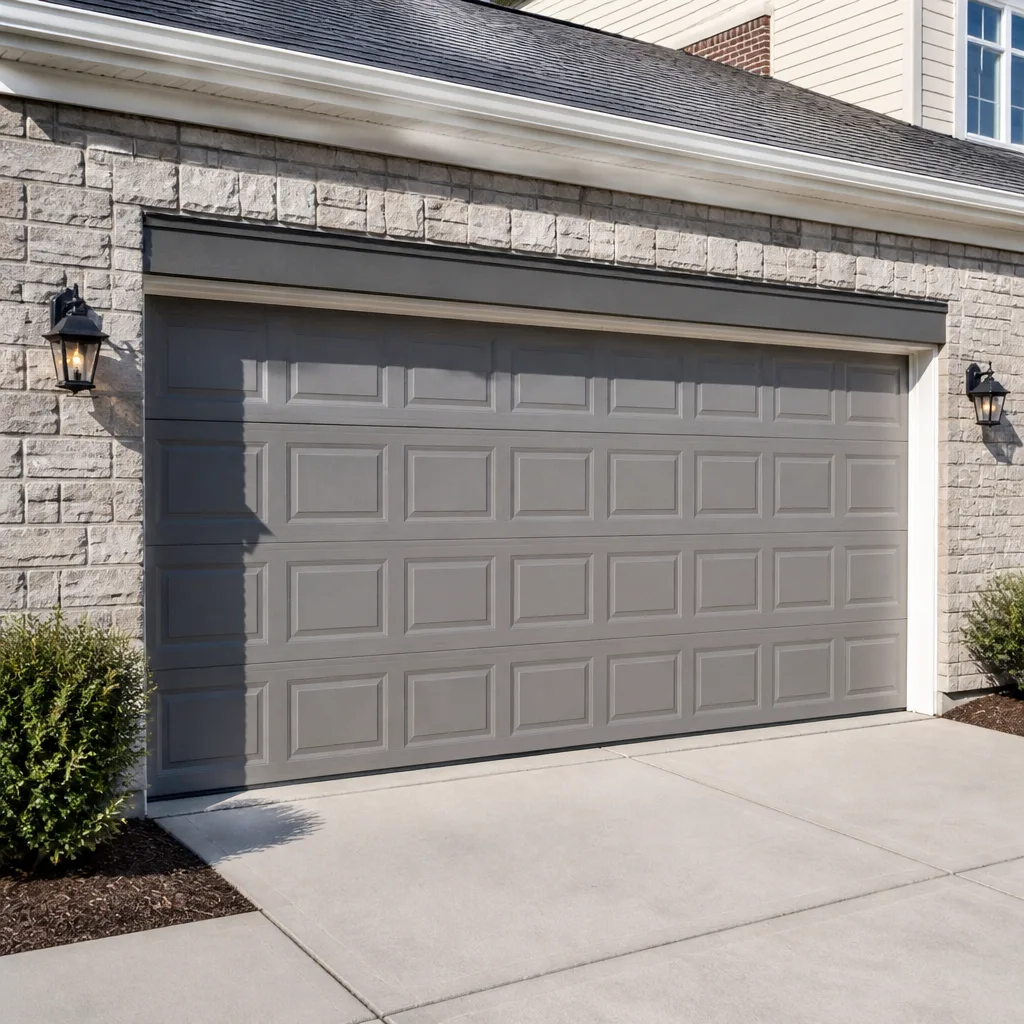 Raised-panel steel
 Carriage house
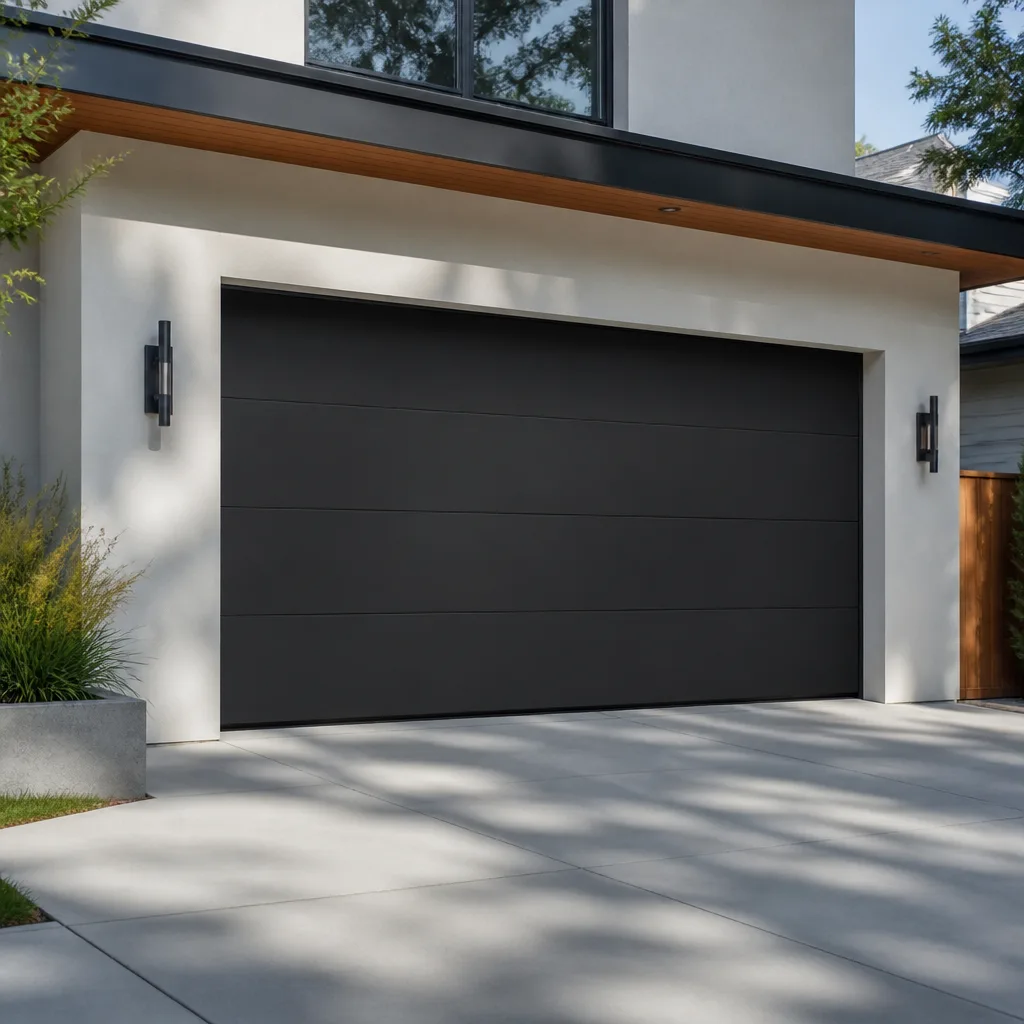 Modern flush
 Full-view glass
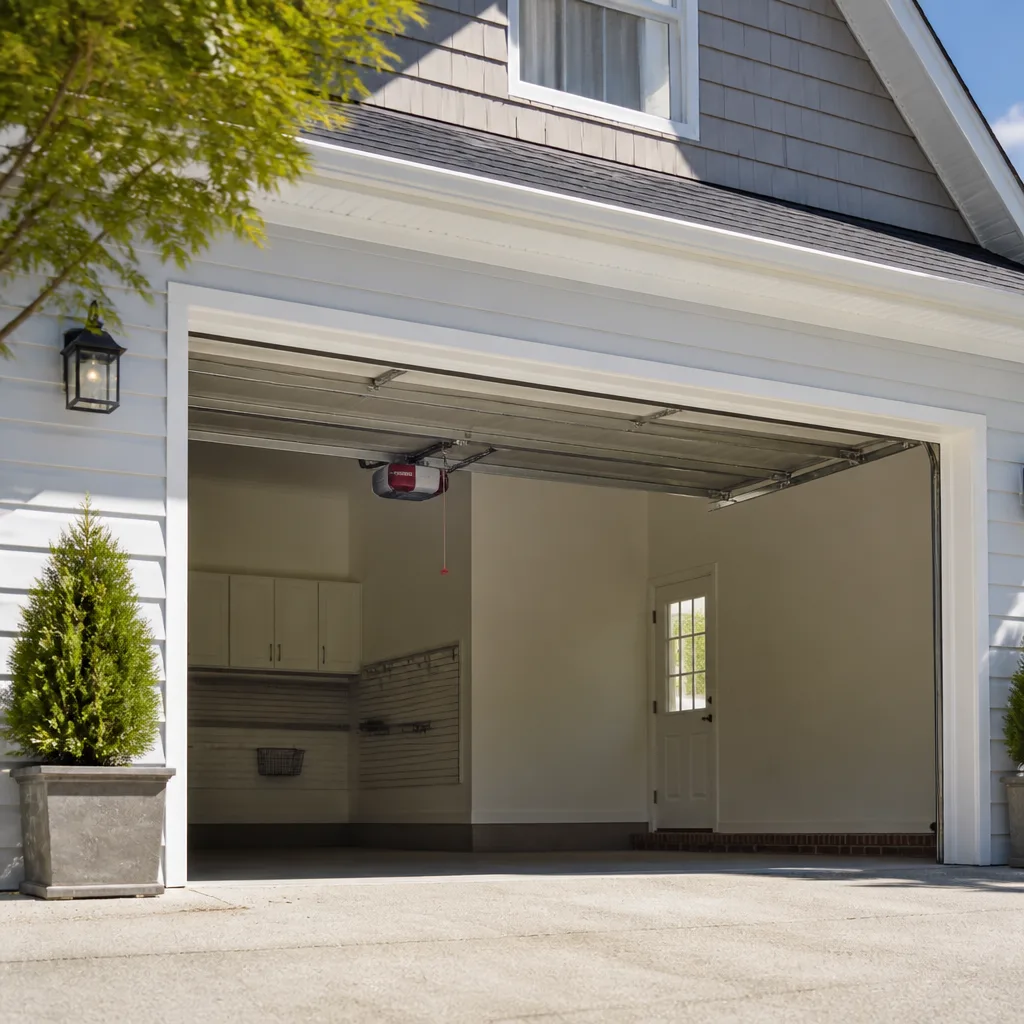 LiftMaster openers
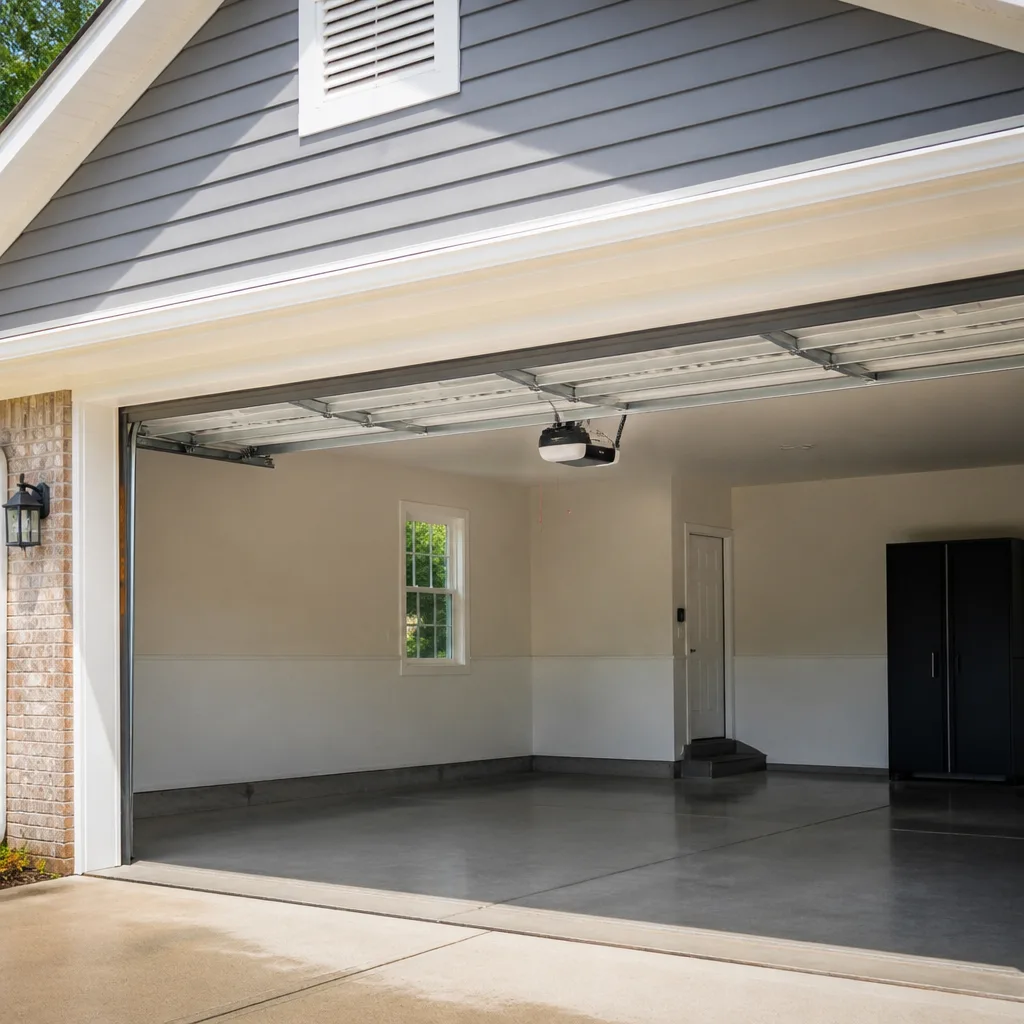 Chamberlain openers
Full 25-point door and opener safety check with every visit - springs, cables, rollers, tracks, and your LiftMaster or Chamberlain opener included
You get a price before we start. It does not change when the truck arrives.
Get your free estimateGarage Door Repair Maintenance Schedule: What to Do and When
Most garage door maintenance advice you’ll find online was written for a mild climate that doesn’t exist here. The standard manufacturer interval for torsion springs assumes roughly 10,000 cycles at a 70°F average. In Sunrise Manor, a garage can swing from 55°F at night to 120°F by afternoon, and that same spring accumulates equivalent metal fatigue in 30 to 40 percent fewer cycles. So a calendar built for Ohio will leave you replacing springs early and chasing problems you could have caught. This guide gives you a maintenance schedule built around the real stressors of the Mojave: thermal shock, alkaline dust, and UV that ages rubber and plastic years ahead of the book.
Quick Answer
In Sunrise Manor, plan on a light monthly check of the safety reverse, balance, and rollers, a deeper seasonal service in April before the heat peaks and again in December as temperatures drop, and a professional inspection once a year. Lubricate springs, hinges, and rollers every three to four months with a silicone or lithium-grease product, not a thin petroleum spray, because desert heat thins those out. Replace bottom seals and weather stripping every two to three years instead of the five or more a temperate climate allows.
Styles & brands we work with
- Raised-panel steel
- Carriage house
- Modern flush
- Full-view glass
- LiftMaster openers
- Chamberlain openers
Table of Contents
- Why Sunrise Manor Needs Its Own Maintenance Calendar
- The Monthly Check: Three Things You Can Inspect Yourself
- The Sunrise Manor Month-by-Month Calendar
- Which Lubricants Survive Desert Heat (and Which Fail)
- UV and Heat: Real Replacement Intervals for Seals and Rollers
- How to Keep a Maintenance Log That Pays for Itself
- The Annual Tasks That Need a Technician
- Common Mistakes to Avoid
- When to Call a Professional
Why Sunrise Manor Needs Its Own Maintenance Calendar
The maintenance interval printed on most garage door components assumes a stable, moderate temperature. Your door doesn’t get that. In Sunrise Manor, the metal in your door and opener expands through the day and contracts at night, and that constant flexing works against hinges, springs, and the door’s own frame. A torsion spring doesn’t just wear from opening and closing. It wears from the temperature cycling that stresses the steel even when the door sits still.
Then there’s the dust. Desert air carries fine alkaline grit that works its way into tracks, rollers, and hinge pivots. Left alone, it acts like sandpaper on moving parts. UV is the third stressor: direct sun bakes the rubber bottom seal and weather stripping until they dry, crack, and stop sealing. A component rated for five years in a mild climate can be shot in two or three here.
What this means for you is that a generic “lubricate twice a year” rule is too little, too late. The schedule in this guide front-loads the work before summer and again as winter arrives, because those are the two moments your door’s components are under the most mechanical stress. If you already suspect something is off, our garage door repair team can diagnose it, but the goal of this schedule is to keep you out of that situation.
The Monthly Check: Three Things You Can Inspect Yourself
A five-minute look once a month catches most problems while they’re still cheap to fix. Do these three checks yourself. They’re safe and they don’t require tools beyond your hands and eyes.
- Test the safety reverse. Put a roll of paper towels or a 2×4 flat on the ground under the door and close it. The door should reverse on contact. If it doesn’t, stop using the opener and have it serviced.
- Check the balance. Disconnect the opener (pull the release handle) and lift the door halfway by hand. It should stay put. If it drifts down or shoots up, the springs are out of balance and need a professional.
- Listen and look at the rollers. Open and close the door and watch the rollers in the track. They should roll smoothly, not wobble, and the door should run quietly. Grinding, squealing, or a visible wobble means a roller or track issue is developing.
These three checks tell you whether the door’s two non-negotiables, safety and balance, are holding. They won’t catch everything, but they’ll flag the problems you don’t want to discover when you’re late for work. Keep the results short in your log (more on that below) so you can spot a trend before it becomes a failure.
The Sunrise Manor Month-by-Month Calendar
Yes, the season matters more than the month, but here’s how the year breaks down in Sunrise Manor. Treat this as your master calendar and adjust when the weather runs early or late.
- January – February: Winter contraction check. Cold nights tighten metal and can reveal loose hinges and track connections. Lubricate and tighten hardware.
- March: Pre-summer inspection. Test the balance and safety reverse, and look at the bottom seal for cracks before the heat sets in.
- April: Pre-summer heat prep. This is the big one. Full lubrication of springs, hinges, and rollers with a heat-stable product. Check the opener’s force settings before the door starts expanding in the heat.
- May – June: Watch for thermal expansion symptoms: a door that binds or a track that seems to shift. Confirm the opener’s safety sensors are aligned and clean.
- July – August: Peak heat. Check the bottom seal and weather stripping for UV cracking. Listen for new noises as metal reaches its hottest expansion.
- September: Monsoon dust flush. Clean the tracks and wipe down rollers and hinges to clear accumulated grit before it grinds. Re-lubricate after cleaning.
- October – November: Cooling transition. Re-check balance as temperatures drop and metal contracts. Tighten any hardware that loosened over summer.
- December: Winter contraction check. Inspect seals, test the safety reverse again, and note any component that’s due for replacement in your log.
Notice the two anchors: April and December. Those are the points where your door’s components transition between stress modes, so that’s when the real work happens. The rest of the year is monitoring and the September flush.
Which Lubricants Survive Desert Heat (and Which Fail)
This is where a lot of well-meaning homeowners go wrong. The standard advice is to grab a can of spray lubricant and hit the moving parts. In Sunrise Manor, that advice can make things worse. Thin, petroleum-based sprays and general-purpose oils thin out above 100°F. Once they do, they run off the part they were meant to protect, leaving the spring, hinge, or roller dry and exposed to dust. Some attract grit instead of repelling it.
What holds up in desert heat:
- Silicone spray for tracks and door rollers. It stays put, doesn’t attract dust the way oil does, and won’t gum up in the heat.
- Lithium grease for springs, hinges, and the opener’s chain or screw drive. A heavier grease holds viscosity at high temperatures and stays where you put it.
What to avoid: thin penetrating oils, WD-40 as a lubricant (it’s a solvent, not a long-term lube), and any product that runs off a warm surface. The test is simple. Put a drop on a warm metal surface; if it thins and spreads, it won’t survive July. Buy a dedicated garage door lubricant rated for high temperatures and keep the can in the garage so you actually use it on schedule. We keep the right products on hand for the doors we service, including the opener mechanisms on brands like LiftMaster, Chamberlain, and Genie, because the drive type changes which lubricant you use.
UV and Heat: Real Replacement Intervals for Seals and Rollers
Manufacturer timelines assume moderate sun. Your door gets full desert exposure, and that changes the math. Here’s what we see in Sunrise Manor compared with the manufacturer’s typical minimum.
- Bottom seal: Manufacturer minimum often says five or more years. In full sun here, plan on two to three. Once it’s cracked or hard, it stops sealing and lets dust and heat in.
- Weather stripping: Same story. Two to three years in exposed positions, longer on shaded sides. Check it every spring.
- Nylon rollers: UV and heat make nylon brittle. Expect three to five years instead of the longer service a cooler climate allows. Steel rollers with sealed bearings hold up better in heat but need regular lubrication.
- Springs: The cycle estimate is the real limit, not the calendar, but heat accelerates fatigue. A spring rated for 10,000 cycles at 70°F is doing more equivalent work per cycle here. Track your cycle count and watch for the early warning signs: a door that feels heavy, or one that no longer stays up when balanced.
Our rule of thumb is to inspect every component at the April and December anchors and replace on condition, not on the manufacturer’s calendar. If a seal looks fine in December and gone in July, the heat did it, and that’s normal here. A thorough look at seal and roller wear is part of any annual service, and it’s one of the reasons to get a proper diagnosis rather than guessing from a generic schedule.
How to Keep a Maintenance Log That Pays for Itself
A maintenance log sounds like busywork until the day you have to decide between repairing a door and replacing it. The data in that log is what tips the decision. Here’s what to record, and why each field matters.
- Brand and model. Note the door manufacturer (Clopay, Amarr, Wayne Dalton, Raynor, and others) and the opener brand and model (LiftMaster, Chamberlain, Genie, Craftsman, and so on). This tells any technician what parts and settings apply. It also tells you whether a repair is straightforward or a brand-specific job.
- Date each component was installed. Especially the springs. A spring’s remaining life is a function of cycles and heat exposure, so the install date is the anchor.
- Estimated cycle count. A rough count: how many times a day the door opens and closes, times how many days. Two cars leaving and returning is four cycles a day. Over a year, that adds up fast, and it’s what determines spring life.
- Service history. Date, what was done, what part was replaced. When a technician asks “when were the springs last replaced,” you’ll have an answer instead of a shrug.
- Monthly check results. A quick note on balance and safety reverse, so you can see a slow decline.
When a repair estimate comes in, compare it against the log. If the springs are near their cycle estimate and the door is showing other wear, replacement may make more economic sense than another round of repairs. If the door is young and only one part is failing, repair is the clear call. Either way, you’re deciding with facts instead of a gut feeling. A technician who respects accurate diagnosis will want to see that log, and we ask for it on every service call.
The Annual Tasks That Need a Technician
Some of this schedule you can handle. Some of it you absolutely should not. Torsion springs and the cables that run with them store enough energy to cause serious injury, and adjusting them requires a torque wrench and a spring-tension gauge used by someone who knows what they’re reading. This isn’t a “watch a video and try it” job.
Leave these to a trained technician:
- Spring tension adjustment and replacement. The springs are under high tension and can release violently if handled wrong.
- Cable inspection and replacement. Cables are under tension and fray over time. A failed cable is a safety hazard.
- Torque checks on hinges and hardware. A torque wrench ensures fasteners are set correctly, not just snug.
- Opener force and travel limit settings. Getting these right is a safety matter, and it’s brand-specific. A LiftMaster or Genie opener has its own adjustment procedure.
- Track alignment. A bent or misaligned track can bind the door and stress the opener. Straightening it takes the right tools and know-how.
A yearly professional inspection covers all of this in one visit and catches the problems before they strand you. Opener issues, in particular, deserve their own diagnostic attention, which is why we treat garage door opener repair as a distinct service rather than an add-on to door work. If you’re not sure whether a noise is a door problem or an opener problem, that’s exactly the call a specialist should make.
Common Mistakes to Avoid
- Following a temperate-climate schedule. A “twice a year” rule assumes mild temperatures. In Sunrise Manor, you need the April and December anchors plus monthly checks, or you’ll be behind on wear.
- Using thin petroleum spray as lubricant. It thins above 100°F and runs off, leaving parts dry. Use silicone or lithium grease rated for heat.
- Skipping the September dust flush. Monsoon-season grit grinds into tracks and rollers if you don’t clean it out. Clean first, then lubricate.
- Replacing only one spring of a matched pair. Springs are replaced in pairs because they wear together. A single replacement leaves you with an uneven, stressed system, and the pair will fail soon after.
- Ignoring the bottom seal until it’s shredded. By the time you notice heat and dust coming in, the seal has been failing for a year. Check it every spring and replace on condition.
- Adjusting springs yourself. Torsion springs store dangerous energy. This is a job for a technician with the right tools, every time.
- Not keeping a log. Without install dates and cycle estimates, you can’t tell whether a repair is worth it or whether replacement is the smarter call.
When to Call a Professional
Call a technician when the door won’t stay up when you balance it by hand, when the safety reverse fails, when you hear a loud snap from the springs, or when a cable looks frayed. Call if the door binds, jerks, or comes off its track. Call if the opener runs but the door doesn’t move, or if it reverses for no reason. These are the situations where a trained eye saves you money and keeps you safe. Springs and cables are high-tension components; don’t try to adjust them yourself. Olympus Garage Door Service offers free estimates in Sunrise Manor. Call (877) 359-8085. We answer 24/7. Fast dispatch from 7am to 7pm, Sunday through Friday.
See the difference
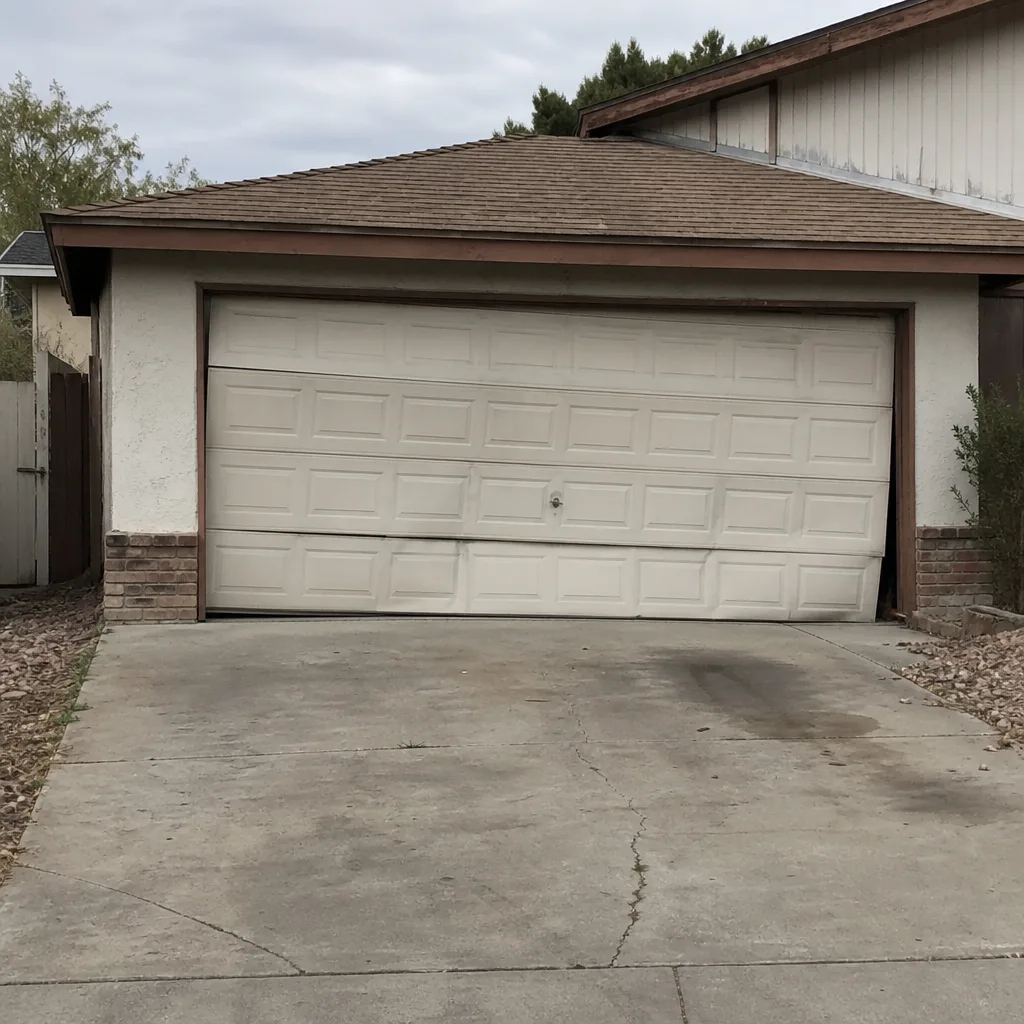 Before
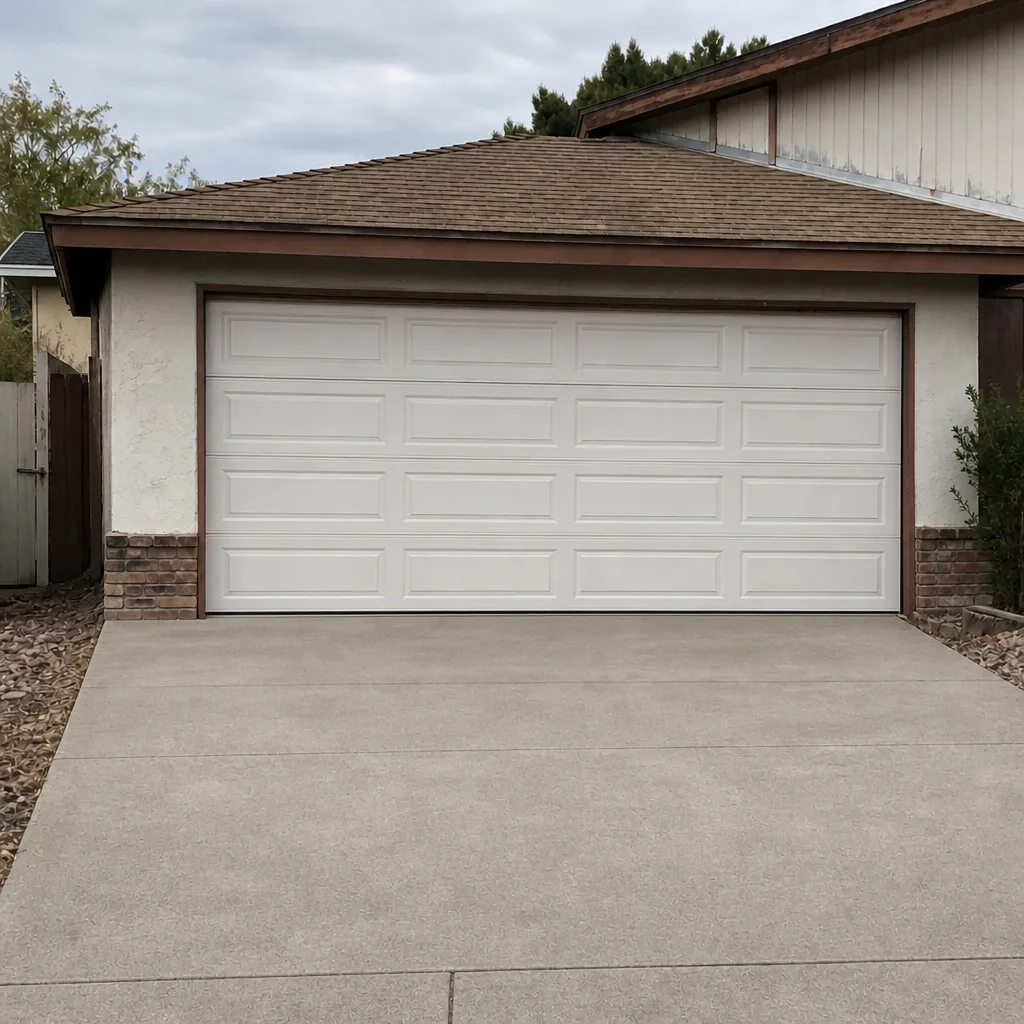 After
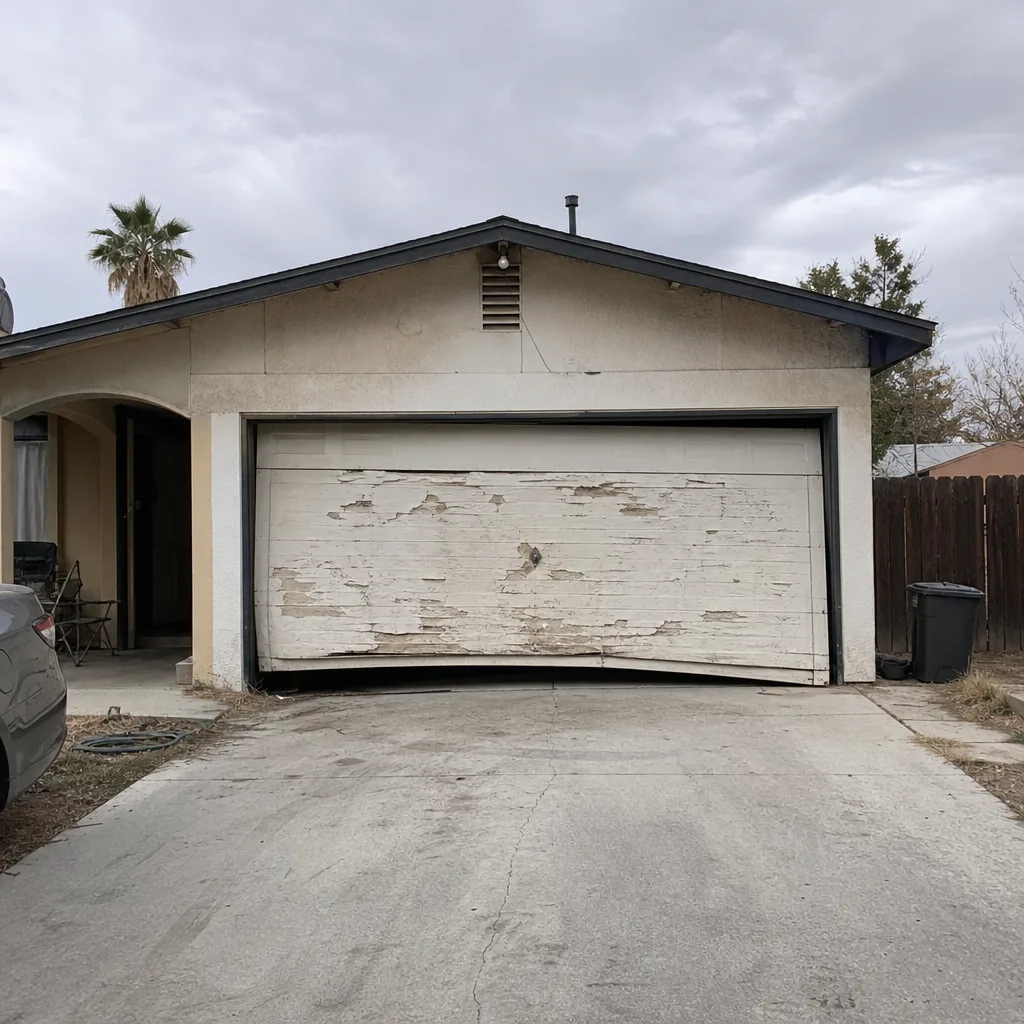 Before
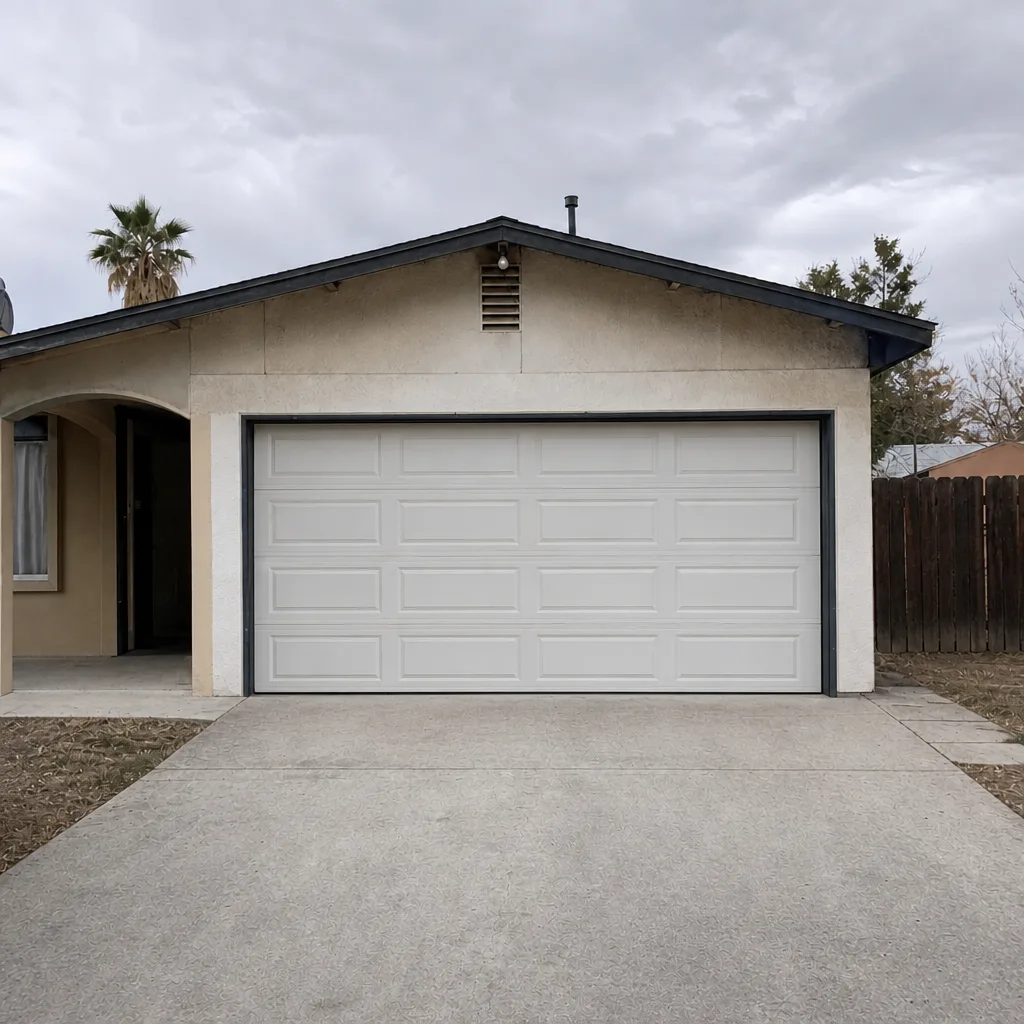 After
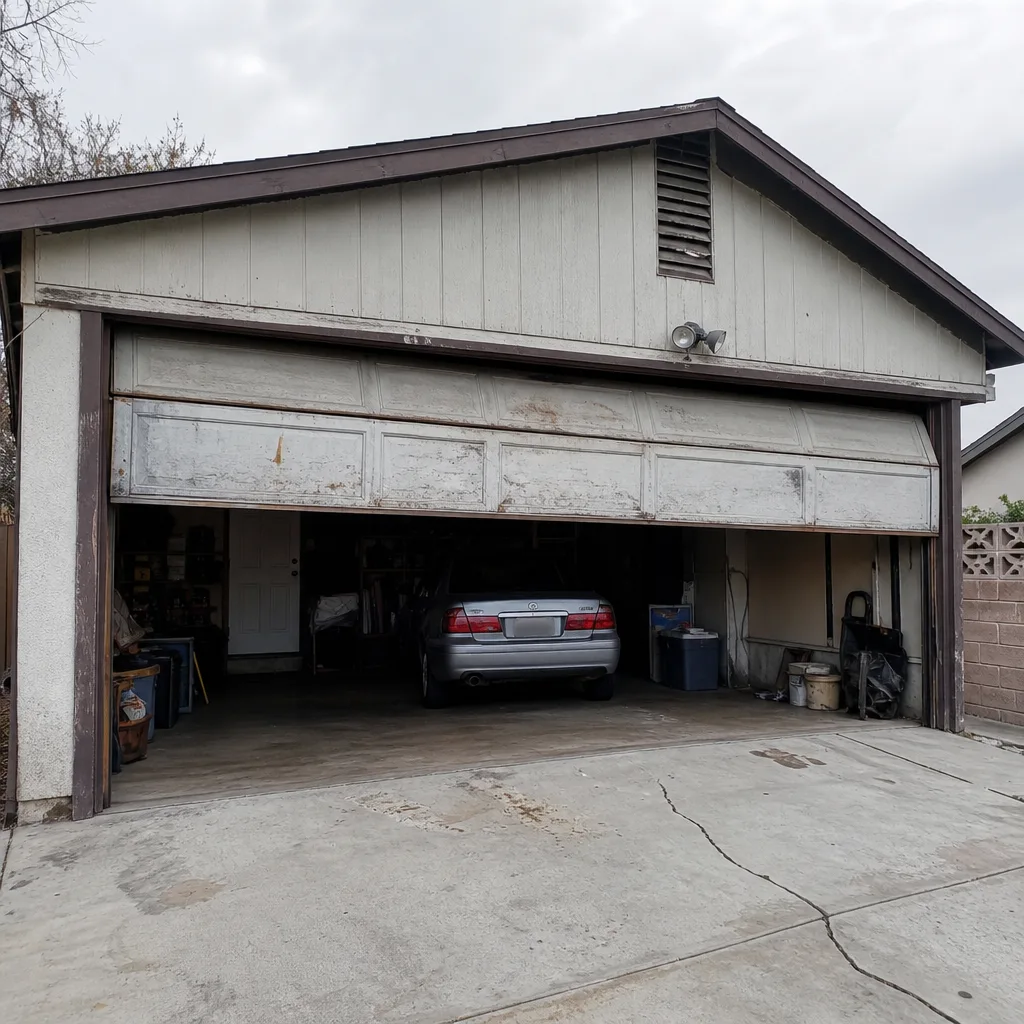 Before
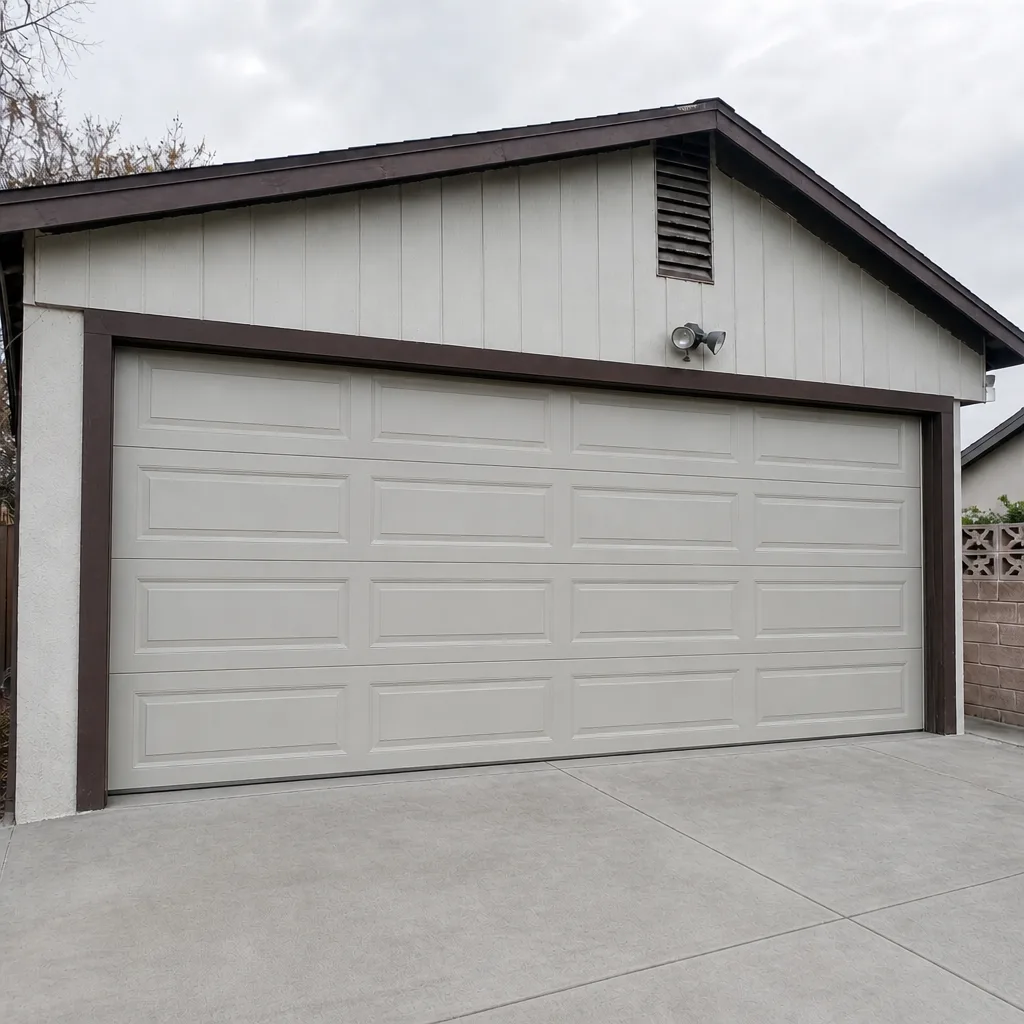 After
Frequently Asked Questions
Once a year professionally, with light monthly checks and lubrication every three to four months. The desert heat and dust make a temperate-climate twice-a-year schedule too thin, so add the April heat prep and the December contraction check to keep up.
You can apply lubricant to the springs without adjusting them, but never adjust or replace the springs yourself. Torsion springs are under high tension and can cause serious injury. Lubricate the visible coils and let a technician handle any adjustment.
UV exposure and heat break down rubber faster than in cooler climates. In Sunrise Manor, plan on replacing the bottom seal and weather stripping every two to three years instead of the five or more a temperate climate allows. Check them each spring.
Silicone spray for tracks and rollers, and lithium grease for springs and hinges. Avoid thin petroleum-based sprays and general-purpose oils, because they thin out above 100°F and run off. Buy a product rated for high temperatures.
The door feels heavy, won’t stay up when balanced by hand, or makes a loud snapping sound. Check your log for the install date and estimated cycle count. Springs wear from both cycles and heat, so in Sunrise Manor they can reach their limit sooner than the book says.
The fundamentals are the same, but opener settings and drive types differ by brand. LiftMaster, Chamberlain, and Genie openers each have their own adjustment procedures, and door brands like Clopay and Raynor have their own part specifications. That’s why we service specific brands rather than guessing.
The Bottom Line
Your garage door’s maintenance schedule in Sunrise Manor has to account for heat, dust, and UV, not a manufacturer’s temperate-climate timeline. Check balance and safety reverse monthly, lubricate every few months with heat-stable products, anchor the year with April heat prep and a December contraction check, and flush the tracks each September. Replace seals on condition, keep a log with install dates and cycle counts, and leave springs, cables, and opener settings to a technician. Do that and you’ll spend less on repairs and get more years out of the door. Olympus Garage Door Service works on Olympus Garage Door Service-grade systems across eight leading brands, so we can service the door you own without pushing a replacement you don’t need. Call (877) 359-8085 for a free estimate.
Written by the team at Olympus Garage Door Service, serving Sunrise Manor since 2013.