
Last updated November 14, 2026
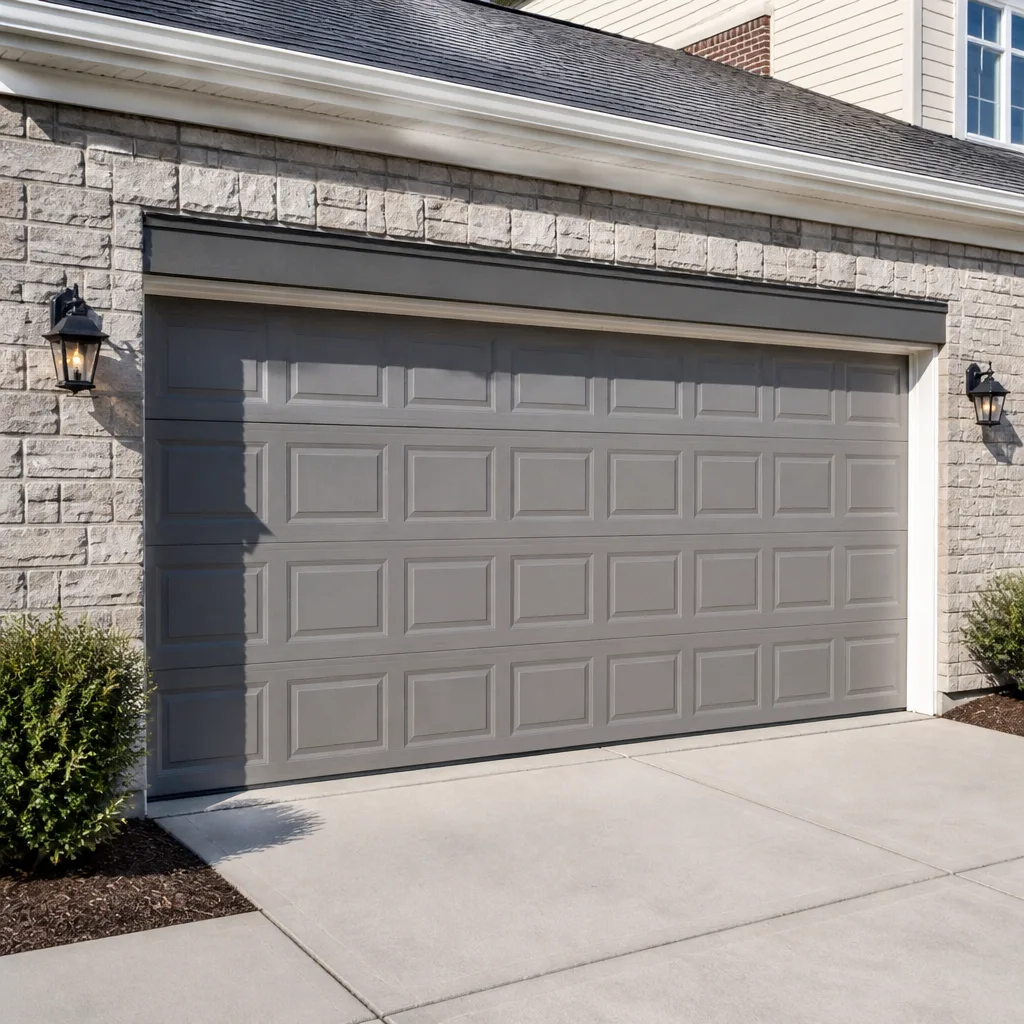 Raised-panel steel
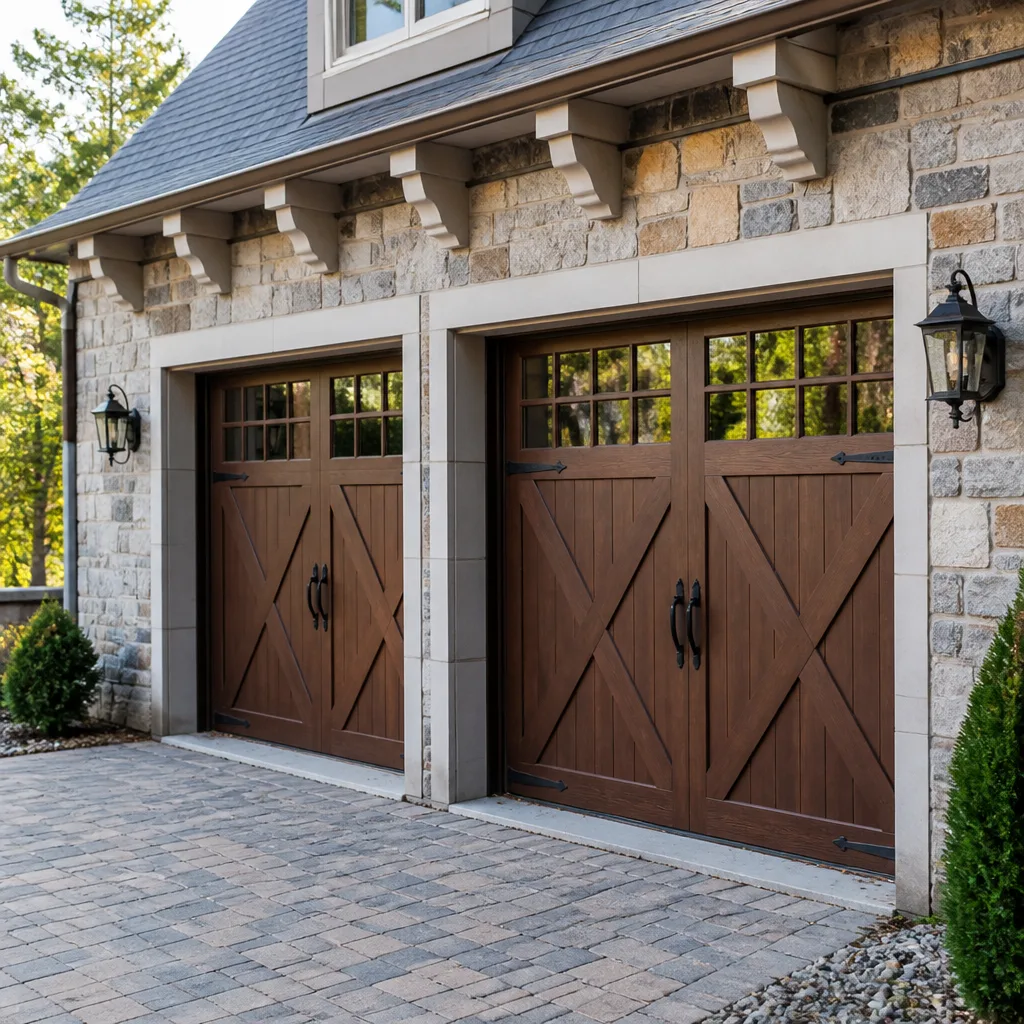 Carriage house
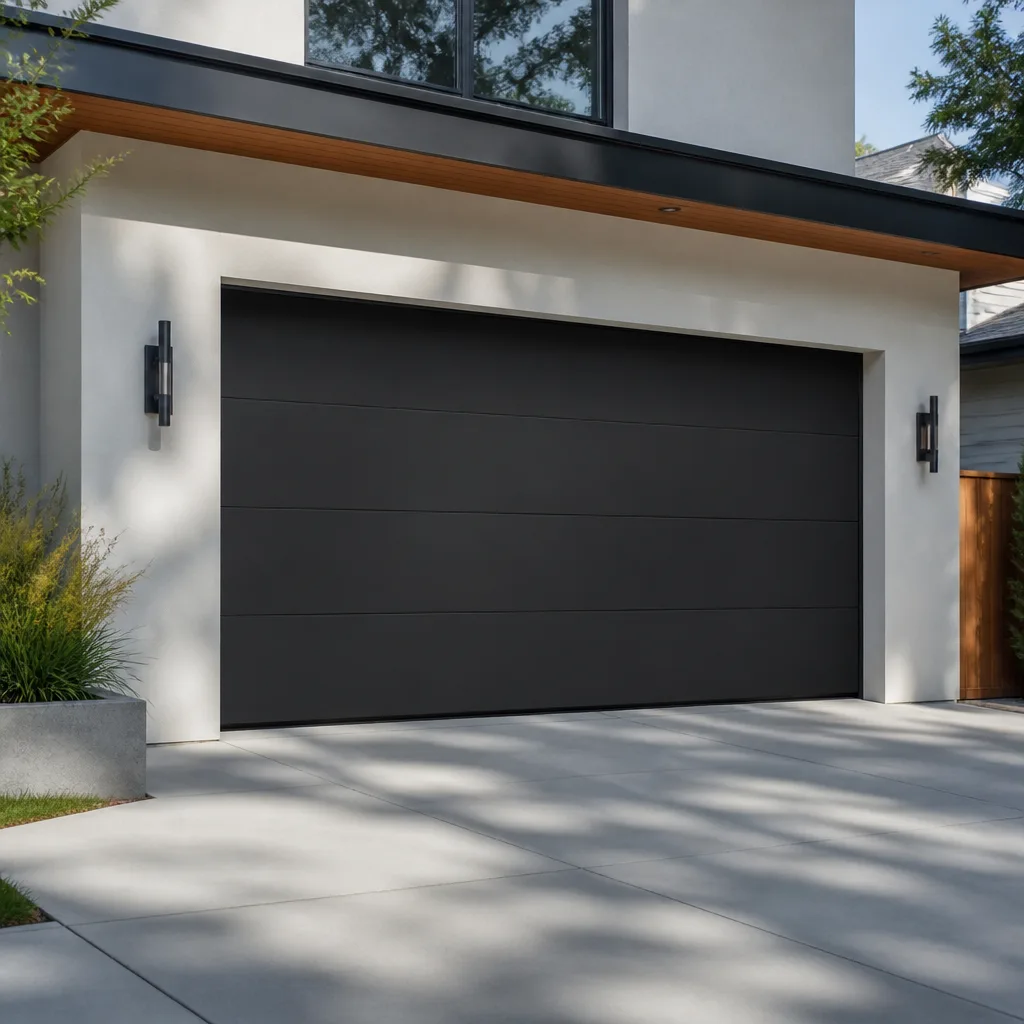 Modern flush
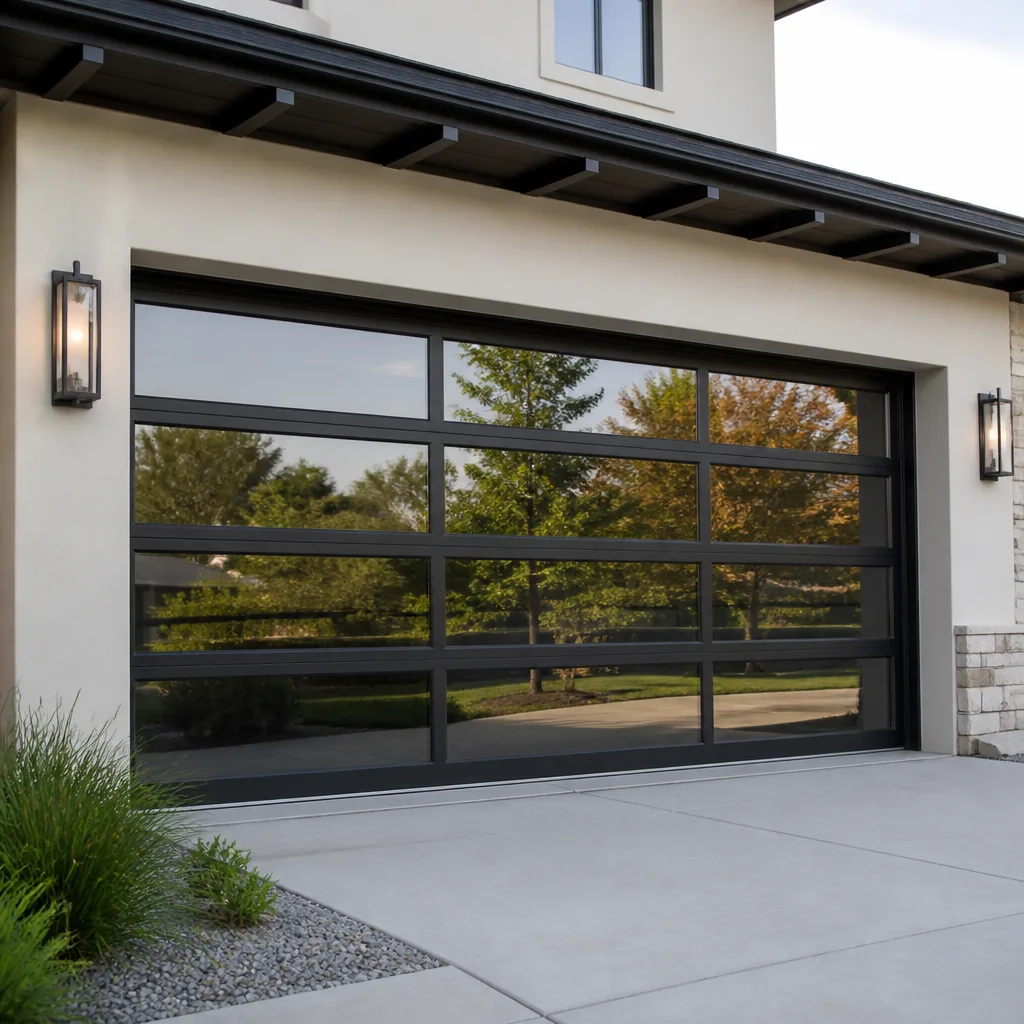 Full-view glass
 LiftMaster openers
 Chamberlain openers
Full 25-point door and opener safety check with every visit - springs, cables, rollers, tracks, and your LiftMaster or Chamberlain opener included
You get a price before we start. It does not change when the truck arrives.
Get your free estimateGarage Door Repair Maintenance Checklist for Sunrise Manor Homeowners
Most garage door maintenance checklists are written for a climate that doesn’t exist here. They tell you to lubricate in spring, watch for rust, and clear snow from the bottom seal. In Sunrise Manor, none of that matches the actual wear pattern. Our summers push interior garage temperatures past 120°F while the desert night drops 30 degrees or more, and that daily expansion and contraction works metal, seals, and opener components in ways a national checklist never accounts for. Add the caliche dust that settles into every threshold and hinge, and the order in which parts fail here is genuinely different. This guide gives you a prioritized inspection sequence built around what actually breaks first in Sunrise Manor, along with a service calendar calibrated to our heat cycles rather than a generic one printed in an owner’s manual.
Quick Answer
The most effective garage door maintenance routine in Sunrise Manor starts with the components that fail first in extreme heat: springs, cables, and rollers, in that order. Inspect those monthly during summer, lubricate with a high-temp lithium or moly grease (not standard silicone spray), and clear caliche dust from the bottom seal and hinges on the same schedule. Openers and safety sensors need an annual check, and a full professional tune-up is worth scheduling once a year before the heat peaks.
Styles & brands we work with
- Raised-panel steel
- Carriage house
- Modern flush
- Full-view glass
- LiftMaster openers
- Chamberlain openers
Table of Contents
- Why Heat Changes the Inspection Order in Sunrise Manor
- The Priority Inspection Sequence: What to Check First
- Lubricants That Survive 120°F and the Sprays That Attract Dust
- How to Spot Frayed Cables in a Dim Garage
- Bottom Seal and Threshold Checks for Caliche Dust
- Opener, Remote, and Safety Sensor Checks
- A Service Interval Table Built for Sunrise Manor Heat Cycles
- What Brand You Own and What It Means for Service
Why Heat Changes the Inspection Order in Sunrise Manor
The number-one source of premature spring failure in the Las Vegas Valley isn’t age or cycle count. It’s the temperature swing. A torsion spring rated for 10,000 cycles is tested at a stable temperature. When that same spring sits in a Sunrise Manor garage that climbs past 120°F by mid-afternoon and drops into the 80s overnight, the steel expands and contracts every single day. That constant flexing fatigues the metal faster than the cycle rating anticipates, and the failure usually shows up earlier than the manufacturer’s lifespan suggests.
This matters for your checklist because it reorders what to inspect. A standard guide tells you to start at the bottom seal and work up. In Sunrise Manor, the parts under the most thermal stress are the ones that should get your attention first:
- Torsion or extension springs – the highest-stress metal in the system, and the first to fatigue under daily heat cycling.
- Lift cables – they stretch and fray as the drum and spring tension shift with temperature.
- Rollers and hinges – the grease in their bearings cooks off faster in sustained heat.
- Bottom seal and threshold – the entry point for caliche dust that grinds into moving parts.
- Opener motor and sensors – the motor works harder when the door balance drifts, and heat stresses the control board.
We’ve seen this pattern across the Sunrise Manor neighborhoods we serve, whether it’s a Wayne Dalton door on a house near Nellis or a Craftsman opener in a garage off Las Vegas Boulevard North. The heat doesn’t care what brand you own. It cares how often the metal moves, and here it moves every day.
The Priority Inspection Sequence: What to Check First
Work through this sequence once a month during the hot months and every other month the rest of the year. It’s ordered by failure risk in Sunrise Manor, not alphabetically or top-to-bottom like most checklists. Print it, tape it inside the garage, and follow the numbered steps in order.
- Balance test first. Disconnect the opener (pull the release cord) and lift the door halfway by hand. It should stay put. If it drops or rises on its own, the springs are out of balance, and that’s the earliest sign of fatigue. Don’t run the opener until this is checked.
- Visual spring inspection. With the door closed, look at the torsion spring above the door (the coil on a shaft) or the extension springs along the tracks. A visible gap in the coil, a stretched section, or a rust line means the spring is compromised. Do not touch or adjust it yourself – torsion springs are under extreme tension and can cause serious injury. Call a trained technician.
- Cable check. Look at both lift cables where they wind onto the drums at the top corners. You’re looking for fraying, kinks, or a cable that’s jumped off the drum. We cover how to see this in a dim garage in the cable section below.
- Roller and hinge inspection. Run the door up a foot and look at the rollers. They should turn freely. Flat spots, cracks, or a roller that won’t spin means it’s time to replace them. Check each hinge for loose screws and worn metal.
- Track alignment. Stand back and sight down both tracks. They should be straight, parallel, and free of dents. A track that’s bent or pulling away from the wall needs professional attention.
- Bottom seal and threshold. With the door closed, check the seal against the floor along its full width. Any gap, tear, or hardened rubber lets caliche dust in. More on this below.
- Opener and safety sensors. Test the auto-reverse by placing a roll of paper towels in the door’s path and closing it. The door should reverse on contact. Then check that both safety sensors at the bottom of the tracks have their indicator lights on and are aimed at each other.
That’s about twenty minutes of work. Do it in the cool of the morning, not at 3pm when the garage is hottest and the metal is at its most expanded. If anything in steps 1, 2, or 3 looks wrong, stop and call for garage door repair before you run the door again.
Lubricants That Survive 120°F and the Sprays That Attract Dust
The single most common lubrication mistake we see in Sunrise Manor garages is reaching for a can of standard silicone spray. It’s the product most homeowner guides recommend, and it’s the wrong one for this climate. Thin silicone sprays evaporate off hot metal within days, and their residue is tacky enough to catch the caliche dust blowing through an open garage. You end up with a sticky paste on your rollers and hinges that does more harm than good.
What works better in sustained heat is a heavier, high-temperature lubricant. Look for:
- Lithium grease or white lithium grease in a tube or spray – it holds up to heat far better than silicone and stays put on hinges and rollers.
- Moly (molybdenum disulfide) grease – excellent for the torsion spring and the bearing plates, where metal-on-metal contact under heat is the concern.
- Silicone spray, used sparingly and only on weather seals – it’s fine for keeping the bottom rubber supple, but it doesn’t belong on the moving metal parts.
Apply lubricant to the torsion spring, the bearing plates at each end of the shaft, the hinges, and the roller stems. Don’t lubricate the tracks themselves – a dry track is a clean track, and grease in the tracks collects dust and creates drag. Wipe off any overspray and clean the tracks with a rag instead. For a LiftMaster or Chamberlain opener chain, a light chain lubricant is appropriate, but check the owner’s manual for the specific model you own. Standard sprays break down above 120°F, so if the can doesn’t list a high-temp rating, it’s not the right product for a Sunrise Manor garage. If your opener is making grinding or straining noises after you’ve lubricated the door, that’s a sign to look at garage door opener repair rather than adding more grease.
How to Spot Frayed Cables in a Dim Garage
Garage doors are usually the darkest part of the house, and that’s where cable problems hide. Fraying starts small – a few broken strands near the drum – and by the time it’s obvious, the cable is close to failing. You don’t need special tools to catch it early, but you do need the right light and the right angle.
Here’s the protocol we recommend for checking cables in low light:
- Use a bright LED flashlight, not the garage’s overhead bulb. Shadows from a dim bulb will hide broken strands. A focused LED held at an angle across the cable makes individual strands visible.
- Check the drum end first. Look at where each cable winds onto the drum at the top corners of the door. That’s where fraying starts, because that’s where the cable bends most sharply under load.
- Run your eyes along the full length of the cable where it runs down the side of the door. Look for kinks, bird-caging (where the strands twist apart), and rust spots. A single broken strand is a warning sign; several means replace the cable.
- Check for slack. With the door closed, both cables should have tension. A sagging cable means the spring tension has drifted or the cable is coming off its drum.
- Look at the nicking points. Cables can fray where they contact the drum or pulley. A cable that’s started to wear a groove in the drum is on borrowed time.
Never touch a cable under tension or attempt to adjust one yourself. A snapped lift cable releases stored spring energy and can cause serious injury. If you see fraying in a Sunrise Manor garage, treat it as a stop-use condition and call a specialist. We service Raynor, Wayne Dalton, and every other major brand, so the cable you’re looking at is one we’ve seen hundreds of times.
Bottom Seal and Threshold Checks for Caliche Dust
Most maintenance advice treats the bottom seal as a water barrier. In Sunrise Manor, its more important job is keeping caliche dust out. Caliche is the powdery, mineral-heavy soil dust that blows across the valley and settles on everything. When a bottom seal goes bad, that dust works its way under the door and into the garage, where it coats the tracks, lodges in the hinges, and grinds between the rollers and the track. Over time it accelerates wear on every moving part in the system.
A proper bottom seal inspection here looks different from a general weatherstripping check. Use this protocol:
- Shine a light under the closed door from outside at night. Any light leakage along the bottom is a dust leak. Gaps at the corners are the most common.
- Check the seal rubber itself. Pick a spot along the bottom edge. The rubber should flex easily. If it’s hardened, cracked, or has compressed flat spots, it’s not sealing anymore. Desert heat hardens bottom seals faster than in cooler climates.
- Inspect the threshold for cracks and level changes. Caliche dust collects in cracks and gets pushed into the garage as the door sweeps over them. A threshold with gaps or a slope in the wrong direction won’t seal no matter what seal you install.
- Check the seal ends and the sides. Dust doesn’t just come under the door – it comes in at the sides where the door meets the jamb. Look for gaps at the corners where the bottom seal meets the side trim.
- Replace the seal during the cool months if it’s worn. A new seal installed in summer heat can sit badly once the temperature swings. Early morning or a cooler day gives a better fit.
If the seal has hardened or torn on your door, a replacement bottom seal is one of the least expensive fixes in the trade and one of the most effective for protecting the rest of the system. If the door itself has warped at the bottom from heat, that’s a bigger conversation, and sometimes the answer is repair. If the panel is beyond saving, a new installation makes more sense. We talk through the Olympus Garage Door Service options for both when we’re out for an estimate.
Opener, Remote, and Safety Sensor Checks
The opener is where a lot of Sunrise Manor garage door problems hide. When a door comes off its balance, the motor works harder to move it, and the extra load shows up as strain, noise, or eventual failure in the opener. That’s why opener checks come after the door balance check – if your door is out of balance, no amount of opener maintenance will fix the root problem. Opener repair is its own discipline, not an afterthought to door repair, which is why we treat the two separately in our diagnostics.
Run this check once a year, or any time you notice a change:
- Listen to the motor. A healthy opener runs at a steady hum. Grinding, rattling, or a motor that surges means something is out of adjustment or the gears are wearing.
- Test the safety sensors. Both sensors should have solid indicator lights. Wave your hand between them while the door is closing – it should reverse immediately. If a sensor’s light is flickering or off, it’s either out of alignment or the lens is dirty with dust.
- Check the remotes. Press each remote and make sure the door responds smoothly. If a remote has to be held close or pressed repeatedly, the battery or the receiver is the likely culprit.
- Inspect the mounting hardware. The opener is bolted to the ceiling and the door header. Check that the brackets are tight and the rail is straight.
- Check the light and the safe-T-beam alignment. A door that reverses for no reason when the garage is warm often has a sensor lens clouded with dust or a track that’s shifted with the heat.
For LiftMaster and Chamberlain openers with smart-home integration, an annual check of the app connection is worth adding. If the app can’t reach the opener or the door status is wrong, the module or the receiver needs a look. Give us a call for a free estimate before you replace an opener that might only need a sensor alignment or a new capacitor.
A Service Interval Table Built for Sunrise Manor Heat Cycles
Owner manuals print a maintenance schedule calibrated to a national average. In Sunrise Manor, the heat accelerates wear, so the intervals need to be tighter. This table is the schedule we recommend to homeowners in the valley, organized by component and by how hard the heat pushes it.
- Torsion or extension springs – visual check monthly in summer, every two months otherwise; professional inspection annually. Heat pressure: highest.
- Lift cables – visual check monthly; replace at the first sign of fraying. Heat pressure: high.
- Rollers and hinges – lubricate monthly in summer, every two months otherwise; replace worn rollers annually as needed. Heat pressure: high.
- Bottom seal and threshold – inspect monthly for dust leakage; replace worn seal every 2-3 years, sooner if it hardens fast. Heat pressure: high.
- Tracks – wipe clean and check alignment every two months; lubricate the rollers only, not the tracks. Heat pressure: moderate.
- Opener motor and chain/belt – full check annually; lubricate the chain per the manual. Heat pressure: moderate.
- Safety sensors and remotes – test annually and after any change in door behavior. Heat pressure: low but important.
- Full professional tune-up – once a year, ideally in early spring before the heat peaks. Heat pressure: cumulative.
The logic behind the tighter schedule is simple. Every hot day moves the metal. A spring that gets 365 expansion cycles a year instead of a few dozen doesn’t last as long, and a schedule built for a temperate climate will miss the fatigue. Adjust the intervals up if your garage gets direct afternoon sun, and down if your door is shaded or insulated. A shaded garage in Sunrise Manor still gets hot, but not as hot as one facing the afternoon sun with a west-facing door.
What Brand You Own and What It Means for Service
Maintenance advice is only as good as the technician applying it. If the person who shows up doesn’t know the specific door or opener, the checklist becomes guesswork, and guesswork often ends in a replacement recommendation you didn’t need. We work on eight of the most widely installed residential brands: LiftMaster, Chamberlain, Genie, Clopay, Amarr, Wayne Dalton, Craftsman, and Raynor. That matters here because a Sunrise Manor garage is likely to have one of them, and the maintenance quirks vary by brand.
A Wayne Dalton door with a torsion system has different spring and cable wear points than a Clopay steel door. A Craftsman opener from an older install may have a receiver that’s finicky in heat, while a newer LiftMaster has a control board that’s more robust but has its own sensor quirks. Knowing the brand means knowing which parts fail first and which ones to leave alone. It also means we’re not going to recommend swapping to a brand we happen to carry. Your door, your brand, our expertise.
When we do a tune-up or a garage door repair in Sunrise Manor, the diagnosis comes first. We look at what’s actually worn before recommending a repair, and we tell you what you can safely do yourself and what needs a trained hand. Garage doors are all we do, and we hold that work to an Olympus standard. If you’ve been told you need a full replacement before anyone has actually inspected the door, get a second look.
Common Mistakes to Avoid
- Using standard silicone spray on rollers and hinges. It evaporates off hot metal and leaves a tacky residue that catches caliche dust. Use a high-temp lithium or moly grease instead.
- Lubricating the tracks. Grease in the tracks collects dust and creates drag. The tracks should stay dry and clean; only the rollers and hinges get lubricant.
- Testing balance after running the opener. Always disconnect the opener and test balance by hand first. Running a door with a broken spring or a worn cable can cause the cable to snap.
- Ignoring a bottom seal because it looks fine. In a desert garage, a seal can harden and lose its sealing ability long before it looks torn. Do the light test from outside at night.
- Adjusting the spring or cable yourself. These parts are under extreme tension. A mistake can cause serious injury. Leave spring and cable work to a trained technician.
- Waiting for a noise before checking the opener. In a hot garage, an opener can strain for months before it fails. Test the safety sensors and listen to the motor once a year.
- Letting a small alignment issue become a track problem. A door that bounces or catches is a sign the tracks or rollers need attention. Ignoring it wears the door panels and the opener.
See the difference
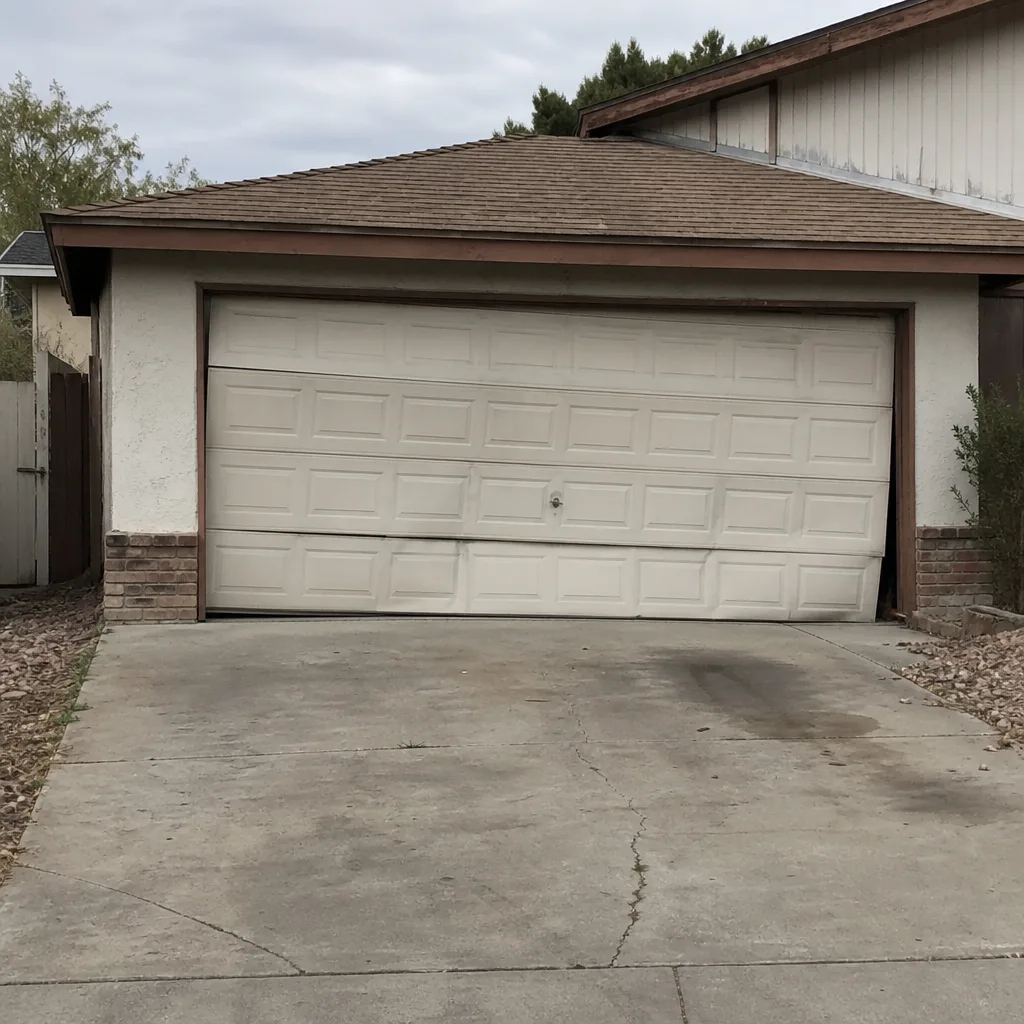 Before
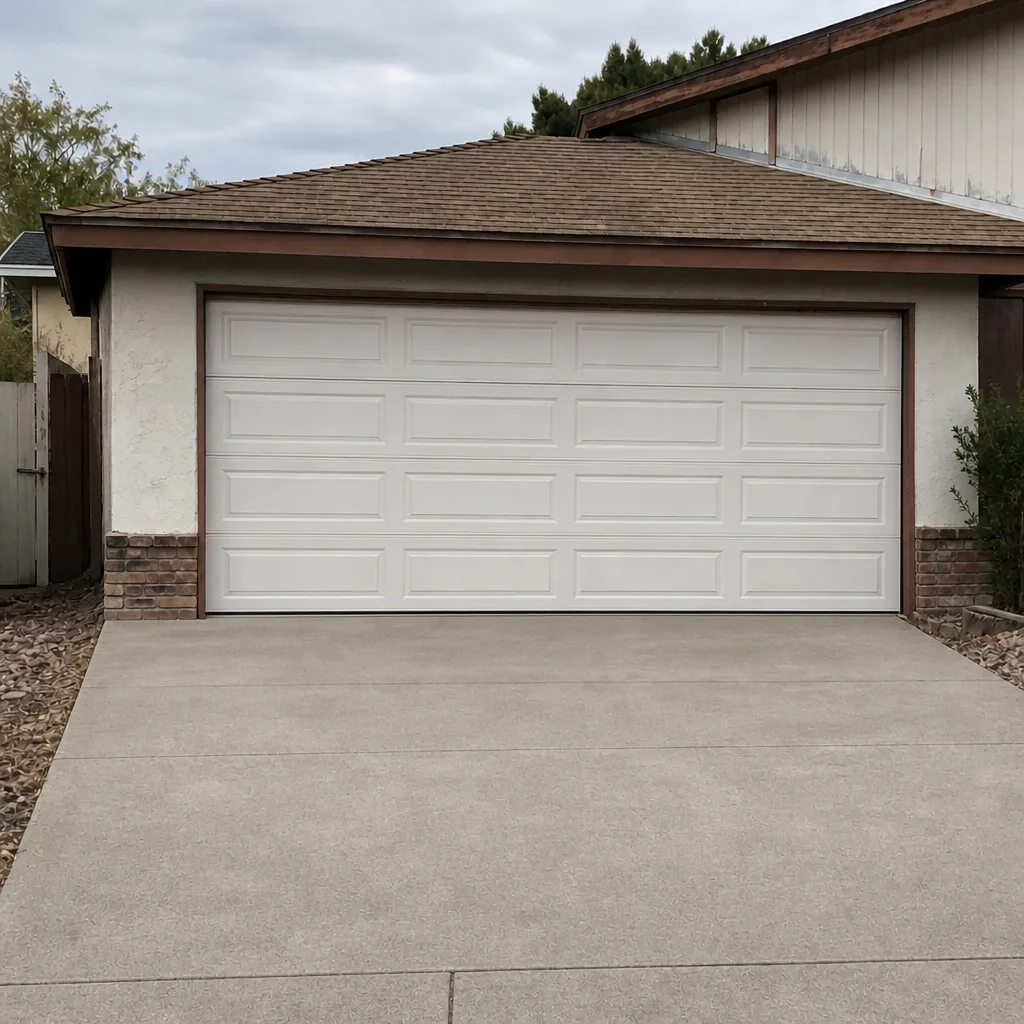 After
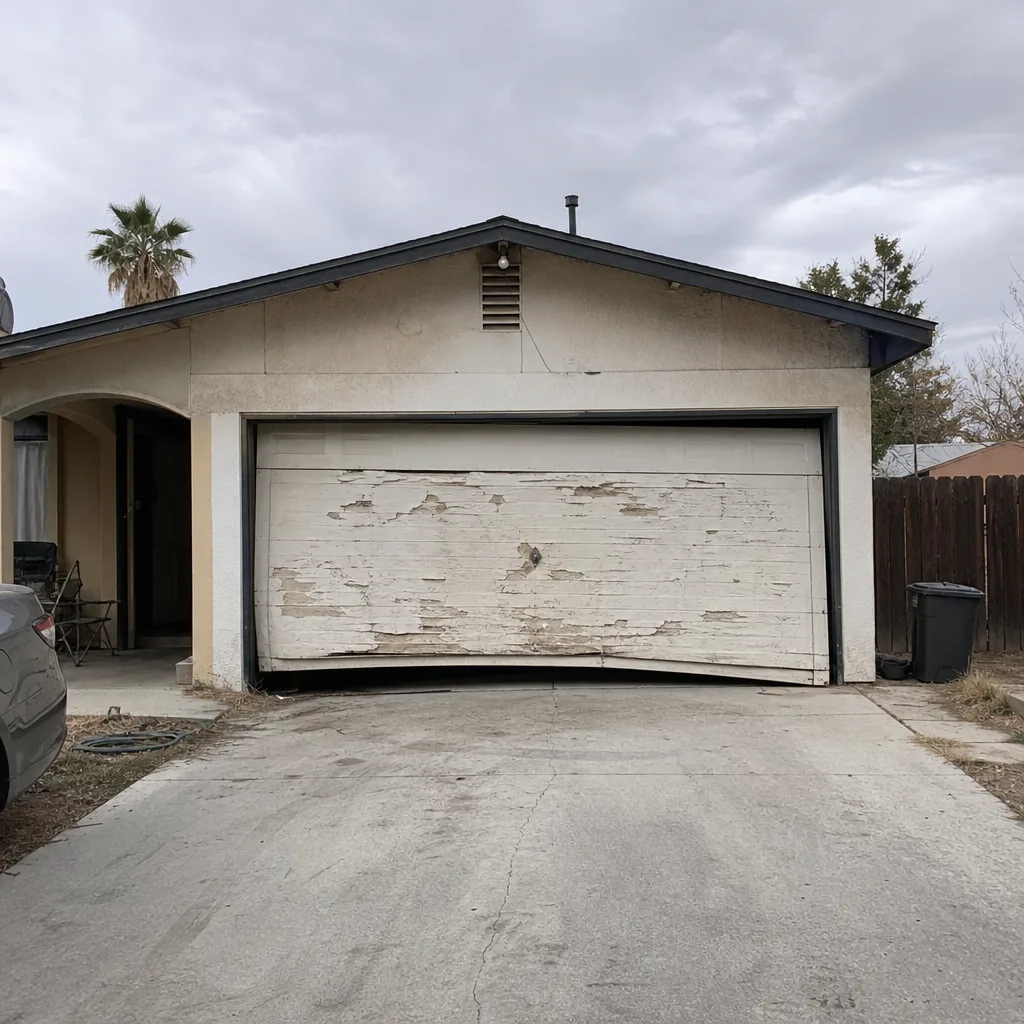 Before
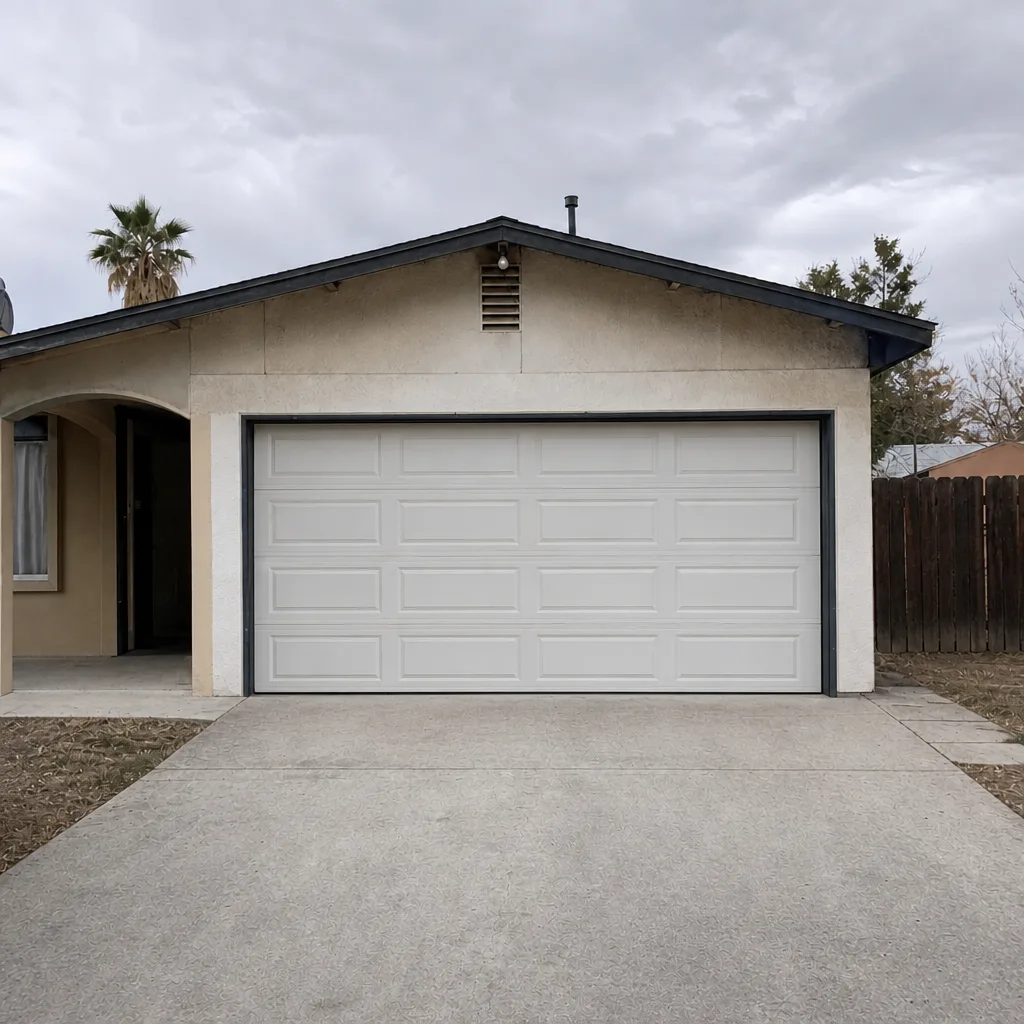 After
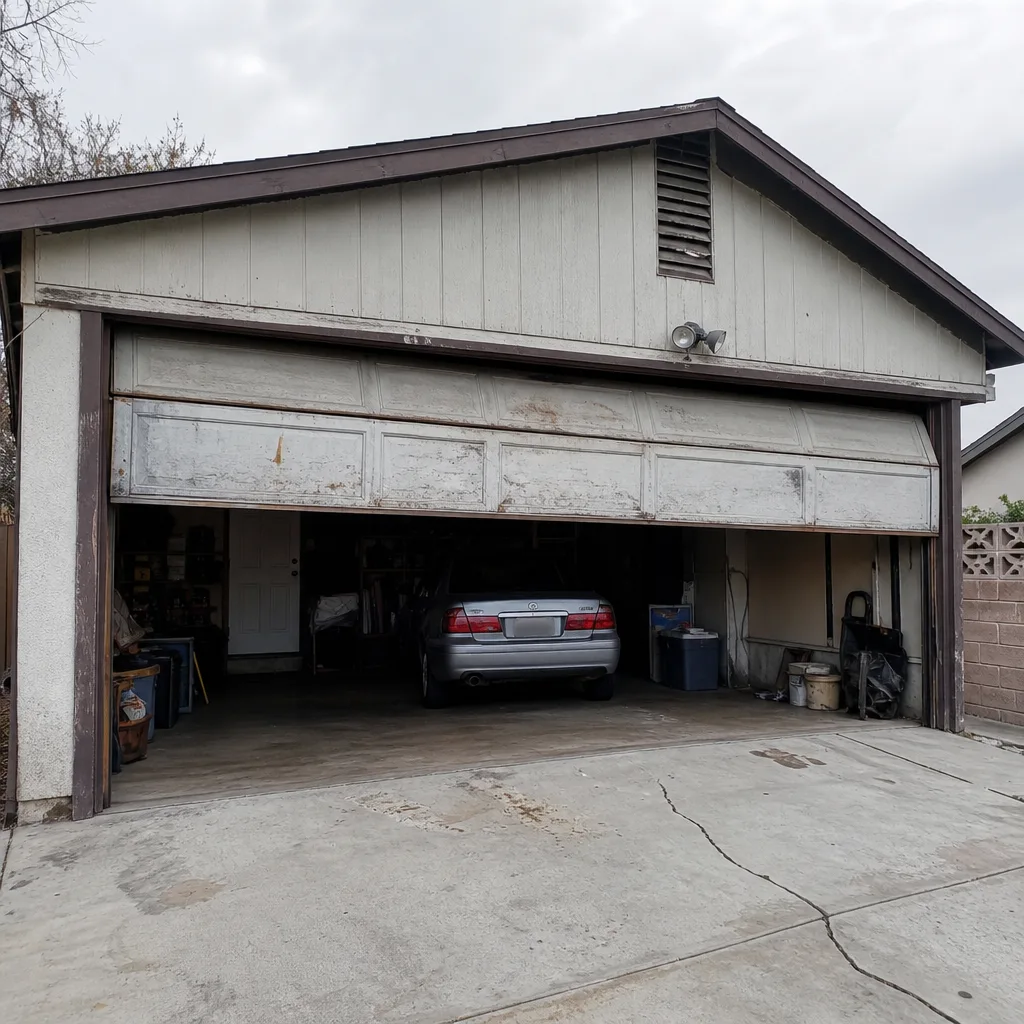 Before
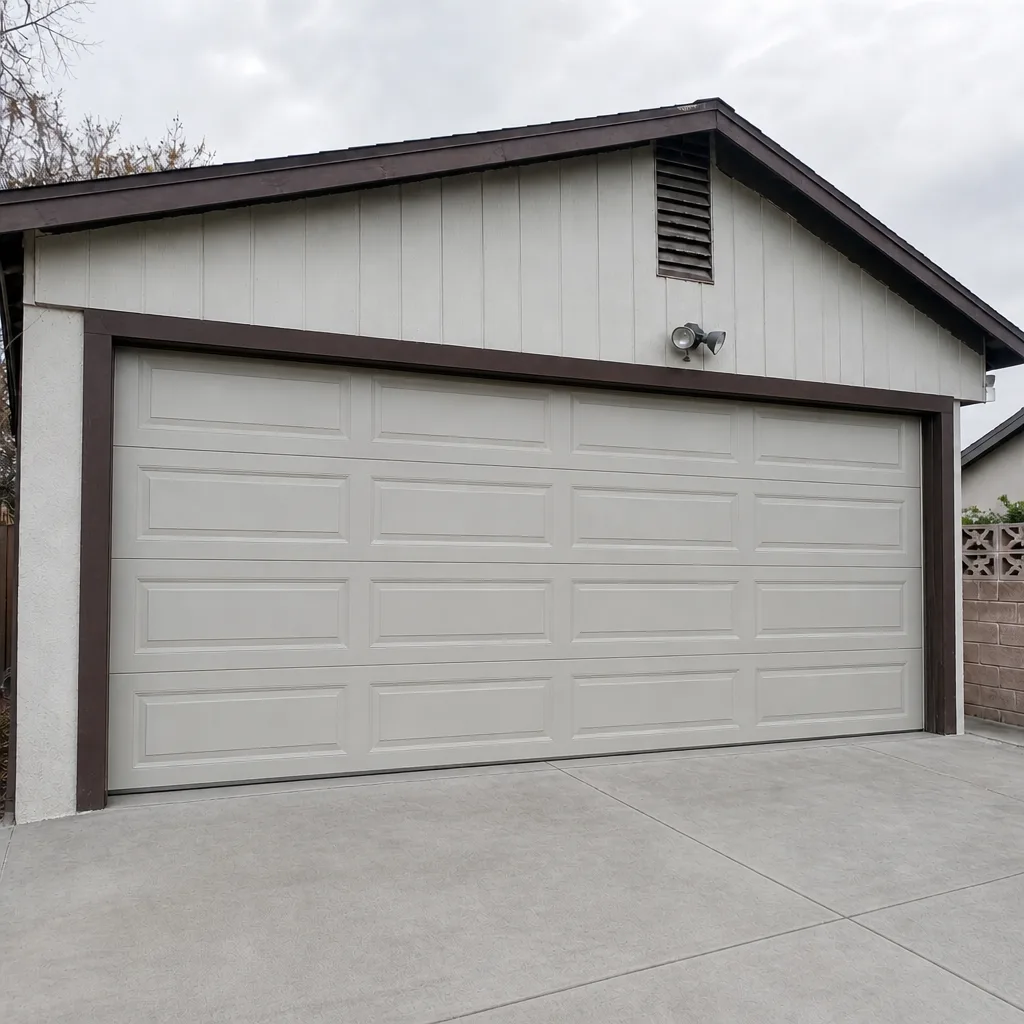 After
When to Call a Professional
Some checks belong in your hands: lubrication, visual spring inspection, bottom seal light tests, and safety sensor checks. Some belong in a trained technician’s hands, no matter how handy you are around the house. Call a professional if you see a gap in a spring, a frayed or slack cable, a door that won’t stay in place when you lift it by hand, a track that’s bent or pulling away from the wall, or an opener that grinds, surges, or fails the auto-reverse test. A door that comes down unevenly, or a cable that’s jumped its drum, is a stop-use condition. Don’t run the door until someone who knows the system has looked at it. Spring and cable repairs carry real injury risk, and a trained hand is the right call.
If your door is in Sunrise Manor and any of those signs are showing, Olympus Garage Door Service offers free estimates. Call (877) 359-8085. We answer 24/7. Fast dispatch from 7am to 7pm, Sunday through Friday.
Frequently Asked Questions
Once a year for a professional tune-up, with monthly visual checks of the springs, cables, and bottom seal during the hot months. The heat in Sunrise Manor accelerates wear, so the intervals are tighter than the national averages printed in most owner manuals. A tune-up in early spring, before the summer heat peaks, catches small problems before they turn into spring or cable failures.
Use a high-temperature lithium grease or moly grease on the spring, hinges, and roller stems. Standard silicone sprays break down above 120°F and leave a tacky residue that attracts caliche dust, which grinds into the moving parts. Save the silicone spray for the rubber weather seal only, and keep the tracks dry and clean.
You can do a visual check with a bright LED flashlight, looking for broken strands where the cable winds onto the drum and along the full length of the cable. Never touch a cable under tension or try to adjust one – a snapped cable releases stored spring energy and can cause serious injury. If you see fraying, stop using the door and call a trained technician.
Heat expands the metal components and thins the lubricant, so the door and opener run louder when the garage is hot. It’s often a sign the lubricant needs refreshing or the rollers are drying out. If the noise is a grind or a rattle rather than a hum, it can also mean opener wear. Call (877) 359-8085 for a free estimate and we’ll tell you what’s causing it.
Usually every two to three years, and sooner if it hardens or cracks. The desert heat hardens bottom seals faster than a cooler climate, and a worn seal lets caliche dust into the garage where it damages the tracks and rollers. Do the light test from outside at night to see if yours is sealing. Call (877) 359-8085 for a free estimate on a replacement.
We work on LiftMaster, Chamberlain, Genie, Clopay, Amarr, Wayne Dalton, Craftsman, and Raynor, and we service the door, the opener, and new installation under one call. Garage doors are all we do, so we can diagnose any residential system you own without guesswork or a push to switch brands. Call (877) 359-8085 for a free estimate.
The Bottom Line
A garage door maintenance checklist for Sunrise Manor has to be built around heat, not a national average. Springs, cables, and rollers fail first here because the daily temperature swing moves the metal harder than the cycle rating anticipates. Keep the tracks dry, put a high-temp lubricant on the moving parts, test your bottom seal for dust intrusion with a light at night, and check your cables with a bright flashlight before they fray. Do the visual checks monthly in summer and get a professional tune-up once a year. If anything looks wrong with a spring or a cable, stop using the door and call a specialist. Our team at Sunrise Manor is here when you need a trained hand on the door.
Call (877) 359-8085 for a free estimate. We answer 24/7. Fast dispatch from 7am to 7pm, Sunday through Friday.
Written by the team at Olympus Garage Door Service, serving Sunrise Manor since 2013.